
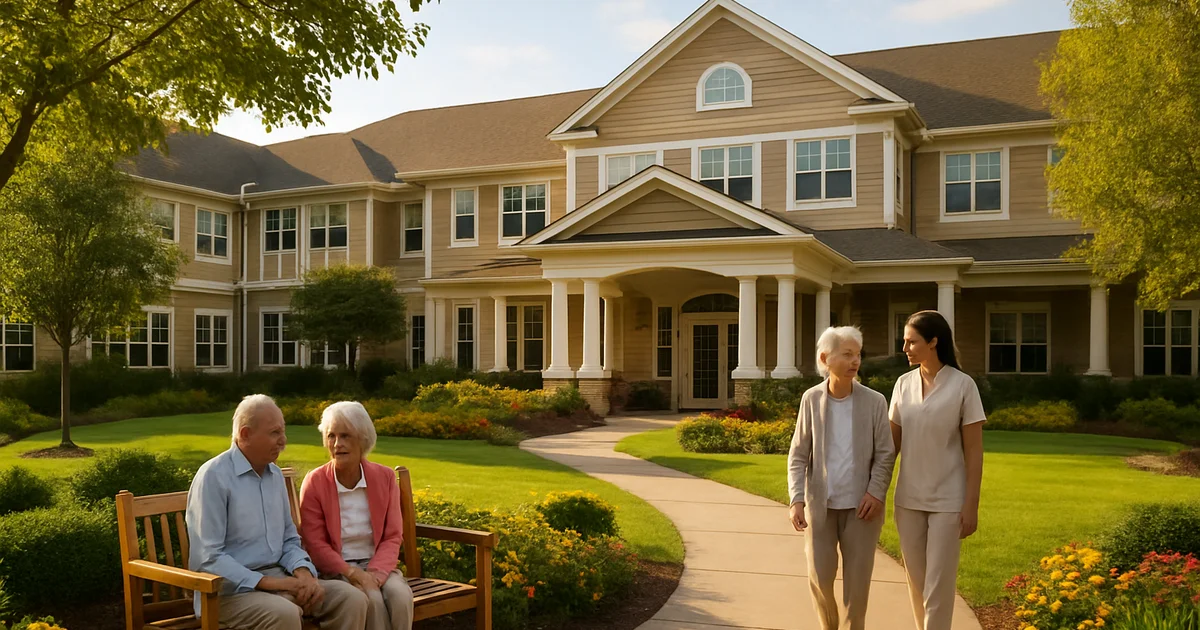
Choosing the right assisted living community can feel overwhelming, especially with so many changes shaping the industry in 2026. From new technology that improves care to more affordable housing options, the landscape is evolving to meet the needs of today’s seniors and their families.
This article highlights key trends, including budget-friendly options for middle-income seniors, smart technology for safer and more independent living, and wellness programs tailored to individual needs. You’ll also learn how sustainable designs and updated regulations are influencing senior living communities across the U.S.
Let’s break down what these changes mean and how they can help you or your loved one find the right fit with confidence.
Growing Middle-Market and Budget-Friendly Options
The financial realities many older adults face are reshaping the senior living industry, pushing it toward more affordable, middle-market options. Millions of seniors fall into the "forgotten middle", earning too much to qualify for subsidized housing but not enough to afford high-end communities. In response, providers are stepping up with solutions to close this gap. The statistics paint a sobering picture. Baby boomers have a median retirement savings of just $202,000, and over 40% of adults aged 55 to 64 have no retirement savings at all. With such limited financial resources, the demand for affordable senior living options that still provide quality care is only growing. Below are some examples of how operators are tackling these challenges head-on.Budget-Friendly Housing Models
Senior living providers are rethinking their offerings, focusing on essential services over luxury amenities and introducing flexible pricing structures. These models allow residents to only pay for the services they actually need, keeping costs manageable.- Truewood by Merrill Gardens, based in Seattle, has introduced a middle-market division with monthly costs capped at $3,500. They’ve managed to cut labor costs by 30% through cross-training staff and streamlining food services.
- Innovation Senior Living in Winter Park, Florida, focuses on purchasing properties for less than $80,000 per unit and offers shared accommodations to serve lower-middle-income seniors. They collaborate with home health aides, hospice care providers, and therapists to deliver necessary services without increasing payroll expenses.
- Presbyterian Homes & Services in St. Paul, Minnesota, ties rent increases to the Consumer Price Index instead of market rates, keeping housing affordable. They also use a hub-and-spoke model to centralize services and leverage cost efficiencies across their communities.
- The Jewish Home in Rochester, New York, has begun construction on a 90-unit apartment building designed for seniors seeking moderately priced housing, showing how new developments can directly address middle-market needs.
Financial Pressures Driving Change
The shifting demographics of aging Americans underscore the urgency for affordable senior living. By 2033, the U.S. will have 16 million "forgotten middle" seniors aged 75 and older, accounting for 44% of older adult households. These households typically have annual incomes and assets ranging from $24,726 to $74,298, allowing them to afford monthly rents of $2,500 to $4,500 - far below the $5,000 to $15,000 charged by many traditional senior living communities. To meet this demand, operators are turning to innovative financing strategies. Public-private partnerships, grants, tax credits, and tax-exempt bonds are helping to offset development costs. Lisa McCracken, head of research and analytics at the National Investment Center for Seniors Housing & Care, explains:"They've gotten grants, upfront capital, tax credits, or tax-exempt bonds to help offset costs. We think there are opportunities for public/private partnerships because developers with private capital would come to the table for LIHTC [Low-Income Housing Tax Credit] deals. But these need to reach the lower-to-middle-income seniors, not just affordable housing levels. This would be like workforce housing incentives, except at the senior housing level."Operators are also focusing on regional density and renovating existing properties to manage costs while addressing the projected 550,000-unit shortfall in senior living by 2030. This shortfall represents a $275 billion investment gap that could balloon to $1 trillion by 2040. The shift toward middle-market housing isn’t just a smart business move - it’s a necessary response to the needs of a growing population. As Jon Fletcher, CEO of Presbyterian Homes & Services, puts it:
"Middle-market senior housing faces financing challenges due to high equity requirements, limited subsidies, and rising construction and interest costs."Despite these hurdles, operators embracing the middle market are finding ways to create more sustainable business models. By focusing on cost-efficient operations, moderate rent increases, and strategic partnerships, they’re making quality senior living accessible to a broader audience. This focus on affordability aligns with broader trends in technology and wellness that are reshaping the industry.
Technology Integration and Smart Living Solutions
The wave of digital advancements reshaping assisted living facilities is revolutionizing how seniors experience care and daily life. Across the country, communities are embracing smart technologies to improve safety, foster independence, and enhance quality of life - all while optimizing operations. Seniors and their families now look for tech-enabled care that prioritizes both security and autonomy. These innovations are redefining daily routines and operational standards in senior living communities.Smart Home Applications
Voice-activated assistants are making life easier for seniors by helping with tasks like setting medication reminders, making hands-free calls, and adjusting room settings. These tools promote independence while addressing physical limitations. Smart security systems are taking safety to the next level. Features like remotely monitored smart locks, motion-sensor cameras in common areas, and emergency alert systems ensure caregivers are instantly notified when a resident needs help. Medication management has seen significant progress thanks to smart pill dispensers. These devices automatically dispense the correct dose at scheduled times and send alerts to residents and staff if a dose is missed. This technology not only reduces medication errors but also helps seniors maintain control over their health routines. Health monitoring devices have become more advanced, with wearables tracking vital signs, sleep patterns, and activity levels. These devices send real-time data directly to healthcare providers. Additionally, fall detection systems now automatically alert staff when a resident falls or exhibits unusual movement, enabling quicker and more proactive care. Together, these smart applications are reshaping how seniors maintain their independence while improving overall community management.Daily Operations and Resident Experience
Companies like ECP are leading the charge in digital integration for senior living. Last year, their platform has supported over 8,000 communities nationwide, offering tools like electronic health records (EHR), electronic medication administration records (eMAR), billing systems, and customer relationship management. These unified systems simplify complex workflows and reduce the administrative load on staff. Digital tools also play a pivotal role in combating social isolation and improving care delivery. Platforms for telehealth and video calling help residents stay connected to family and healthcare providers, making care more accessible and personalized."Technology is transforming how seniors experience daily life by enhancing communication, safety, and health monitoring. Integrating tech tools can boost independence and well-being in situations where someone requires full-time or partial care assistance." – Quality Life ServicesSmart building technologies are creating more comfortable and efficient living environments. Automated climate control systems adapt to residents' temperature preferences, while smart lighting systems adjust brightness to improve safety and support better sleep patterns. In dining, technology is making meal experiences more personalized and efficient. Digital menu systems allow residents to customize meals based on dietary needs, and tablet-based ordering systems let them request meals directly from their apartments, streamlining kitchen operations.
"The future of senior assisted living will be defined by personalization, security, and automation. Technology is no longer optional. Communities that invest in both resident-facing tools and operational systems are better positioned to adapt, grow, and exceed the expectations of today's families seeking higher-quality care." – imageOneFor operators, integrating multiple tech solutions into a single platform is becoming essential. This approach minimizes training challenges and compatibility issues, allowing communities to manage everything from resident engagement to clinical documentation seamlessly. Comprehensive systems like these improve operational efficiency and elevate care quality. Digital tools also empower staff by simplifying documentation, providing instant access to resident information, and improving interdepartmental communication. These advancements not only enhance efficiency but also help reduce stress and burnout among caregivers, creating a better environment for both staff and residents. This focus on personalized wellness programs is shaping the future of modern senior living.
Customized Wellness and Lifestyle Programs
Wellness programs have become a cornerstone of care in assisted living communities, moving beyond one-size-fits-all activities to focus on personalized plans that cater to each resident's physical, mental, and social needs. These tailored programs align naturally with the technological advancements previously discussed, creating a more enriching experience for residents. Rather than relying on generic options, communities now work closely with residents during move-in to develop individualized care plans. These plans are built around personal wellness goals, preferences, and lifestyle interests, reflecting a shift toward addressing physical, mental, and emotional well-being as interconnected priorities."Wellness in senior living has shifted from programmatic offerings to an essential component of senior living design. This shift reflects a growing recognition of the importance of holistic well-being, encompassing physical, mental, and emotional health." - LCSA great example of this approach is Fleet Landing, where new residents collaborate with staff to identify programs that align with their life goals. They focus on six key dimensions of wellness: physical, emotional, spiritual, social, vocational, and intellectual. This results in a variety of resident-driven programs, including fitness classes tailored to individual needs. Additionally, communities are leveraging AI and real-time data to customize nutrition, therapy, and fitness plans. This technology enables programs to adapt dynamically as residents' needs evolve. The impact is clear - over 75% of residents report greater satisfaction and an improved quality of life, with participation in wellness programs linked to nearly two extra years of life expectancy.
Supporting Solo Agers
In the United States, there are approximately 22.1 million solo agers - older adults who live alone, are childless, and lack immediate family support. This group makes up 28% of the senior population. According to the Mather Institute, 42% of solo agers report dissatisfaction with their lives and experience poorer mental health compared to those with family support systems. To address these challenges, assisted living communities are creating programs specifically tailored for solo agers. These initiatives aim to combat isolation through organized activities, shared meals, and opportunities to build meaningful friendships. Structured peer support networks further help solo agers feel connected and supported. Beyond social engagement, communities are expanding services to include financial planning, volunteer matching, continuing-care-at-home memberships, and support networks. Some have even developed campuses exclusively for solo agers, offering services designed to meet their unique needs. These efforts have significantly improved the quality of life for solo agers, fostering a sense of belonging and security.Improved Quality of Life
The move toward personalized wellness plans is yielding measurable benefits. For instance, nearly 48% of residents in continuing care retirement communities cite wellness programs as a key factor in choosing their community, while over 40% of older adults prioritize wellness offerings when selecting senior living options. These programs address multiple aspects of well-being:- Physical wellness: Fitness plans are customized to accommodate health concerns, mobility levels, and personal preferences. Options like chair exercises, gentle yoga, tai chi, and walking groups ensure accessibility for all residents.
- Mental and cognitive health: Educational workshops, brain-training activities, and creative classes help maintain mental sharpness. Communities also emphasize the connection between physical health and mental well-being, recognizing that regular exercise and proper nutrition can significantly boost cognitive function.
- Social engagement: Shared activities and interest-based groups encourage connection among residents. Many communities actively seek feedback to refine their offerings and even introduce reward systems to recognize participation.
"Maintaining mental health is just as vital as physical well-being, especially for seniors. A strong mind-body connection plays a crucial role in aging gracefully, with physical fitness and a healthy diet being among the most effective ways to improve mental health conditions, cognitive function, and overall well-being in older adults." - Cory Czepa, AuthorThe financial advantages are equally noteworthy. Seniors who participate in wellness programs tend to spend less on healthcare, with fewer emergency room visits and hospital admissions. This not only enhances quality of life but also aligns with the broader goal of providing affordable, technology-driven care solutions.
"Seniors are living longer, fuller lives, and they want a retirement community that can support their health goals by offering wellness programs and services. This means more than just physical health but also mental health." - Baptist Retirement CommunityCommunities are also creating environments that feel like home, offering personalized décor and flexible activity schedules. By recognizing that wellness extends beyond structured programs, they aim to support independence while fostering meaningful connections and a sense of belonging for all residents.
Green and Earth-Friendly Facility Design
Incorporating eco-friendly design into assisted living facilities is no longer just an option - it’s becoming a cornerstone of creating better living environments for seniors. By embracing sustainable building practices, these communities not only address environmental concerns but also improve daily life for residents while cutting operational costs. This shift reflects a growing recognition of how green initiatives can make a tangible difference in both quality of life and efficiency. Senior living communities generate significant amounts of waste and consume substantial resources daily, making sustainability a pressing priority. By adopting smarter, greener practices, operators are finding ways to reduce their environmental footprint while enhancing the experience of those who call these facilities home. Below, we’ll explore some of the key sustainable strategies being implemented and the benefits they bring.Green Building Practices
Many assisted living communities are taking sustainability to the next level, moving beyond simple recycling programs to focus on energy efficiency, water conservation, and waste reduction. Energy efficiency is a major focus. Facilities are installing LED lighting, programmable thermostats, and high-efficiency appliances. Some, like Aegis Living Lake Union, have gone even further, meeting 105% of their energy needs with solar power. By using features like triple-pane windows and energy-efficient appliances, they save thousands annually - $1,530 in this case. Water conservation is equally important. Using low-flow fixtures and toilets can cut water use by as much as 50%, saving over 13,000 gallons per year for every four residents. For example, The Atrium at Navesink Harbor in New Jersey has implemented an impressive system that includes geothermal heating and cooling, on-site wastewater treatment, and robust recycling and composting programs, saving over $100,000 annually in combined utility costs. Waste reduction is another area where facilities are making strides. Juniper Communities has managed to cut 80% of its total waste companywide through organized recycling, composting, and education for residents."At Juniper, it's part of our culture. It's just part of what we do." – Lynne Katzmann, CEO of Juniper CommunitiesMany communities are also pursuing LEED certification, a widely recognized standard for sustainable design. For instance, Hankin Group’s Meridian at Eagleview earned LEED Gold certification by incorporating energy-efficient lighting, Low‑E glass windows, ENERGY STAR appliances, and eco-friendly carpeting. In addition to these measures, integrating green spaces and community gardens has become a priority. Wake Robin in Vermont, for example, operates a 5-acre solar array that provides 25% of its electricity while maintaining natural trails and open spaces. These features encourage physical activity, foster community connections, and contribute to overall well-being - all while reducing costs and environmental impact.
Health and Cost Benefits
The advantages of green design go beyond environmental considerations - they also deliver measurable health and financial benefits. Studies show that people living in green-certified buildings experience 4% better cognitive function, 4% improved sleep, and 30% fewer health symptoms overall. For seniors, better air quality - achieved through non-toxic cleaning products and sustainable materials - can be especially impactful, reducing sensitivities to harmful chemicals. From a financial perspective, green initiatives often pay off quickly. Many communities report a return on investment of 25% to 40%, thanks to lower utility bills, reduced maintenance expenses, and improved resident satisfaction."We always consider lifecycle cost. It's not just about what it costs today - but what it saves tomorrow." – Michael Rheinlander, Founder of Rheinlander ArchitectsPassive design elements, such as natural lighting, advanced insulation, and strategic building orientation, can reduce heating energy consumption by up to 88% compared to traditional designs. Hilltop Reserve in Denver, Colorado, is a shining example. This 324,559-square-foot facility achieved LEED Gold certification in 2022, saving money during construction by using recycled and locally sourced materials. Its rooftop solar panels now generate enough electricity to power 60 single-family homes annually. Facilities are also finding that engaging residents in green initiatives - like community gardens and composting programs - enhances their overall well-being. These activities not only support sustainability goals but also provide opportunities for exercise, social interaction, and a renewed sense of purpose. Finally, location plays a crucial role. Communities situated in walkable neighborhoods reduce the need for cars, encourage physical activity, and align with the goal of aging in place, all while minimizing their environmental impact.
sbb-itb-657e8c4
Regulatory, Population, and Market Changes
The assisted living industry is undergoing a wave of transformations, driven by shifts in regulations, evolving demographics, and changing market conditions. These factors are reshaping how facilities operate and the services they offer, making it essential for families and providers to stay informed.Regulatory Changes
New rules and policies are set to redefine assisted living operations over the next few years. The Older Americans Act (OAA) reauthorization, passed in early 2024, is a key driver of change. With full compliance required by October 2025, this legislation emphasizes healthy aging, financial security, and improved senior center services. As a result, facilities are being encouraged to expand wellness programs and build stronger ties with their communities. California is leading the charge with updated Residential Care Facilities for the Elderly (RCFE) regulations, effective January 1, 2025. These new rules focus on dementia care, embedding it into multiple operational areas rather than treating it as an isolated component. To support this transition, the Community Care Licensing Division held informational sessions in December 2024, highlighting the importance of person-centered care. By July 1, 2025, The Joint Commission's emergency management rules will require assisted living communities to have robust plans in place for natural disasters, power outages, and public health emergencies. Meanwhile, potential Medicaid reforms under the One Big Beautiful Bill Act (OBBB) could tighten eligibility and reduce services, creating ripple effects across the senior care spectrum. A study by Brown University identified 579 U.S. nursing homes at high risk of closure due to these proposed changes, which could push more families toward assisted living options. Additionally, the OBBB delays the implementation of minimum staffing standards for long-term care facilities until 2034, giving facilities more time to address workforce shortages but extending regulatory uncertainty. On a broader scale, 15 states updated their assisted living regulations between July 2023 and July 2024, reflecting a growing focus on oversight. As Katie Smith Sloan, President and CEO of LeadingAge, explains:"State regulations allow for a more tailored approach that reflects the unique needs of each community."These regulatory updates, combined with demographic shifts, are reshaping the assisted living landscape.