
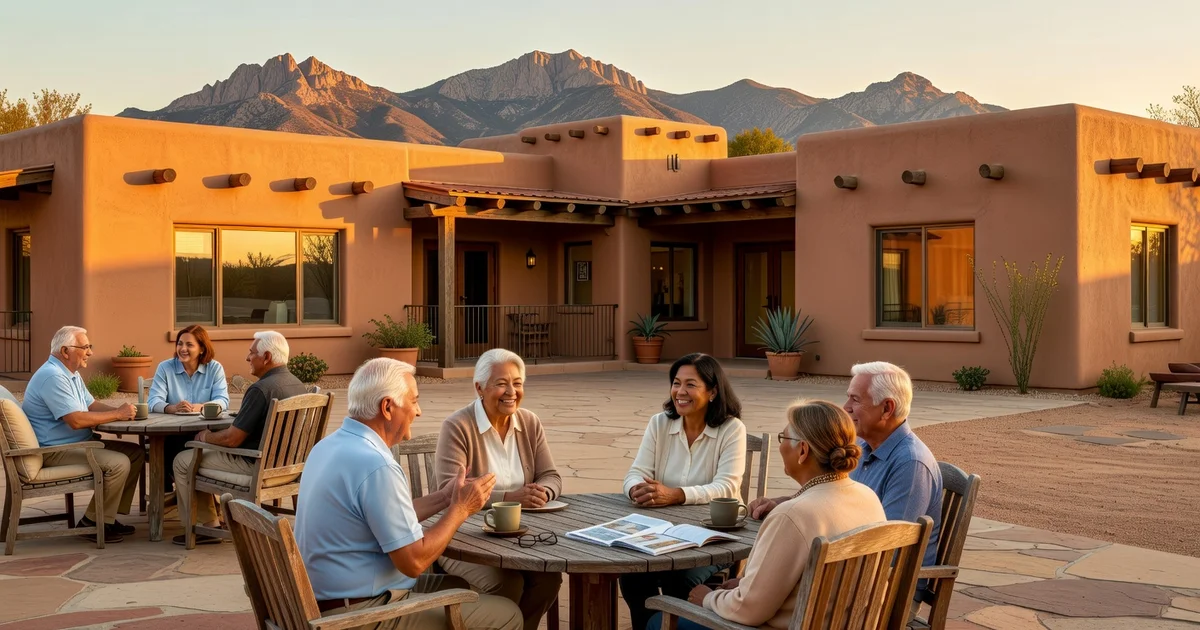
Finding the best continuing care (CCRC) in Albuquerque, NM requires understanding both the local senior living landscape and your family's long-term care needs. With over 96,492 residents aged 65 and older - representing 17.2% of Albuquerque's population - the demand for comprehensive retirement communities that offer independent living, assisted living, and skilled nursing care under one roof continues to grow in New Mexico's largest city.
Albuquerque's unique combination of high-altitude climate, world-class healthcare facilities including Presbyterian Healthcare Services and UNM Hospital, and lower-than-average cost of living makes it an attractive location for continuing care retirement communities. The city's median household income of $65,604 supports a range of CCRC options, from value-focused communities to premium lifestyle campuses. This guide explores the continuing care options available in Albuquerque, helping families understand what to expect when choosing a CCRC that provides lifelong care in one location.
Whether you're planning ahead for independent retirement living or need immediate access to higher levels of care, understanding the CCRC model and Albuquerque's specific offerings will help you make an informed decision for yourself or a loved one.
La Vida Llena
One of Albuquerque's most established CCRCs offering a full continuum of care on a spacious campus in the Northeast Heights.
La Vida Llena stands as one of Albuquerque's premier continuing care retirement communities, located in the desirable Northeast Heights neighborhood near Paseo del Norte. This well-established CCRC offers independent living cottages and apartments, assisted living, memory care, and skilled nursing care all on one beautifully landscaped campus with mountain views.
The community features resort-style amenities including multiple dining venues, a fitness center, indoor pool, woodworking shop, art studio, and library. Residents appreciate the proximity to Presbyterian Rust Medical Center and easy access to shopping at Coronado Center. The CCRC model allows residents to age in place, transitioning between care levels as needs change while remaining in the same community. Contact the community directly for current entrance fees and monthly service packages, as CCRC pricing typically involves both an upfront entrance fee and monthly fees that vary based on the living arrangement and care level selected.
The Sandia Ridge Center
Faith-based CCRC offering comprehensive care levels with strong community programming and Sandia Mountain views.
The Sandia Ridge Center provides a faith-based continuing care retirement community experience in Northeast Albuquerque, serving seniors with a range of care needs from independent living through skilled nursing. This CCRC emphasizes community connection and spiritual wellness alongside quality healthcare services.
Located near major medical facilities and shopping centers, The Sandia Ridge Center offers independent living apartments, assisted living suites, and a skilled nursing center. Amenities include chef-prepared dining, a wellness center, beauty salon, chapel, and organized activities that foster social engagement. The community's location provides convenient access to Presbyterian Kaseman Hospital and is situated in a quiet residential area with stunning views of the Sandia Mountains. The CCRC contract structure ensures residents can transition between care levels as needed without leaving the community. Prospective residents should inquire about entrance fee options and monthly service fees during a personal tour.
Bear Canyon Senior Living
Upscale continuing care community in the desirable Far Northeast Heights with extensive amenities and care options.
Bear Canyon Senior Living represents a newer approach to continuing care in Albuquerque, offering independent living, assisted living, and memory care in the rapidly growing Far Northeast Heights area. While not a traditional CCRC with skilled nursing on-site, this community provides a continuum of residential care services with care transition options.
The community features spacious apartments and cottages with modern finishes, multiple dining venues including bistro-style and fine dining options, a state-of-the-art fitness center, indoor pool, theater, and beautifully landscaped walking paths. Located near the foothills of the Sandia Mountains, residents enjoy easy access to hiking trails, shopping at ABQ Uptown, and medical facilities. The community's focus on active senior living combined with available assisted living and memory care services makes it an attractive option for those planning ahead. Pricing varies based on apartment size and care level, with monthly rates that are competitive with Albuquerque's average assisted living cost of approximately $5,310 per month for higher care levels.
Palmilla Senior Living
Westside continuing care option offering independent and assisted living with New Mexico-inspired design and programming.
Palmilla Senior Living brings continuing care options to Albuquerque's growing Westside, providing independent living and assisted living in a community designed to reflect New Mexico's rich cultural heritage. The community's architecture and programming incorporate Southwestern elements that resonate with longtime Albuquerque residents and newcomers alike.
Residents at Palmilla enjoy chef-prepared meals featuring regional cuisine, a fitness and wellness center, library, activity rooms, and outdoor courtyards designed for year-round enjoyment of Albuquerque's 310 days of sunshine. The Westside location offers proximity to Cibola Medical Center, easy access to Paseo del Volcan for shopping and dining, and less traffic congestion than the more developed Northeast Heights. While the community primarily focuses on independent and assisted living, care coordination services help residents plan for future needs. Monthly rates reflect Albuquerque's competitive senior living market, with independent living typically starting lower than assisted living services that average around $5,310 monthly in the area.
Desert Springs Senior Living
Mid-size community offering independent and assisted living with personalized care plans and strong healthcare partnerships.
Desert Springs Senior Living provides a more intimate continuing care environment in central Albuquerque, specializing in independent living and assisted living services with a focus on individualized care planning. The community's smaller size allows for more personalized attention and a close-knit residential atmosphere.
Located near Presbyterian Hospital and the UNM campus area, Desert Springs offers convenient access to Albuquerque's major medical facilities and cultural attractions. The community features restaurant-style dining, a wellness center with physical therapy services, library, game room, and secured outdoor spaces. Care services are customized to each resident's needs, with staff trained in managing chronic conditions common among seniors. While not a traditional CCRC with all levels of care on one campus, Desert Springs maintains relationships with nearby skilled nursing facilities to ensure care continuity if higher-level medical care becomes necessary. Pricing is competitive with Albuquerque's market rates, and the community accepts long-term care insurance for qualified services.
How to Choose
How to Choose the Best Continuing Care (CCRC) in Albuquerque, NM
Selecting a continuing care retirement community in Albuquerque requires careful consideration of several factors that will impact your quality of life for years to come. Unlike traditional senior living options, CCRCs offer a unique value proposition: the ability to age in place with access to increasing levels of care without relocating to a new community.
Understanding CCRC Contract Types and Financial Considerations
CCRCs typically offer three contract types: life care contracts (all-inclusive with little cost change as care needs increase), modified contracts (moderate entrance fee with increasing monthly costs as care levels rise), and fee-for-service contracts (lower entrance fee but pay market rates for each care level). In Albuquerque, where the median household income is $65,604, understanding these financial structures is critical. Request detailed fee schedules showing entrance fees, monthly service fees, and potential costs as you transition from independent living to assisted living or skilled nursing care. Most Albuquerque CCRCs require entrance fees ranging from $100,000 to $500,000 or more, plus monthly fees between $2,000 and $6,000 depending on apartment size and services.
Evaluating Location and Healthcare Access
Albuquerque's geography significantly impacts CCRC selection. Communities in the Northeast Heights (near Paseo del Norte and Tramway) offer mountain views and proximity to Presbyterian Rust Medical Center, while Westside communities provide newer facilities and access to Cibola Medical Center. Consider proximity to your current physician, specialists you see regularly, and family members who will visit. Albuquerque's high altitude (5,312 feet) and dry climate benefit many seniors with arthritis but may require adjustment for those with certain heart or respiratory conditions - discuss this with your physician before committing to a CCRC here.
Assessing Care Quality and Licensing
New Mexico requires CCRCs to be licensed and regularly inspected. During tours, ask about staff-to-resident ratios in each care level, nurse availability (especially important in skilled nursing), and staff training programs. Request to see the community's most recent state inspection report. Visit during meal times and observe resident engagement - active, happy residents often indicate quality care and programming. Ask current residents about their experiences, particularly those who have transitioned between care levels within the community.
Questions to Ask During CCRC Tours
Prepare specific questions: What percentage of the entrance fee is refundable if you leave or pass away? How often have monthly fees increased historically? What triggers a move to a higher care level, and who makes that determination? Are there additional fees for services like physical therapy, specialized memory care, or guest meals? Understanding Albuquerque's senior living market - where assisted living averages $5,310 monthly compared to the national average of $4,995 - helps you evaluate whether a CCRC's pricing represents good value for the comprehensive care security it provides.
Cost Comparison
Cost Comparison: Continuing Care in Albuquerque vs. National Averages
Understanding the cost of continuing care retirement communities in Albuquerque requires comparing both entrance fees and monthly service fees against traditional senior living options and national averages. While CCRCs require significant upfront investment, they can provide financial predictability and value over time as care needs increase.
Albuquerque Senior Living Costs (2026 estimates):
- Assisted Living: $5,310 per month average (approximately 6% higher than the national average of $4,995/month)
- Nursing Home (Semi-Private): $8,349 per month (skilled nursing care)
- CCRC Independent Living: $2,500-$4,500 per month plus entrance fees
- CCRC Assisted Living: $3,500-$6,000 per month (often included or minimally increased with life care contracts)
- CCRC Entrance Fees: $100,000-$500,000+ (varies by contract type, apartment size, and refundability)
Albuquerque's continuing care costs reflect the city's overall affordability compared to major metropolitan areas while remaining slightly above national averages for certain care levels. The key financial advantage of CCRCs lies in their contract structures - life care contracts, while requiring higher entrance fees, protect residents from dramatic cost increases when transitioning from independent living to assisted living or skilled nursing. A senior paying $5,310 monthly for assisted living in a traditional community could face $8,349 monthly if they eventually need skilled nursing, whereas a CCRC life care contract holder might see minimal or no increase.
When evaluating CCRC costs in Albuquerque, consider the total lifetime value. Calculate what you might spend over 10-20 years in traditional senior living settings with increasing care needs versus the predictable costs of a CCRC contract. Factor in Albuquerque's lack of state income tax on Social Security benefits and relatively low property taxes, which can help stretch retirement income. Many CCRCs also accept long-term care insurance for certain services, potentially offsetting monthly costs. Request a detailed financial projection from each community showing costs over various timeframes and care level scenarios to make an informed comparison.
Frequently Asked Questions
What is the difference between a CCRC and regular assisted living in Albuquerque?
Are CCRC entrance fees in Albuquerque refundable if I change my mind or pass away?
How does Albuquerque's high altitude affect seniors in continuing care communities?
What happens if I run out of money while living in an Albuquerque CCRC?
Can I keep my current doctors after moving to a CCRC in Albuquerque?
Choosing among the best continuing care (CCRC) options in Albuquerque, NM requires balancing financial considerations, location preferences, care quality, and lifestyle amenities. Albuquerque's growing senior population of over 96,000 residents aged 65+ has access to several quality CCRCs offering the security of lifelong care in one community. Whether you prioritize the established reputation of communities like La Vida Llena, the faith-based environment at The Sandia Ridge Center, or the modern amenities of newer developments in the Northeast Heights or Westside, Albuquerque provides diverse continuing care options.
The CCRC model's greatest value lies in its promise of care continuity - eliminating the stress of future relocations as health needs change while providing financial predictability through various contract structures. With assisted living costs averaging $5,310 monthly and skilled nursing reaching $8,349 in Albuquerque, a well-chosen CCRC contract can offer both peace of mind and long-term financial advantages. Take time to tour multiple communities, review contracts carefully with legal and financial advisors, and talk with current residents about their experiences. Ultimate Senior Resource provides comprehensive listings and resources to help your family navigate this important decision and find the continuing care community that best fits your needs and preferences in Albuquerque.