
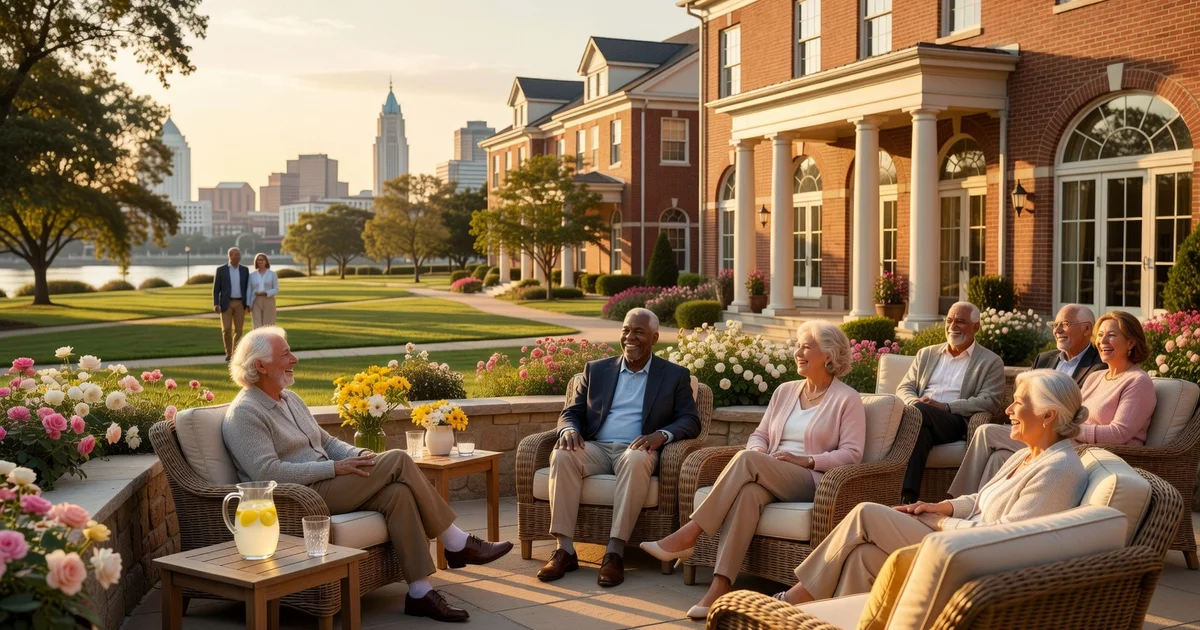
Finding the best continuing care (CCRC) in Cincinnati, OH requires careful consideration of location, services, and long-term value. With a senior population of over 41,000 residents aged 65 and older - representing 13.2% of Cincinnati's total population - the demand for comprehensive retirement communities continues to grow across neighborhoods from Hyde Park to Anderson Township.
Continuing Care Retirement Communities (CCRCs) offer a unique advantage: the ability to age in place while transitioning seamlessly between independent living, assisted living, and skilled nursing care as your needs evolve. In Cincinnati, families benefit from communities situated near world-class healthcare facilities like UC Medical Center and Christ Hospital, while enjoying the city's vibrant cultural scene and four-season climate.
This guide examines the best continuing care (CCRC) options in Cincinnati for 2026, helping you compare care levels, costs, and amenities. Whether you're planning ahead or need immediate placement, understanding your options ensures you make an informed decision for yourself or your loved one.
Marjorie P. Lee Retirement Community
Premier CCRC in Hyde Park offering comprehensive care continuum with resort-style amenities and strong healthcare partnerships.
Located in the desirable Hyde Park neighborhood, Marjorie P. Lee Retirement Community stands as one of Cincinnati's most established continuing care retirement communities. This faith-based community offers a complete care continuum from independent living apartments to skilled nursing care, allowing residents to transition seamlessly as needs change.
The community features elegant apartment homes, fine dining venues, a wellness center with indoor pool, and extensive programming including lectures, concerts, and social activities. Residents benefit from proximity to Hyde Park Square's boutique shopping and dining, as well as quick access to Christ Hospital and UC Health. The community's Life Care contract provides financial predictability and peace of mind for long-term planning. Contact the community directly for current pricing and availability, as costs vary based on apartment size and care level selected.
The Deupree House
Sophisticated CCRC in Hyde Park with innovative wellness programs and strong emphasis on lifelong learning and cultural engagement.
The Deupree House offers an elevated continuing care experience in the heart of Hyde Park, one of Cincinnati's most sought-after neighborhoods. This community emphasizes wellness, intellectual stimulation, and social connection through its comprehensive programming and modern facilities.
Residents enjoy spacious independent living apartments with full kitchens, multiple dining venues featuring chef-prepared meals, and a state-of-the-art fitness center with personalized wellness coaching. The community provides assisted living and memory care services on-site, along with access to skilled nursing care through Episcopal Retirement Services' integrated network. Located within walking distance of Hyde Park Square and minutes from major medical centers, The Deupree House combines urban convenience with a peaceful residential setting. The community offers various contract options to meet different financial planning needs. Contact for detailed pricing information based on your preferred apartment and care package.
Maple Knoll Village
Expansive campus-style CCRC in Springdale offering extensive outdoor spaces, diverse housing options, and comprehensive healthcare services.
Maple Knoll Village provides a distinctive continuing care experience on a spacious 72-acre campus in Springdale, offering residents a peaceful, park-like setting while remaining accessible to Cincinnati's urban amenities. The community features diverse housing options including independent living apartments, cottages, and villas, accommodating various lifestyle preferences.
The campus includes multiple dining venues, a wellness center with therapy pool, woodworking shop, art studio, and beautiful walking trails throughout the grounds. Residents have access to the full continuum of care including assisted living, memory care, short-term rehabilitation, and long-term skilled nursing. The community's location provides easy access to TriHealth Bethesda North Hospital and shopping centers along I-275. Maple Knoll Village offers both Life Care and Fee-for-Service contract options, allowing residents to choose the financial structure that best fits their situation. Contact the community for a personalized cost analysis based on your housing preference and care needs.
Bayley Place
Mission-driven CCRC in Oakley with strong community values, affordable options, and comprehensive healthcare integration.
Bayley Place brings a warm, community-focused approach to continuing care retirement living in the vibrant Oakley neighborhood. Sponsored by the Sisters of Charity, this CCRC emphasizes compassionate care, inclusivity, and service to others while providing modern amenities and comprehensive healthcare services.
The community offers independent living apartments with various floor plans, restaurant-style dining, a fitness center, library, and chapel. Residents enjoy easy access to Oakley Station's shopping and dining district, as well as proximity to major healthcare facilities. Bayley Place provides the complete care continuum including assisted living, memory support, and skilled nursing care, all on one campus. The community's contract structure is designed to provide value and financial transparency. Multiple pricing tiers accommodate different budgets while maintaining quality care standards. Contact Bayley Place for current entrance fee and monthly fee information based on your preferred apartment style.
Mercy Health – Franciscan Place
Healthcare-integrated CCRC in Anderson Township offering direct connection to hospital services and rehabilitation expertise.
Mercy Health – Franciscan Place leverages the strength of the Mercy Health system to provide continuing care retirement living with exceptional healthcare integration. Located in Anderson Township, this community offers residents peace of mind through direct connections to hospital services, specialists, and rehabilitation programs.
Independent living residents enjoy spacious apartments, multiple dining options, fitness facilities, and a robust activities calendar. The community's greatest strength lies in its seamless care transitions - residents can access assisted living, memory care, and skilled nursing services backed by Mercy Health's clinical expertise. The location in Anderson Township provides a quiet, residential atmosphere while remaining close to shopping, restaurants, and medical facilities. Physical therapy, occupational therapy, and speech therapy services are readily available on campus. Franciscan Place offers various contract types to meet different financial planning goals. Contact the community for detailed pricing information and to discuss entrance fee options that align with your retirement planning strategy.
How to Choose
How to Choose the Best Continuing Care (CCRC) in Cincinnati, OH
Selecting a continuing care retirement community represents one of the most significant decisions you'll make for your retirement years. Unlike traditional senior living options, CCRCs require careful evaluation of both immediate needs and long-term care provisions. Here's what Cincinnati families should consider when comparing communities.
Understanding Contract Types and Financial Commitments
CCRCs typically offer three contract types: Life Care (Type A) contracts provide unlimited healthcare services for a fixed monthly fee; Modified (Type B) contracts include a specified amount of healthcare services with additional fees for extended care; and Fee-for-Service (Type C) contracts charge market rates for all healthcare services as needed. Life Care contracts typically require higher entrance fees but offer the most financial predictability, which can be valuable given Cincinnati's assisted living costs averaging $5,192 monthly and nursing home care at approximately $8,164 for semi-private rooms.
Evaluating Location and Accessibility
Cincinnati's diverse neighborhoods offer distinct advantages. Hyde Park and Oakley provide walkable urban amenities and proximity to Christ Hospital and UC Medical Center. Anderson Township offers quieter suburban living with easy highway access. Springdale and northern suburbs provide more spacious campuses with lower costs. Consider proximity to family members, preferred medical providers, and whether you want access to cultural attractions like the Cincinnati Art Museum, Music Hall, or Findlay Market.
Assessing Care Continuum and Healthcare Quality
Tour all levels of care, not just independent living. Ask about staff-to-resident ratios in assisted living and skilled nursing, memory care programming specifics, and rehabilitation services. Verify that the community is licensed for all care levels in Ohio and inquire about partnerships with local hospitals. Request information about how care transitions are managed and whether you can remain on campus throughout all care levels.
Questions to Ask During Tours
Request financial disclosure statements showing the community's fiscal health. Ask about entrance fee refund policies - some communities offer 90% or 50% refundable options. Inquire about monthly fee increase history over the past five years. Understand what services are included versus à la carte. Ask current residents about their experience with care transitions and overall satisfaction. Review the residency agreement with an elder law attorney before signing.
Cost Comparison
Understanding CCRC Costs in Cincinnati
Continuing care retirement communities in Cincinnati typically structure costs differently than traditional senior living options, combining entrance fees with monthly service fees. This financial model requires careful analysis to understand the true long-term value.
Entrance Fees: Cincinnati CCRCs generally charge entrance fees ranging from $100,000 to $500,000 or more, depending on apartment size, location, and contract type. Life Care contracts typically require higher entrance fees but provide greater protection against rising healthcare costs. Some communities offer partial refund options - 50%, 90%, or even 100% refundable to your estate, though these increase the initial entrance fee.
Monthly Service Fees: After paying the entrance fee, residents pay monthly fees that typically range from $2,500 to $6,000 or more for independent living. These fees usually cover dining, housekeeping, maintenance, activities, and varying levels of healthcare depending on your contract type. As you transition to higher care levels, monthly fees increase - though Life Care contracts limit these increases significantly compared to Fee-for-Service arrangements.
Comparison to Other Care Options: Cincinnati's assisted living costs average $5,192 monthly, while nursing home care averages $8,164 for a semi-private room - both comparable to national averages. For seniors who anticipate needing higher levels of care, a CCRC with a Life Care contract can provide substantial savings over time compared to paying market rates for assisted living or nursing care. However, CCRCs require significant upfront capital and work best for those with $300,000 to $1 million in liquid assets.
Financial Planning Considerations: Most CCRCs require financial qualification showing you can afford entrance fees plus at least two years of monthly fees. A portion of entrance fees may be tax-deductible as prepaid medical expenses - consult a tax professional. Long-term care insurance may cover some monthly fees once you require assisted living or skilled nursing care. Compare the total cost of a CCRC over 10-15 years against aging in place with in-home care or moving to assisted living later.
Frequently Asked Questions
What is the difference between a CCRC and regular assisted living in Cincinnati?
How do I know if I can afford a CCRC in Cincinnati?
What happens to my entrance fee if I move out or pass away?
Are CCRCs in Cincinnati required to accept me if I need more care later?
What should I look for when touring CCRCs in Cincinnati?
Choosing the best continuing care (CCRC) in Cincinnati, OH requires balancing financial considerations, location preferences, and long-term care needs. The communities highlighted in this guide represent Cincinnati's leading CCRCs, each offering the security of aging in place with guaranteed access to higher care levels as needs evolve. From Hyde Park's urban sophistication to Anderson Township's peaceful residential setting, Cincinnati's CCRCs provide diverse options for every lifestyle and budget.
Take time to tour multiple communities, compare contract types carefully, and involve family members in the decision-making process. Request financial disclosure statements, speak with current residents, and consult with financial and legal advisors before making this significant commitment. The right CCRC provides not just housing and healthcare, but a vibrant community where you can thrive throughout your retirement years. Explore detailed profiles and contact information for these and other Cincinnati senior living options on Ultimate Senior Resource to begin your search today.