
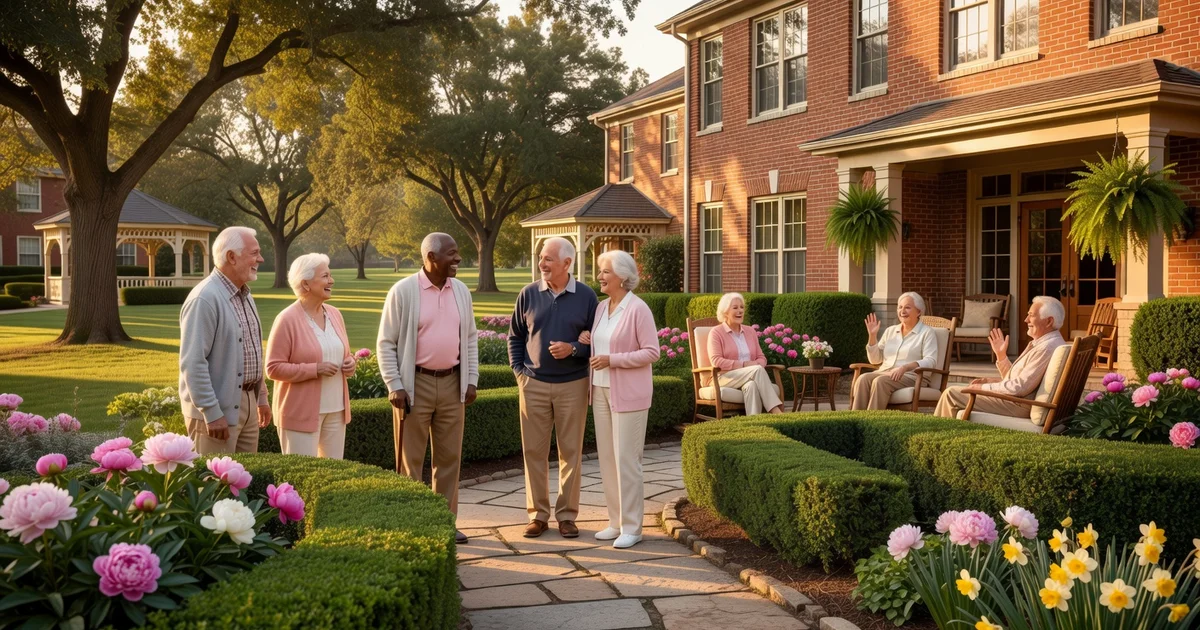
Finding the best memory care in Kansas City, MO requires careful consideration of specialized dementia services, staff training, and secure environments designed for cognitive support. With a senior population of over 71,585 residents aged 65 and older representing 14.1% of Kansas City's 508,233 residents, families across the metro area are increasingly seeking memory care communities that provide compassionate, evidence-based Alzheimer's and dementia care.
Memory care communities in Kansas City typically cost around $4,838 per month for assisted living with memory support, which is comparable to the national average of $4,995 monthly. These specialized communities offer secure environments, structured daily routines, and staff specifically trained in dementia care techniques. This comprehensive guide will help you navigate the best memory care options in Kansas City, comparing specialized services, costs, locations near major medical centers like Saint Luke's Hospital and Research Medical Center, and amenities that support quality of life for residents with cognitive impairments.
Whether you're exploring options in Brookside, the Country Club Plaza area, or communities near North Kansas City Hospital, this guide provides the essential information families need to make informed decisions about memory care in the Kansas City metropolitan area.
Memory Care Communities in the Plaza District
Central location near top medical facilities and walkable neighborhoods with specialized dementia care programming.
Memory care communities located near the Country Club Plaza offer families convenient access to Kansas City's premier shopping, dining, and medical facilities. These communities typically feature secure outdoor courtyards, specialized memory care wings with enhanced safety features, and staff trained in validation therapy and person-centered dementia care approaches. The Plaza area's central location provides easy access to the University of Kansas Health System and Saint Luke's Hospital of Kansas City for medical appointments.
Communities in this area often incorporate music therapy, reminiscence programming, and sensory stimulation activities designed specifically for residents with Alzheimer's disease and related dementias. The walkable neighborhoods and cultural amenities of the Plaza district allow family members to easily visit and take residents on supervised outings to familiar local landmarks. Contact communities directly for current pricing and availability, as costs vary based on level of care needed and apartment size.
Northland Memory Care Options
Newer communities with modern dementia care design near North Kansas City Hospital.
The Northland area of Kansas City has seen significant growth in purpose-built memory care communities featuring the latest in dementia-friendly design principles. These communities north of the Missouri River typically offer circular walking paths to prevent dead-end confusion, color-coded hallways for easier navigation, and specialized lighting systems that support healthy circadian rhythms for residents with dementia.
Proximity to North Kansas City Hospital and Saint Luke's North Hospital provides peace of mind for families, while the suburban setting offers quieter environments that can reduce agitation for some residents with cognitive impairments. Many Northland memory care communities feature secured outdoor spaces with raised garden beds for horticultural therapy, and staff-to-resident ratios that allow for more personalized attention. These communities typically serve residents in all stages of dementia, from early memory loss through advanced Alzheimer's disease.
Brookside and Waldo Memory Care Communities
Established neighborhoods with community-integrated memory care and strong local support networks.
Memory care communities in the Brookside and Waldo neighborhoods benefit from established residential areas with tree-lined streets and strong community connections. These south Kansas City locations offer families the advantage of neighborhood-integrated care, where communities often participate in local events and maintain connections with nearby churches, libraries, and community centers that have long histories of supporting older adults.
Communities in this area typically emphasize maintaining residents' connections to familiar Kansas City landmarks and traditions, incorporating local history into reminiscence therapy programs. The proximity to Research Medical Center and Saint Luke's South Hospital ensures quality healthcare access. Many communities feature smaller, household-model designs that create intimate, home-like environments particularly beneficial for residents in mid to late stages of dementia who thrive with consistent routines and familiar faces.
Blue Springs and Eastern Suburbs Memory Care
Value-oriented options in growing eastern communities with family-friendly visiting environments.
The eastern suburbs of Kansas City, including Blue Springs and Independence, offer memory care communities that often provide competitive pricing while maintaining quality specialized dementia care services. These communities typically feature spacious campuses with extensive outdoor areas, including secured walking paths, gazebos, and therapeutic gardens designed to provide safe outdoor experiences for residents with cognitive impairments.
The family-friendly atmosphere of these suburban communities often translates to welcoming visiting spaces, including family dining areas where relatives can share meals with residents, and activity rooms where grandchildren can participate in intergenerational programs. Staff at these communities typically receive ongoing training in dementia care best practices, including techniques for managing behavioral expressions of dementia and creating meaningful engagement opportunities. The lower cost of living in eastern suburbs can sometimes result in more affordable memory care options compared to urban Kansas City locations.
Overland Park Border Communities
Premium memory care options along the Kansas state line with access to both states' medical resources.
Memory care communities located along the Kansas-Missouri state line near Overland Park offer families access to medical resources and specialists from both states, including the extensive network of University of Kansas Health System facilities. These communities often feature upscale amenities, including chef-prepared dining programs adapted for residents with swallowing difficulties, spa-like bathing suites designed to reduce bathing-related anxiety, and technology-enhanced safety systems.
The area's affluent neighborhoods typically support communities with higher staff-to-resident ratios, specialized programming including art therapy and pet therapy, and partnerships with local universities for cutting-edge dementia research and care innovations. While pricing in this area tends toward the higher end of Kansas City's memory care market, families often cite the comprehensive services, well-trained staff, and beautiful environments as worth the investment. These communities typically serve residents across all stages of Alzheimer's disease and related dementias, with specialized programming adapted to each resident's cognitive abilities.
How to Choose
How to Choose the Best Memory Care in Kansas City, MO
Selecting memory care in Kansas City requires evaluating several critical factors unique to dementia and Alzheimer's care. Start by assessing your loved one's current cognitive abilities and care needs - early-stage memory loss requires different support than advanced dementia. Schedule tours at multiple communities during active times (mid-morning or early afternoon) to observe staff interactions, resident engagement levels, and the general atmosphere.
Key Factors for Kansas City Memory Care Selection
Specialized Staff Training: Ask about staff certifications in dementia care, ongoing training programs, and staff turnover rates. Quality memory care communities invest heavily in employee education about Alzheimer's disease, validation therapy, and non-pharmacological behavior management techniques. Inquire about nurse-to-resident ratios and whether licensed nurses are on-site 24/7.
Safety and Security Features: Memory care communities should have secured perimeters to prevent wandering, monitored entry and exit points, and identification systems for residents. Look for communities with circular floor plans that allow residents to walk freely without encountering dead ends, which can cause confusion and frustration.
Location and Family Access: Consider proximity to your home for frequent visits, which remain crucial for residents' emotional well-being. Kansas City's traffic patterns vary significantly - communities near I-435 or major corridors like Ward Parkway offer easier access from multiple areas. Also evaluate proximity to specialized medical facilities like the University of Kansas Health System or Saint Luke's Hospital for neurology appointments and emergency care.
Programming and Engagement: Quality memory care provides structured daily activities adapted to residents' cognitive abilities, including music therapy, reminiscence programs, sensory stimulation, and light physical exercise. Ask to see a week's activity calendar and observe whether staff actively engage residents or leave them unstimulated in common areas.
Questions to Ask During Tours
Request information about the community's approach to behavioral expressions of dementia, medication management protocols, and how they handle residents who require increased care as dementia progresses. Ask about dining programs and how they accommodate residents with swallowing difficulties or who forget to eat. Inquire about family communication practices - how often families receive updates, and how the community handles medical emergencies. Finally, understand the financial structure completely, including what's covered in base pricing versus additional charges for increased care needs.
Cost Comparison
Memory Care Costs in Kansas City, MO
Understanding the financial commitment of memory care in Kansas City helps families plan appropriately for long-term care needs. Memory care typically costs more than standard assisted living due to specialized staffing, secured environments, and dementia-specific programming.
Kansas City Memory Care Costs:
- Average monthly cost: Approximately $4,838 for assisted living with memory support
- Range: Generally $4,000-$7,500+ depending on community location, amenities, and level of care
- Compared to nursing homes: Semi-private nursing home rooms in Kansas City average $7,607 monthly, making dedicated memory care communities often more cost-effective for residents who don't require skilled nursing
- National comparison: Kansas City's memory care costs are comparable to the national assisted living average of $4,995/month, making the city relatively affordable for specialized dementia care
Cost Variables in Kansas City: Communities in premium areas like the Country Club Plaza or along the Overland Park border typically charge higher rates, while communities in eastern suburbs like Blue Springs or Independence may offer more competitive pricing. The median household income in Kansas City of $67,449 means many families need to plan carefully for memory care expenses, often combining personal savings, long-term care insurance, veterans benefits, or Medicaid assistance.
What's Included: Most memory care pricing includes room and board, specialized dementia care programming, 24-hour supervision and assistance, medication management, and meals adapted for residents with cognitive impairments. Additional costs may include higher levels of one-on-one care, incontinence supplies, specialized medical services, or salon services. Always request a detailed fee schedule showing both base rates and potential additional charges to avoid surprises.
Financial Planning Resources: Kansas City families should explore all payment options, including VA Aid and Attendance benefits for veterans and surviving spouses, which can provide up to $2,266 monthly for assisted living or memory care costs. Missouri's Medicaid program covers some memory care services, though availability varies by community. Consult with elder law attorneys familiar with Kansas City resources to maximize available financial assistance.
Frequently Asked Questions
What is the average cost of memory care in Kansas City, MO?
How do I know when my loved one needs memory care versus assisted living in Kansas City?
What should I look for in memory care staff training in Kansas City communities?
Are there memory care communities in Kansas City that accept Medicaid?
What neighborhoods in Kansas City have the best access to memory care and medical facilities?
Choosing the best memory care in Kansas City, MO requires careful evaluation of specialized dementia care services, staff training, safety features, and costs that average around $4,838 monthly. Whether you're exploring communities in the central Plaza district with convenient medical access, newer Northland facilities with modern dementia-friendly design, or value-oriented options in eastern suburbs, Kansas City offers diverse memory care choices to meet different family needs and budgets.
The key to finding the right fit is visiting multiple communities, observing staff-resident interactions, asking detailed questions about dementia care approaches, and honestly assessing your loved one's current and future care needs. Remember that quality memory care provides not just safety and supervision, but meaningful engagement, dignity, and quality of life for residents with Alzheimer's disease and related dementias. Use Ultimate Senior Resource to explore memory care options throughout Kansas City, compare communities, and connect with local resources that can help your family navigate this important transition with confidence and support.