
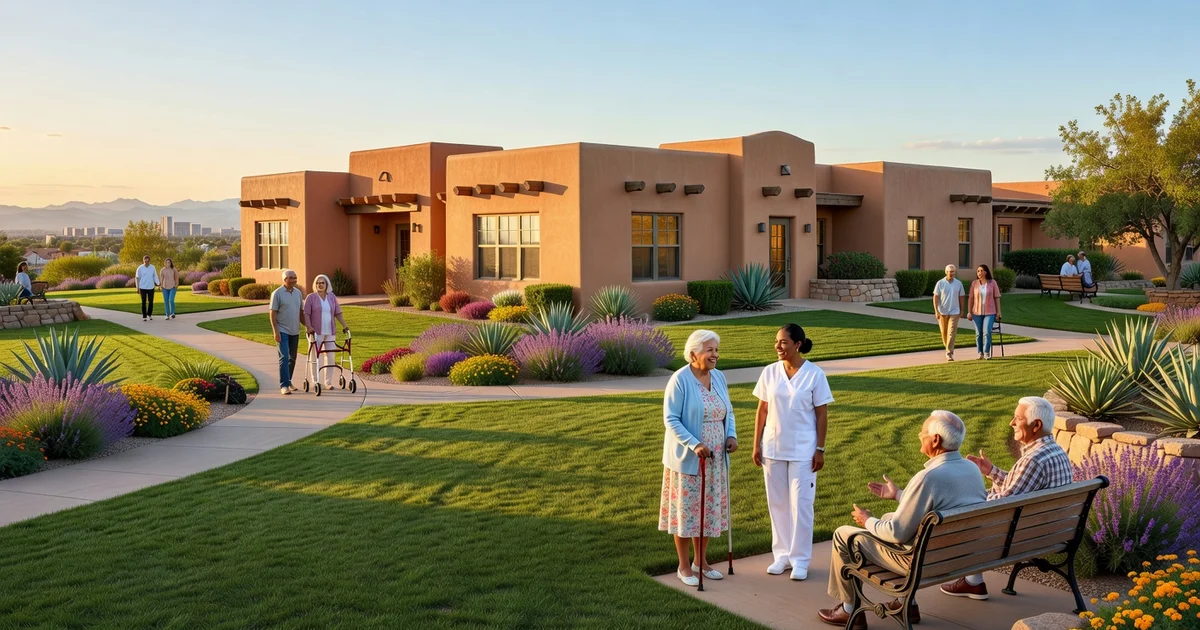
Finding the best nursing home in Albuquerque, NM requires careful consideration of care quality, location, and cost factors that matter most to your family. With a senior population of 96,492 residents aged 65 and older - representing 17.2% of Albuquerque's total population - the demand for skilled nursing care continues to grow as families seek facilities that provide comprehensive medical care, rehabilitation services, and compassionate support for their loved ones.
Albuquerque's nursing homes offer 24/7 skilled nursing care for seniors with complex medical needs, post-surgical recovery requirements, or advanced chronic conditions. The average cost for a semi-private room in an Albuquerque nursing home is approximately $8,349 per month, which aligns closely with national averages and reflects the quality of medical care, licensed nursing staff, and therapeutic services these facilities provide. This guide examines the landscape of nursing home care in Albuquerque, helping families understand their options across different neighborhoods, from the Northeast Heights to the West Side, and what to expect when evaluating facilities near Presbyterian Hospital, University of New Mexico Hospital, and other major medical centers.
Whether you're seeking short-term rehabilitation after hospitalization or long-term skilled nursing care, this comprehensive guide will help you navigate the process of finding the best nursing home in Albuquerque, NM for your family's unique situation.
Northeast Heights Area Skilled Nursing Facilities
Convenient access to Presbyterian Rust Medical Center and numerous specialists in Albuquerque's most established senior living corridor.
The Northeast Heights neighborhood, particularly along Montgomery Boulevard and Menaul Boulevard, hosts several well-established nursing homes that serve Albuquerque families seeking skilled nursing care. This area offers proximity to Presbyterian Rust Medical Center, making hospital-to-facility transitions seamless for post-acute care and rehabilitation. Facilities in this region typically provide semi-private and private rooms with 24/7 licensed nursing staff, physical therapy, occupational therapy, and speech therapy services.
The Northeast Heights location provides families with easy access via I-25 and I-40, with ample shopping, dining, and services nearby for visiting family members. Many facilities in this area specialize in post-surgical recovery, stroke rehabilitation, cardiac care, and management of complex chronic conditions like diabetes and COPD. The elevation and dry climate of Albuquerque can be beneficial for certain respiratory conditions. Contact facilities directly for current pricing and availability, as rates vary based on room type and level of care required.
West Side Nursing Home Options
Newer facilities with modern amenities in Albuquerque's fastest-growing area, offering mountain views and proximity to West Side medical services.
Albuquerque's West Side, including areas near Coors Boulevard and Paseo del Norte, has seen significant growth in senior care facilities over the past decade. Nursing homes in this region often feature more contemporary designs with updated rehabilitation gyms, private dining spaces, and outdoor courtyards that take advantage of New Mexico's 310 days of sunshine annually. These facilities serve residents from Rio Rancho, Corrales, and West Albuquerque neighborhoods.
West Side nursing homes typically offer comprehensive skilled nursing services including wound care, IV therapy, pain management, and specialized dementia care units. The area's proximity to Lovelace Westside Hospital ensures coordinated medical care, while the newer infrastructure often includes wider hallways for wheelchair accessibility, updated safety features, and family-friendly visiting areas. Many facilities accept Medicare, Medicaid, and private pay arrangements. The West Side location may be ideal for families living in the rapidly developing western portions of the metro area, reducing travel time for daily visits.
Uptown/Midtown Nursing Facilities
Central location near UNM Hospital and the VA Medical Center, ideal for veterans and families throughout the metro area.
Nursing homes in Albuquerque's Uptown and Midtown corridors, particularly near Louisiana Boulevard and I-40, offer central accessibility for families throughout the metropolitan area. This location provides proximity to the University of New Mexico Hospital, the VA Medical Center, and numerous medical specialists, making it an excellent choice for residents requiring frequent specialist consultations or those transitioning from hospital care to skilled nursing.
These facilities often serve a diverse population including veterans who may qualify for VA benefits to help cover nursing home costs. Services typically include 24-hour skilled nursing care, medication management, nutritional support with specialized diets (including diabetic and cardiac diets), and both short-term rehabilitation and long-term care options. The central location means family members from all parts of Albuquerque - whether Northeast Heights, West Side, or the South Valley - can visit with relative ease. Many facilities in this area have established relationships with UNM geriatric specialists and can coordinate complex medical care effectively.
East Albuquerque Nursing Care Centers
Established facilities in quiet residential neighborhoods near Sandia Mountains, offering serene settings with comprehensive medical care.
East Albuquerque, including areas near Eubank Boulevard and Tramway, features nursing homes in more residential, quiet settings with views of the Sandia Mountains. These facilities often appeal to families seeking a more peaceful environment while still maintaining access to Albuquerque's medical infrastructure. The elevation and proximity to the mountains provide a distinctive New Mexico atmosphere that many long-time residents appreciate.
Nursing homes in East Albuquerque typically provide the full spectrum of skilled nursing services including respiratory therapy, physical rehabilitation following hip or knee replacement surgery, stroke recovery programs, and end-of-life hospice care coordination. Many facilities maintain secure memory care units for residents with Alzheimer's disease or other forms of dementia. The residential character of these neighborhoods often means more parking availability for visiting families and a quieter atmosphere. Contact facilities for information about Medicare and Medicaid acceptance, as well as private pay options and potential VA benefits for eligible veterans.
South Valley and Downtown Adjacent Options
Culturally diverse facilities serving Albuquerque's historic neighborhoods with bilingual staff and community connections.
Nursing homes serving South Valley, Downtown, and Old Town areas of Albuquerque often reflect the cultural diversity of these historic neighborhoods. Many facilities in this region offer bilingual staff (English and Spanish), culturally appropriate meals, and strong connections to the surrounding community. These facilities serve families who have lived in Albuquerque for generations and prefer care that honors their cultural heritage and traditions.
Despite the historic nature of these neighborhoods, nursing homes in this area provide modern skilled nursing care including wound care management, diabetes management, cardiac monitoring, and comprehensive rehabilitation services. Proximity to Presbyterian Hospital Downtown and other central medical facilities ensures coordinated care. The South Valley location may be particularly convenient for families living in Albuquerque's southern neighborhoods, Los Lunas, or Belen. These facilities typically accept Medicare and Medicaid, making them accessible to families across various income levels. The median household income in Albuquerque of $65,604 means many families rely on Medicare and Medicaid coverage, and facilities in this area often have experience navigating these payment systems.
How to Choose
How to Choose the Best Nursing Home in Albuquerque, NM
Selecting a nursing home in Albuquerque requires evaluating multiple factors to ensure your loved one receives appropriate care in a setting that meets their medical, social, and personal needs. Start by assessing the level of skilled nursing care required - whether your family member needs short-term rehabilitation after surgery or hospitalization, or long-term care for chronic conditions like Parkinson's disease, advanced dementia, or heart failure.
Budget and Payment Options
Understanding the financial aspects is crucial when choosing a nursing home. In Albuquerque, the average cost for a semi-private room is approximately $8,349 per month, while private rooms typically cost more. Medicare covers short-term skilled nursing care (up to 100 days following a qualifying hospital stay), but does not cover long-term custodial care. Medicaid covers long-term nursing home care for eligible individuals who meet income and asset requirements. Many Albuquerque nursing homes accept both Medicare and Medicaid, but confirm acceptance and bed availability directly with each facility. Veterans may qualify for VA Aid and Attendance benefits, which can help offset nursing home costs - particularly relevant given Albuquerque's significant veteran population served by the VA Medical Center.
Location and Accessibility Considerations
Albuquerque's geography spans from the West Mesa to the Sandia Mountains, and choosing a location convenient for regular family visits is important for your loved one's emotional well-being. Consider proximity to family members' homes and workplaces, as frequent visits significantly impact resident quality of life. Also evaluate the facility's proximity to hospitals - Presbyterian, Lovelace, and UNM Hospital are major medical centers that coordinate with nursing homes for emergency care and specialist consultations. Albuquerque's high elevation (5,312 feet) and dry climate may benefit some respiratory conditions but can require adjustment for those new to the area.
Questions to Ask During Facility Tours
When touring nursing homes in Albuquerque, ask about nurse-to-resident ratios (both during day and night shifts), staff turnover rates, and whether the facility has licensed nurses on-site 24/7. Inquire about therapy services - physical, occupational, and speech therapy availability and frequency. Ask to see the activities calendar to understand social engagement opportunities. Request information about the facility's most recent state health inspection results and any citations or deficiencies. Discuss admission criteria, discharge policies, and how the facility handles medical emergencies. Finally, ask current residents and their families about their experiences - their insights are invaluable.
Cost Comparison
Nursing Home Costs in Albuquerque Compared
Understanding how nursing home costs in Albuquerque compare to state and national averages helps families budget appropriately and recognize the value proposition of local facilities. The cost of skilled nursing care reflects the 24/7 medical supervision, licensed nursing staff, rehabilitation therapies, medication management, and comprehensive personal care these facilities provide.
Albuquerque Nursing Home Cost Breakdown:
- Semi-Private Room: Approximately $8,349 per month in Albuquerque
- National Average Semi-Private Room: Approximately $8,669 per month
- Cost Comparison: Albuquerque nursing home costs are slightly below the national average, offering relative affordability while maintaining quality care standards
- Private Room Premium: Private rooms typically cost $1,000-$2,000 more per month than semi-private accommodations
For context, assisted living in Albuquerque averages $5,310 per month, significantly less than skilled nursing care, but assisted living facilities cannot provide the medical care, rehabilitation services, and 24-hour nursing supervision that nursing homes offer. The price difference reflects the intensity of care and medical services provided in nursing home settings.
Many Albuquerque families utilize a combination of payment sources to cover nursing home costs. Medicare covers short-term skilled nursing following a qualifying hospital stay (typically 20 days at 100% coverage, then days 21-100 with copayment). For long-term care, Medicaid becomes the primary payer for eligible individuals, covering approximately 62% of nursing home residents nationally. Private long-term care insurance, veteran benefits, and personal savings comprise other payment sources. Given Albuquerque's median household income of $65,604, financial planning and understanding available benefits is essential for most families considering nursing home care.
Frequently Asked Questions
What is the average cost of a nursing home in Albuquerque, NM in 2026?
Does Medicare cover nursing home care in Albuquerque?
What is the difference between a nursing home and assisted living in Albuquerque?
How do I find nursing homes in Albuquerque that accept Medicaid?
What should I look for when touring nursing homes in Albuquerque?
Choosing the best nursing home in Albuquerque, NM requires careful evaluation of care quality, location, costs, and how well a facility meets your loved one's specific medical and personal needs. With semi-private room costs averaging $8,349 per month - slightly below national averages - Albuquerque offers quality skilled nursing care across diverse neighborhoods from the Northeast Heights to the South Valley, each with unique advantages in terms of hospital proximity, cultural sensitivity, and community character.
Whether you're seeking short-term rehabilitation after hospitalization or long-term skilled nursing care for complex chronic conditions, Albuquerque's nursing homes provide comprehensive medical services, licensed nursing staff, and rehabilitation therapies to support your family member's health and well-being. Take time to tour multiple facilities, ask detailed questions about care protocols and staffing, and involve your loved one in the decision-making process whenever possible. Ultimate Senior Resource is here to help you explore your options and find the nursing home that best serves your family's needs in Albuquerque and throughout New Mexico.