
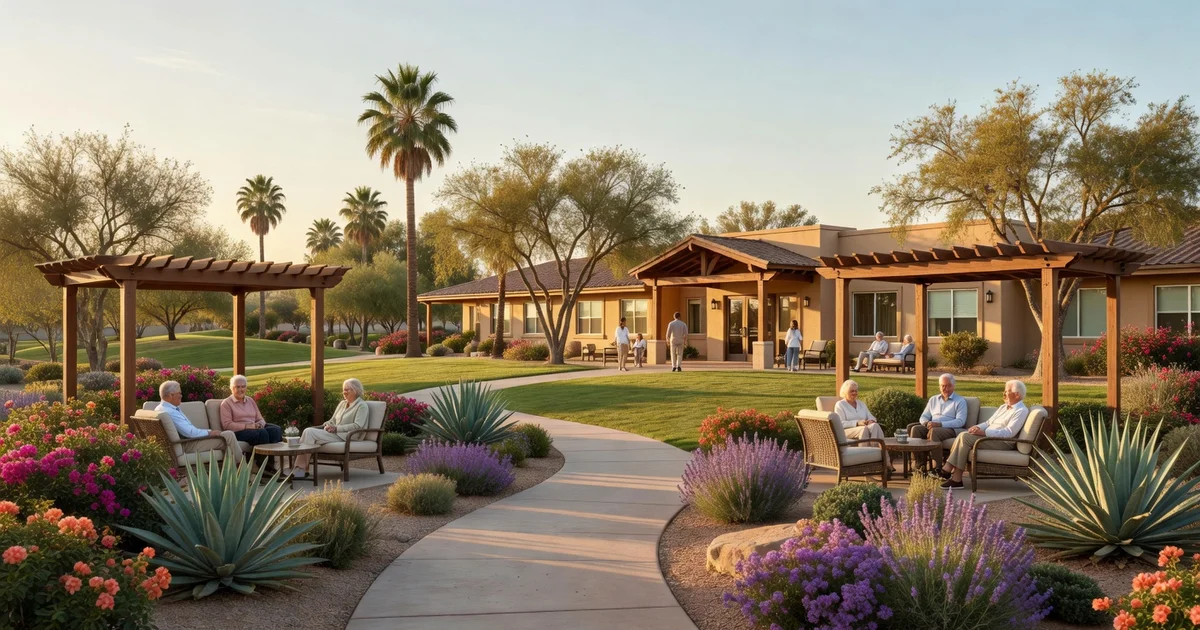
Finding the best nursing home in Phoenix, AZ requires careful consideration of skilled nursing care quality, location, and cost factors that matter most to your family. With Phoenix's senior population of 192,844 residents aged 65 and older - representing 11.9% of the city's 1.6 million people - the demand for quality skilled nursing facilities continues to grow as families seek round-the-clock medical care for their loved ones.
Phoenix nursing homes provide 24/7 skilled nursing care, rehabilitation services, and medical support for seniors with complex health needs who require more intensive care than assisted living can provide. The average cost for a semi-private room in a Phoenix nursing home is approximately $8,813 per month, which is comparable to the national average. This guide examines the leading nursing home options across Phoenix's diverse neighborhoods, from central Phoenix near Banner Health facilities to communities in North Phoenix near Scottsdale Healthcare Osborn, helping families navigate this important healthcare decision.
Whether you're seeking post-hospital rehabilitation, long-term skilled nursing care, or specialized memory care support within a nursing home setting, Phoenix offers a range of facilities designed to meet varying medical needs and budgets.
Skilled Nursing Facilities in Central Phoenix
Convenient access to Banner University Medical Center and downtown Phoenix medical specialists.
Central Phoenix nursing homes offer strategic proximity to major medical centers including Banner University Medical Center Phoenix and St. Joseph's Hospital and Medical Center, making them ideal for residents requiring frequent specialist consultations or emergency care access. These facilities typically provide comprehensive skilled nursing services including post-surgical rehabilitation, wound care, IV therapy, and 24-hour registered nursing staff.
Located near neighborhoods like Encanto, Arcadia, and Midtown, central Phoenix nursing homes benefit from easy family access via Interstate 10 and State Route 51. Many facilities in this area feature Medicare and Medicaid certification, on-site physical and occupational therapy, and specialized programs for stroke recovery and cardiac rehabilitation. The urban setting provides convenient access to pharmacies, medical supply stores, and cultural amenities. Contact facilities directly for current pricing, which typically ranges around the Phoenix average of $8,813 monthly for semi-private rooms.
North Phoenix Skilled Nursing Communities
Newer facilities with modern amenities in growing North Phoenix neighborhoods.
North Phoenix nursing homes serve the rapidly growing areas of Deer Valley, Desert Ridge, and Happy Valley, offering modern facilities with updated equipment and contemporary care approaches. These skilled nursing facilities typically feature private and semi-private rooms with updated décor, advanced rehabilitation gyms, and therapeutic outdoor spaces designed for Arizona's climate with covered patios and desert landscaping.
The North Phoenix area provides excellent access to John C. Lincoln Medical Center and Abrazo Scottsdale Campus, along with numerous specialty medical practices along the Tatum Boulevard and Cave Creek Road corridors. Many facilities in this region emphasize short-term rehabilitation services for post-hospitalization recovery, including orthopedic rehabilitation following joint replacement surgeries, stroke recovery programs, and cardiac care. The area's newer development means many nursing homes feature enhanced amenities such as private dining areas, beauty salons, and activity rooms. Families appreciate the ample parking and easy freeway access via Loop 101.
West Phoenix and Glendale Nursing Facilities
Value-focused options with strong community connections and bilingual services.
West Phoenix and neighboring Glendale offer nursing home options that often provide excellent value while maintaining quality skilled nursing care standards. These facilities serve diverse communities with many offering bilingual staff and culturally sensitive care approaches, particularly important for Phoenix's significant Hispanic population. Located near neighborhoods like Maryvale, Westgate, and along Grand Avenue, these nursing homes provide full-spectrum skilled nursing including diabetes management, respiratory therapy, and hospice care coordination.
Access to Banner Thunderbird Medical Center and Abrazo West Campus ensures residents receive prompt medical attention when needed. Many west-side nursing homes have established strong relationships with local physicians who make regular rounds, reducing the need for hospital transfers. These facilities typically offer both Medicare-certified skilled nursing beds and long-term care options, with costs often slightly below the Phoenix average. The area's lower cost of living can translate to more affordable monthly rates while still providing quality 24-hour nursing care, rehabilitation services, and nutritious meal programs.
East Valley Nursing Homes (Tempe/Mesa Border)
Access to multiple healthcare systems and university medical research facilities.
Nursing homes serving the Phoenix-Tempe-Mesa border area benefit from proximity to multiple healthcare systems including Banner Desert Medical Center, Dignity Health Chandler Regional, and the Mayo Clinic in Phoenix. This concentration of medical expertise makes these facilities particularly attractive for residents with complex medical conditions requiring specialist care or those participating in clinical trials or advanced treatment protocols.
The East Valley location provides families living in Tempe, Scottsdale, and Mesa with convenient visiting access via Loop 202 and US 60. These nursing homes typically offer comprehensive skilled nursing services including ventilator care, dialysis coordination, advanced wound care, and specialized dementia care units within the nursing home setting. Many facilities in this corridor have modernized in recent years, adding private rooms, updating therapy equipment, and implementing electronic health records for better care coordination. The area's strong senior services network means residents often benefit from visiting specialists, mobile diagnostic services, and integrated care approaches.
South Phoenix Skilled Nursing Options
Community-focused care with strong family involvement and accessible pricing.
South Phoenix nursing homes serve established neighborhoods with facilities that often emphasize strong family involvement and community connections. These skilled nursing facilities provide comprehensive medical care including 24-hour registered nursing, medication management, physical and occupational therapy, and specialized services such as tracheostomy care and feeding tube management. Located near South Mountain and along Central Avenue south of downtown, these facilities offer convenient access for families throughout the Phoenix metro area.
Proximity to Valleywise Health Medical Center (formerly Maricopa Medical Center) ensures quality emergency and specialty care access. Many South Phoenix nursing homes have served their communities for decades, building reputations for compassionate care and cultural sensitivity. These facilities typically accommodate both short-term rehabilitation stays and long-term nursing care residents, with many accepting Medicare, Medicaid, and private insurance. The area's nursing homes often feature outdoor courtyards designed for Arizona's climate, activity programs that reflect the community's cultural diversity, and flexible visiting hours that encourage family participation in care planning and daily activities.
How to Choose
How to Choose the Best Nursing Home in Phoenix, AZ
Selecting the right nursing home in Phoenix requires evaluating several critical factors that directly impact your loved one's health, safety, and quality of life. Start by assessing the specific level of medical care needed - whether post-hospital rehabilitation, long-term skilled nursing, or specialized care for conditions like advanced dementia, Parkinson's disease, or ventilator dependence. Phoenix nursing homes vary significantly in their specialty services, so matching the facility's strengths to your loved one's medical needs is paramount.
Location and Accessibility Considerations
Phoenix's sprawling geography means location matters significantly for family visits and medical access. Consider proximity to family members who will visit regularly - frequent family involvement strongly correlates with better resident outcomes. Evaluate the nursing home's distance from major hospitals like Banner Health facilities, Mayo Clinic, or Dignity Health centers, as residents may need emergency transport or specialist consultations. Phoenix's extreme summer heat (often exceeding 110°F) makes climate-controlled environments essential, so assess whether facilities have adequate cooling, shaded outdoor areas, and protocols for heat-related health monitoring.
Financial Planning and Medicare Coverage
With Phoenix nursing home costs averaging $8,813 monthly for semi-private rooms, financial planning is crucial. Understand that Medicare covers skilled nursing facility stays only following a qualifying hospital stay of at least three days, and only for up to 100 days with specific conditions. Long-term nursing home care typically requires private payment, long-term care insurance, or Medicaid qualification. Request detailed pricing breakdowns including room type differences, therapy services, medications, and supplies. Some Phoenix facilities offer respite care options for temporary stays, which can provide families with short-term relief while evaluating long-term options.
Essential Questions for Nursing Home Tours
During facility tours, ask about registered nurse staffing ratios (Arizona requires minimum staffing levels, but higher ratios often indicate better care), staff turnover rates, and whether the same care team consistently attends to residents. Inquire about infection control protocols, particularly important given Arizona's dust and valley fever concerns. Request to see the facility's most recent state inspection reports (available through Arizona Department of Health Services), and ask how the facility addresses any cited deficiencies. Observe resident engagement, cleanliness, and whether residents appear well-groomed and comfortable. Don't hesitate to visit during meal times to assess food quality and dining assistance, or to speak with current residents' families about their experiences.
Cost Comparison
Phoenix Nursing Home Costs: Local vs. National Comparison
Understanding nursing home costs in Phoenix helps families budget appropriately and explore all payment options. The average monthly cost for a semi-private room in a Phoenix nursing home is approximately $8,813, which aligns closely with national averages, making Phoenix a moderately priced market for skilled nursing care. Private rooms typically cost 15-25% more than semi-private accommodations, averaging around $10,000-$11,000 monthly in the Phoenix area.
Phoenix Area Nursing Home Cost Breakdown:
- Semi-private room: $8,813/month average (comparable to national average)
- Private room: $10,000-$11,000/month estimated
- Assisted living (for comparison): $5,605/month average in Phoenix
- Cost difference: Nursing homes cost approximately $3,200 more monthly than assisted living due to 24/7 skilled nursing care, medical services, and higher staffing ratios
Geographic variations exist within Phoenix, with facilities in newer North Phoenix and East Valley areas sometimes charging premium rates for modern amenities, while West Phoenix and South Phoenix facilities may offer more competitive pricing. These cost differences rarely exceed 15-20% and should be weighed against factors like location convenience, specialized services, and facility quality. Arizona's lack of state income tax can provide some financial relief for families relocating to Phoenix for senior care, though property taxes and cost of living should be factored into overall budgets.
Most Phoenix nursing homes accept Medicare for qualifying short-term rehabilitation stays (up to 100 days post-hospitalization), and many participate in Arizona's ALTCS (Arizona Long Term Care System) Medicaid program for eligible residents requiring long-term care. Private pay, long-term care insurance, and veterans benefits through the VA Aid and Attendance program represent additional payment options. Families should request detailed cost breakdowns and discuss all available payment sources with facility financial counselors to create sustainable long-term care plans.
Frequently Asked Questions
What is the difference between a nursing home and assisted living in Phoenix?
How do I pay for nursing home care in Phoenix if Medicare runs out?
What should I look for during a nursing home tour in Phoenix?
Are Phoenix nursing homes prepared for extreme heat and valley fever?
How quickly can I place a loved one in a Phoenix nursing home?
Selecting the best nursing home in Phoenix, AZ involves carefully weighing medical care quality, location convenience, costs, and facility culture to find the right match for your loved one's unique needs. With Phoenix's average nursing home costs of $8,813 monthly for semi-private rooms and a growing senior population of nearly 193,000 residents aged 65+, families have numerous options across diverse neighborhoods from central Phoenix near major medical centers to growing communities in North Phoenix and the East Valley.
Take time to tour multiple facilities, review state inspection reports, understand payment options including Medicare coverage limitations and Arizona's ALTCS Medicaid program, and trust your observations about staff competence and resident well-being. The right nursing home provides not just skilled medical care but also dignity, engagement, and quality of life for residents while offering families peace of mind. Ultimate Senior Resource connects Phoenix families with comprehensive information about local nursing homes, helping you make this important healthcare decision with confidence and complete information about available options throughout the Phoenix metropolitan area.