
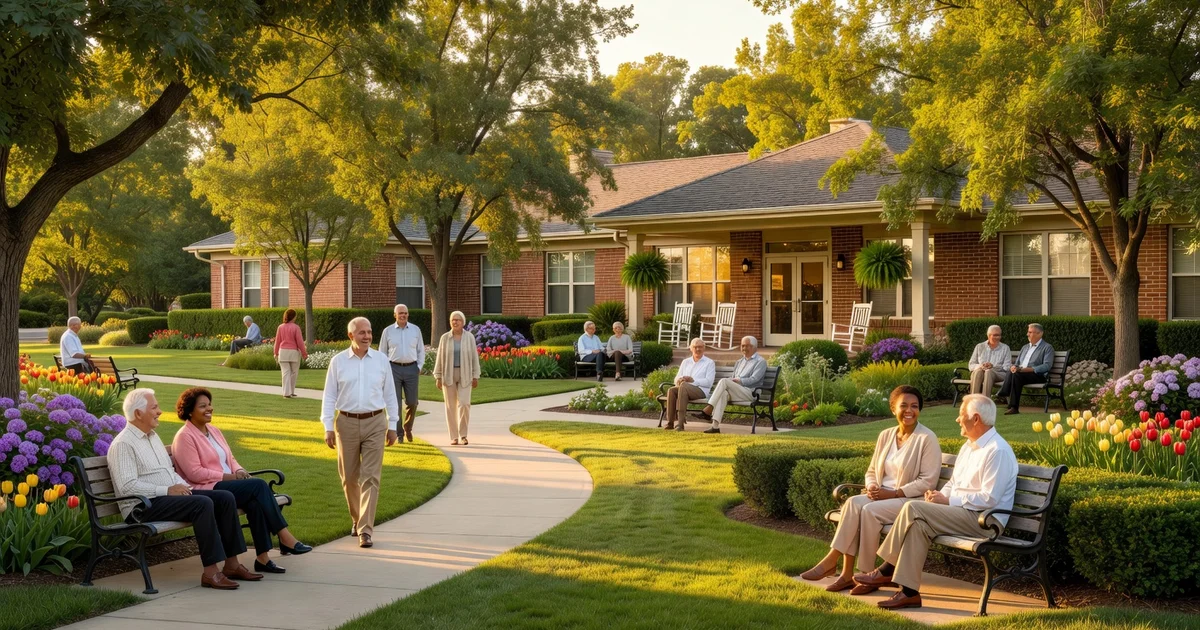
Finding the best nursing home in Tulsa, OK requires careful consideration of care quality, location, and cost - especially in a city where the senior population of 61,822 represents 15% of Tulsa's 412,322 residents. Families seeking skilled nursing care face important decisions about 24/7 medical supervision, rehabilitation services, and long-term care options that meet their loved one's specific health needs.
Tulsa's nursing homes serve residents requiring round-the-clock medical care, post-hospital rehabilitation, or advanced memory care support. With semi-private nursing home rooms averaging $7,422 per month in the Tulsa area - comparable to the national average - families benefit from quality care at competitive rates. The city's healthcare infrastructure, anchored by Saint Francis Health System and Hillcrest Medical Center, provides strong medical support for skilled nursing facilities throughout the metro area.
This guide examines essential factors for selecting a nursing home in Tulsa, including care specializations, proximity to major hospitals, staff credentials, and cost considerations. Whether you're exploring options near South Tulsa, Midtown, or East Tulsa neighborhoods, understanding your choices helps ensure your family member receives appropriate skilled nursing care in a supportive environment.
Skilled Nursing Facilities in South Tulsa
Convenient access to Saint Francis South Hospital and family-friendly neighborhoods
South Tulsa's skilled nursing facilities offer families convenient access to quality care near the city's most established residential areas. Located along corridors like Yale Avenue and Memorial Drive, these nursing homes provide 24/7 skilled nursing care, physical and occupational therapy, and specialized services for post-surgical recovery and chronic condition management.
The South Tulsa location provides proximity to Saint Francis South Hospital, making medical coordination seamless for residents requiring specialist consultations or emergency care. Families living in neighborhoods like Brookside, Woodland Hills, and Jenks appreciate the accessibility for regular visits. Most facilities in this area offer semi-private and private room options, with rehabilitation gyms, dining programs accommodating therapeutic diets, and outdoor spaces for resident enjoyment.
When researching South Tulsa nursing homes, families should inquire about staff-to-resident ratios, specialized care programs (such as wound care or diabetes management), and activities designed to maintain cognitive and physical function. Contact facilities directly for current pricing and availability.
Midtown Tulsa Nursing Facilities
Central location with easy access to downtown medical specialists
Midtown Tulsa nursing homes serve families seeking centrally located skilled nursing care with excellent access to the city's medical corridor. Positioned near major thoroughfares like Peoria Avenue and 41st Street, these facilities provide comprehensive nursing services including wound care, IV therapy, medication management, and post-hospitalization recovery programs.
The central location offers significant advantages: proximity to Saint John Medical Center, OSU Medical Center, and numerous specialty physicians makes care coordination efficient. Residents benefit from established facilities with experienced nursing staff, many offering specialized memory care wings for residents with Alzheimer's disease or dementia requiring secure environments and specialized programming.
Midtown facilities typically feature therapy departments with licensed physical, occupational, and speech therapists who work with residents recovering from strokes, surgeries, or injuries. Many provide short-term rehabilitation stays as well as long-term skilled nursing care. Families should tour facilities to assess cleanliness, staff interaction with residents, and the overall atmosphere during their decision-making process.
East Tulsa Skilled Nursing Options
Affordable care options serving East Tulsa and Broken Arrow communities
East Tulsa's nursing homes provide quality skilled nursing care for families in the eastern metro area, including communities extending toward Broken Arrow. These facilities offer comprehensive medical services including 24-hour nursing supervision, medication administration, assistance with activities of daily living, and coordination with physicians and hospitals throughout the region.
Location advantages include accessibility for families living in East Tulsa, Broken Arrow, and surrounding communities, with less traffic congestion than central Tulsa locations. Many East Tulsa nursing homes maintain strong relationships with nearby medical providers and offer specialized programs for conditions such as cardiac recovery, respiratory therapy, and diabetes management.
Facilities in this area typically provide both Medicare-covered short-term rehabilitation stays and long-term nursing care funded through Medicaid or private pay. When evaluating East Tulsa nursing homes, families should ask about therapy availability, activities programming, dietary accommodations, and policies regarding family visits and involvement in care planning. Request information about staff qualifications and facility inspection reports.
North Tulsa and Owasso Area Facilities
Serving North Tulsa communities with comprehensive skilled nursing services
Nursing homes serving North Tulsa and the Owasso area provide skilled nursing care for families in the northern metro region. These facilities offer 24/7 medical supervision, rehabilitation services, and specialized care programs designed to support residents with complex medical needs requiring ongoing nursing attention and therapeutic interventions.
The northern location benefits families residing in Owasso, Collinsville, and North Tulsa neighborhoods, offering convenient access without navigating central Tulsa traffic. Many facilities in this area emphasize small-community atmospheres while maintaining clinical capabilities including wound care, pain management, and coordination with area hospitals such as Bailey Medical Center in Owasso.
North area nursing homes typically provide both private and semi-private accommodations, with amenities including therapy gyms, beauty salons, and outdoor areas for resident enjoyment. Families should evaluate facilities based on care specializations, staff credentials, cleanliness standards, and the overall environment. Ask about resident-to-staff ratios during different shifts and how the facility handles medical emergencies.
West Tulsa and Sand Springs Nursing Homes
Community-focused care serving West Tulsa and Sand Springs residents
West Tulsa and Sand Springs nursing facilities provide skilled nursing services for families in the western metro area. These nursing homes offer comprehensive medical care including 24-hour nursing supervision, medication management, rehabilitation therapy, and specialized programs for residents recovering from hospitalization or managing chronic health conditions.
The western location serves families in Sand Springs, Sapulpa, and West Tulsa neighborhoods, providing care closer to home for residents who have lived in these communities for years. Many facilities emphasize personalized care plans, working closely with residents' physicians to coordinate medical services and ensure continuity of care.
West area nursing homes typically feature therapy departments staffed by licensed therapists, dining programs accommodating special diets, and activities designed to promote socialization and maintain cognitive function. When selecting a nursing home in this area, families should tour during regular hours to observe staff interactions, ask about infection control protocols, and review the facility's approach to family communication and care plan updates. Inquire about admission requirements and payment options including Medicare, Medicaid, and private pay arrangements.
How to Choose
How to Choose the Best Nursing Home in Tulsa, OK
Selecting a nursing home in Tulsa requires evaluating multiple factors to ensure your loved one receives appropriate skilled nursing care in a safe, comfortable environment. Start by assessing medical needs: Does your family member require 24/7 nursing supervision, post-surgical rehabilitation, memory care, or management of chronic conditions like diabetes or heart disease? Understanding care requirements helps narrow your search to facilities with appropriate clinical capabilities and specialized programs.
Budget and Payment Considerations
With nursing home semi-private rooms in Tulsa averaging $7,422 monthly, financial planning is essential. Determine payment sources early: Medicare typically covers short-term rehabilitation stays following hospitalization (up to 100 days with conditions), while Medicaid covers long-term nursing home care for eligible individuals. Private pay and long-term care insurance are additional options. Request detailed pricing information from each facility, including what services are covered in the base rate versus additional charges for specialized care or amenities.
Location and Accessibility Factors
Consider proximity to family members who will visit regularly and access to medical specialists. Facilities near Saint Francis, Hillcrest, or Saint John hospitals offer advantages for care coordination. Tulsa's neighborhoods each offer distinct benefits: South Tulsa provides family-friendly accessibility, Midtown offers central convenience, while East, North, and West areas serve their respective communities. Evaluate parking availability, visiting hour policies, and how easily family can participate in care planning meetings.
Essential Questions for Facility Tours
During tours, observe staff interactions with residents, facility cleanliness, and overall atmosphere. Ask about nurse-to-resident ratios for different shifts, staff turnover rates, and credentials of nursing leadership. Inquire about therapy services, activities programming, dietary accommodations, and how the facility handles medical emergencies. Request to see the most recent state inspection report and ask how any deficiencies were addressed. Understanding these factors helps families identify the nursing home tulsa option that best meets their loved one's needs.
Cost Comparison
Understanding Nursing Home Costs in Tulsa
Nursing home costs in Tulsa align closely with national averages, making the city a competitively priced market for skilled nursing care. Semi-private nursing home rooms in the Tulsa area average approximately $7,422 per month, which translates to roughly $89,064 annually. This pricing reflects the comprehensive nature of nursing home care, including 24/7 skilled nursing supervision, meals, housekeeping, medication management, and access to rehabilitation therapy services.
Compared to other care options in Tulsa, nursing homes represent the highest level of medical care and corresponding cost. Assisted living in Tulsa averages $4,720 monthly - significantly less expensive but appropriate only for seniors who don't require constant nursing supervision. The cost difference reflects the medical intensity: nursing homes provide licensed nurses on-site around the clock, whereas assisted living offers personal care assistance without skilled nursing services.
Cost Comparison Overview
- Tulsa Nursing Home (semi-private): $7,422/month average
- Tulsa Assisted Living: $4,720/month average
- National Nursing Home Average: Comparable to Tulsa rates
- Cost Range Factors: Private vs. semi-private rooms, specialized care needs, facility amenities
Payment options significantly impact affordability. Medicare covers short-term rehabilitation stays (typically up to 100 days following hospitalization), making post-surgical or post-illness recovery more affordable. For long-term care, Medicaid covers nursing home costs for eligible Oklahoma residents, though asset and income limits apply. Private pay and long-term care insurance are additional payment methods. Families should discuss all payment options with facilities during the selection process, as costs can vary based on room type, care intensity, and available payment sources.
Frequently Asked Questions
What is the average cost of a nursing home in Tulsa, OK?
How do I know if my loved one needs a nursing home versus assisted living in Tulsa?
What should I look for during a nursing home tour in Tulsa?
Which Tulsa hospitals work closely with nursing homes for care coordination?
Does Medicare or Medicaid cover nursing home care in Tulsa?
Selecting the best nursing home in Tulsa, OK involves careful evaluation of care quality, location, costs, and how well a facility meets your loved one's specific medical and personal needs. With semi-private rooms averaging $7,422 monthly and Tulsa's strong healthcare infrastructure supporting quality skilled nursing care, families have access to facilities offering comprehensive medical services throughout the metro area. Whether you prioritize proximity to South Tulsa neighborhoods, central Midtown convenience, or community-focused care in East, North, or West Tulsa, the right nursing home provides skilled nursing supervision, rehabilitation services, and a supportive environment for your family member.
Take time to tour multiple facilities, ask detailed questions about staffing and care protocols, and involve your loved one in the decision-making process when possible. Ultimate Senior Resource offers comprehensive listings and guidance to help Tulsa families navigate nursing home options and make informed decisions about skilled nursing care. Start your search today to find the facility that best supports your family's needs and provides quality care for your loved one.