
Senior Living in Albuquerque, NM
Discover quality senior care options in a city where over 96,000 seniors enjoy 310 days of sunshine annually.
Albuquerque has 21 senior living communities run by 9 operators, offering Aging in Place, Assisted Living, Hospice Care, Independent Living, Long-Term Care, Memory Care, Respite Care, Skilled Nursing, and Skilled Nursing Facility (SNF). Genesis HealthCare has the largest local footprint, with Brookdale Senior Living also running multiple communities. Other operators include Sunrise Senior Living, Integral/Solstice Senior Living, MorningStar Senior Living, Spectrum Retirement Communities, Watermark Retirement Communities, Senior Lifestyle, and Pacifica Senior Living. Care options range from independent living and assisted living to memory care, long-term care, respite care, hospice care, skilled nursing, and aging in place. New Mexico's 2024 assisted-living figure is $6,163 per month, and 16.55% of Albuquerque residents are seniors. The city has 562,488 residents and a median household income of $61,503. Below is every operator serving Albuquerque, what they offer, and what care costs here.
32 Senior Living Communities in Albuquerque
32 communities
Assisted Living, Memory Care & Independent Living in Albuquerque
23 communities offering assisted living, memory care, independent living, and other residential senior care options in Albuquerque.
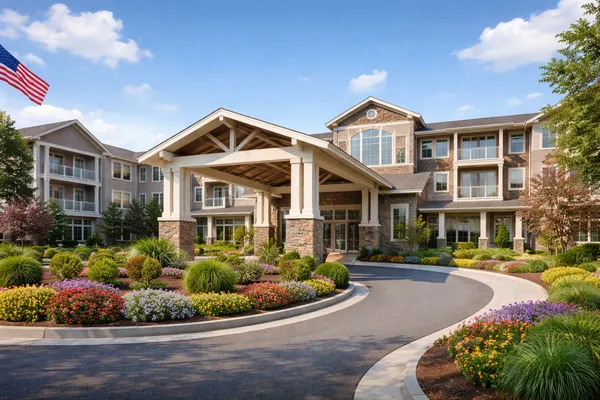
Ahepa 501 III Apartments
6620 Bluewater Road Northwest
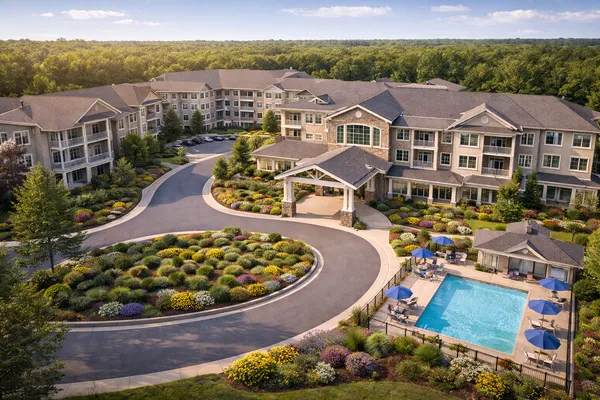
Albuquerque Heights Healthcare and Rehabilitation Center
103 Hospital Loop Northeast
Bear Canyon Estates
4440 Morris Street Northeast
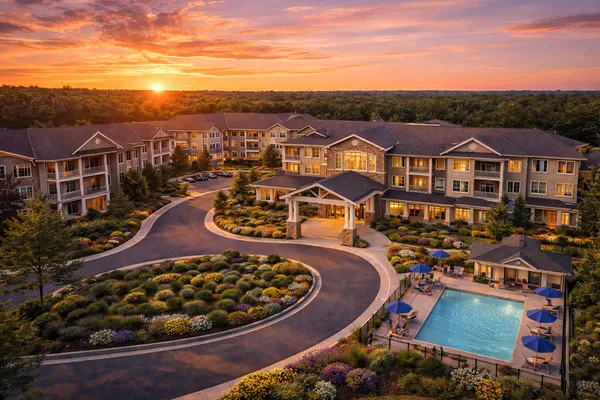
Bear Canyon Rehabilitation Center
5123 Juan Tabo Boulevard Northeast
Brookdale at Home Valencia
300 Valencia Drive Southeast
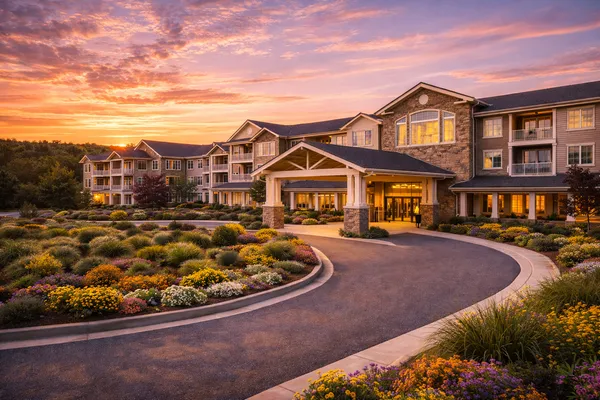
Brookdale Tramway Ridge
4910 Tramway Ridge
Brookdale Valencia
300 Valencia Drive SE
Canyon Transitional Rehabilitation Center
10101 Lagrima De Oro Road Northeast
Ladera Center
5901 Ouray Road Northwest
Las Palomas Center
8100 Palomas Avenue Northeast
Morada Albuquerque
1620 Indian School Road Northeast
Morada Quintessence
7101 Eubank Boulevard Northeast
MorningStar at North Ridge
8101 Palomas Avenue Northeast
MorningStar of Albuquerque
8051 Palomas Avenue Northeast
Palmilla Senior Living
10301 Golf Course Road Northwest
Sandia Ridge Center
2216 Lester Drive Northeast
Sandia Vista Senior Living
500 Paisano Street Northeast
Skies Healthcare and Rehabilitation Center
9150 McMahon Boulevard Northwest
The Rehabilitation Center of Albuquerque
5900 Forest Hills Drive Northeast
The Watermark at Cherry Hills
6901 San Vicente Avenue Northeast
The Woodmark at Uptown
7201 Prospect Place Northeast
Uptown Rehabilitation Center
7900 Constitution Avenue Northeast
Villa Pacifica
Villa Pacifica
Who Operates Senior Living in Albuquerque
9 operators run Albuquerque's 21 senior living communities.
Albuquerque Heights Healthcare and Rehabilitation Center is operated by Genesis HealthCare and offers Skilled Nursing Facility (SNF), Long-Term Care, Respite Care, Memory Care, and Hospice Care.
Bear Canyon Estates
★ 4.2Bear Canyon Estates is operated by Sunrise Senior Living and offers Independent Living.
Bear Canyon Rehabilitation Center is operated by Genesis HealthCare and offers Skilled Nursing Facility (SNF), Long-Term Care, Respite Care, Memory Care, and Hospice Care.
Brookdale at Home Valencia is operated by Brookdale Senior Living and offers Respite Care and Aging in Place.
Brookdale Tramway Ridge is operated by Brookdale Senior Living and offers Assisted Living, Memory Care, Independent Living, and Skilled Nursing.
Brookdale Valencia is operated by Brookdale Senior Living and offers Assisted Living, Memory Care, Independent Living, and Skilled Nursing.
Canyon Transitional Rehabilitation Center is operated by Genesis HealthCare and offers Skilled Nursing Facility (SNF), Respite Care, Hospice Care, and Long-Term Care.
Ladera Center
★ 4Ladera Center is operated by Genesis HealthCare and offers Skilled Nursing Facility (SNF), Long-Term Care, Respite Care, and Hospice Care.
Las Palomas Center
★ 3.5Las Palomas Center is operated by Genesis HealthCare and offers Skilled Nursing Facility (SNF), Long-Term Care, Respite Care, and Hospice Care.
Morada Albuquerque is operated by Integral/Solstice Senior Living and offers Assisted Living and Memory Care. Morada Quintessence is operated by Integral/Solstice Senior Living and offers Assisted Living.
Morada Albuquerque is operated by Integral/Solstice Senior Living and offers Assisted Living and Memory Care. Morada Quintessence is operated by Integral/Solstice Senior Living and offers Assisted Living.
MorningStar at North Ridge is operated by MorningStar Senior Living and offers Memory Care.
MorningStar of Albuquerque is operated by MorningStar Senior Living and offers Assisted Living and Memory Care.
Palmilla Senior Living
★ 4.2Palmilla Senior Living is operated by Spectrum Retirement Communities and offers Independent Living, Assisted Living, and Memory Care.
Sandia Ridge Center
★ 3.7Sandia Ridge Center is operated by Genesis HealthCare and offers Skilled Nursing Facility (SNF), Long-Term Care, Respite Care, and Hospice Care.
Skies Healthcare and Rehabilitation Center is operated by Genesis HealthCare and offers Skilled Nursing Facility (SNF), Long-Term Care, Respite Care, and Hospice Care.
The Rehabilitation Center of Albuquerque is operated by Genesis HealthCare and offers Skilled Nursing Facility (SNF), Long-Term Care, Respite Care, and Hospice Care.
The Watermark at Cherry Hills is operated by Watermark Retirement Communities and offers Assisted Living and Memory Care.
The Woodmark at Uptown is operated by Senior Lifestyle and offers Assisted Living, Memory Care, and Respite Care.
Uptown Rehabilitation Center is operated by Genesis HealthCare and offers Skilled Nursing Facility (SNF), Long-Term Care, Respite Care, and Hospice Care.
Villa Pacifica is operated by Pacifica Senior Living and offers Assisted Living.
Skilled Nursing Facilities in Albuquerque
9 skilled nursing facilities providing 24-hour medical care, rehabilitation services, and long-term care in Albuquerque.
Advanced Health Care of Albuquerque
2701 Richmond Drive NE
Fiesta Park Wellness & Rehabilitation
8820 Horizon Boulevard NE
Las Estancias by Pure Health
3620 Las Estancias Dr Sw
La Vida Llena
10501 Lagrima De Oro NE
Manzano Del Sol by Purehealth
5201 Roma Avenue NE
Odelia Healthcare
1509 University Boulevard Ne
Princeton Health & Rehabilitation
500 Louisiana Boulevard NE
South Valley Care Center LLC
1629 Bowe Lane Sw
Spanish Trails Rehabilitation Suites
1610 N Renaissance Blvd NE
Albuquerque, New Mexico's largest city, is home to 96,492 seniors aged 65 and older, representing 17.2% of the population of 562,488. Known for its stunning desert landscapes, rich cultural heritage, and affordable cost of living, Albuquerque offers a welcoming environment for older adults seeking quality care and an active lifestyle. The city's high altitude and dry climate appeal to many seniors, particularly those seeking relief from humidity and seasonal allergies.
With 20 senior living communities listed on Ultimate Senior Resource and 18 CMS-certified nursing facilities averaging 3.1 out of 5 stars, families have numerous options to explore. The median household income of $65,604 supports a range of senior housing choices, from independent living to comprehensive memory care. Albuquerque's blend of southwestern charm, excellent medical facilities, and vibrant arts scene creates an enriching environment for aging adults while maintaining costs below the national average for senior care.
Cost of Senior Living in Albuquerque
Senior living in Albuquerque is notably more affordable than the national average, making it an attractive option for families planning long-term care. Assisted living communities average approximately $5,310 per month, compared to the national average of $5,900—a savings of $590 monthly. Nursing home care averages $8,349 for a semi-private room, significantly below the national average of $9,277. These costs vary based on the level of care required, location within the city, and specific amenities offered. Some communities in newer facilities or upscale neighborhoods may charge premium rates, while others provide more budget-friendly options without sacrificing quality care.
Neighborhoods in Albuquerque for Seniors
Uptown/Near Heights
Uptown is one of Albuquerque's most convenient neighborhoods for seniors, featuring excellent walkability around the Coronado Center area and abundant amenities. This centrally-located district offers easy access to Presbyterian Rust Medical Center, numerous medical specialists, and the ABQ Uptown shopping complex with restaurants and services. The area features several senior living communities along Indian School Road and Menaul Boulevard. Wide, well-maintained streets and reliable public transit make getting around manageable, while the proximity to Interstate 40 facilitates family visits. The neighborhood's mature trees and established residential streets create a comfortable, safe environment ideal for older adults.
Nob Hill
Nob Hill, situated along historic Route 66, offers a vibrant, walkable urban environment perfect for active seniors who enjoy culture and community. This eclectic neighborhood features local boutiques, restaurants, coffee shops, and the popular Nob Hill Business Center within easy walking distance. The tree-lined residential streets just north of Central Avenue provide quiet living while maintaining proximity to entertainment and services. Seniors appreciate the neighborhood's artistic character, monthly art walks, and strong sense of community. With nearby access to Presbyterian Hospital and the University of New Mexico area, medical care is readily accessible. The flat terrain and pedestrian-friendly infrastructure make Nob Hill particularly appealing for those who value independence and walkability.
Northeast Heights
The Northeast Heights encompasses a large area of established neighborhoods with excellent senior amenities and services. This region offers proximity to the Sandia Mountains, numerous parks, and the popular Tramway Boulevard corridor lined with shopping centers and medical offices. Seniors benefit from easy access to Presbyterian Rust Medical Center, Kaseman Hospital, and countless specialists. The area features several highly-rated senior living communities, particularly along Academy Road and Tramway. While more car-dependent than downtown neighborhoods, the well-maintained roads, ample parking, and lower traffic stress make driving manageable. The higher elevation provides cooler temperatures and stunning mountain views, attracting seniors seeking a quieter suburban lifestyle.
North Valley
The North Valley offers a peaceful, semi-rural atmosphere within city limits, characterized by tree-lined streets, acequias (irrigation ditches), and spacious properties. This historic agricultural area north of Old Town provides a tranquil setting for seniors who appreciate nature and wide-open spaces while remaining close to urban amenities. The neighborhood features easy access to Presbyterian Hospital via I-40 and maintains a strong community feel with local farms, the Rio Grande Nature Center, and the Corrales border nearby. While public transportation is limited, the quiet streets and slower pace appeal to seniors seeking serenity. Several assisted living facilities have established themselves here, taking advantage of the peaceful environment and natural beauty that characterizes this unique Albuquerque neighborhood.
Senior Care Options in Albuquerque
Albuquerque offers a comprehensive range of senior care options to meet diverse needs and preferences. The city's 20 senior living communities provide independent living for active seniors, assisted living for those needing daily support, memory care specialized for dementia and Alzheimer's patients, and skilled nursing facilities for complex medical needs. Many communities offer multiple levels of care on one campus, allowing seniors to age in place as their needs evolve.
Healthcare & Transportation
Albuquerque boasts excellent healthcare infrastructure with major facilities including Presbyterian Hospital, University of New Mexico Hospital (a Level I trauma center), Lovelace Medical Center, and numerous specialty clinics throughout the city. The concentration of medical expertise, particularly in geriatric care and rehabilitation services, ensures seniors receive quality treatment. Transportation options include ABQ RIDE public transit with reduced fares for seniors, Sun Van paractransit services for those with disabilities, and various private senior transportation services. Many senior living communities provide scheduled transportation to medical appointments and shopping. While the city's sprawling layout can challenge walkability in some areas, major corridors and shopping centers are generally accessible, and traffic is manageable compared to larger metropolitan areas.
Activities & Recreation Near Albuquerque
Albuquerque offers abundant recreational and cultural opportunities for seniors, from the world-famous Albuquerque International Balloon Fiesta to the Indian Pueblo Cultural Center and Old Town historic district. The city's extensive trail system, including the Paseo del Bosque along the Rio Grande, provides accessible walking and biking paths. Seniors enjoy performances at Popejoy Hall, exhibits at the Albuquerque Museum, and classes at numerous senior centers. The National Hispanic Cultural Center, Sandia Peak Tramway, and countless galleries and festivals create endless opportunities for engagement and enrichment.
Weather & Climate in Albuquerque
Albuquerque enjoys a high desert climate with over 310 days of sunshine annually, mild winters with daytime temperatures typically in the 40s and 50s, and hot, dry summers reaching the 90s. The low humidity and minimal precipitation appeal to many seniors, particularly those with arthritis or respiratory conditions, though the high altitude (5,312 feet) requires adjustment for some individuals and the intense summer sun necessitates careful sun protection.
Frequently Asked Questions About Senior Living in Albuquerque
What is the average cost of senior living in Albuquerque, NM?
How many senior living communities are in Albuquerque?
Is Albuquerque a good place to retire?
What types of senior care are available in Albuquerque?
How does the high altitude in Albuquerque affect seniors?
Find Senior Living in Albuquerque, NM
Need help choosing the right community? Contact us for personalized guidance.
Get Help Today