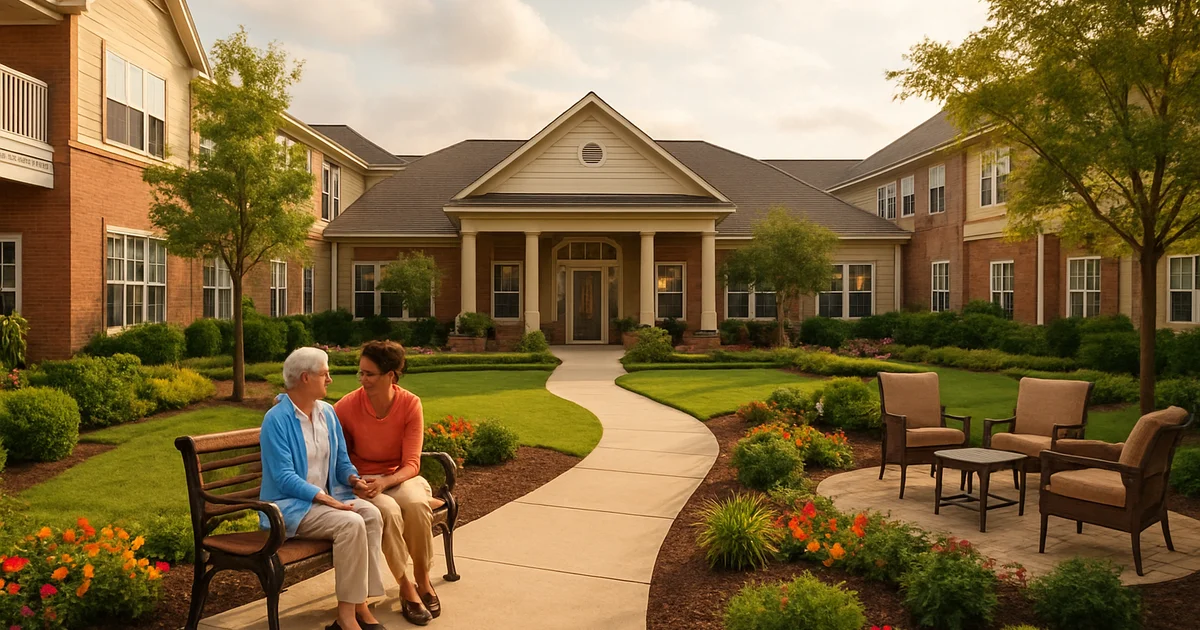
Choosing the right state for memory care can feel overwhelming, especially when you’re balancing quality, cost, and your family’s unique needs. Every state offers different resources, programs, and levels of care, which makes location a key factor in this important decision.
This guide highlights five states - Texas, California, Florida, Utah, and Mississippi - that excel in areas like affordability, care quality, and support programs. Whether you’re prioritizing budget-friendly options or advanced care services, this resource will help you make a confident choice for your loved one.
Let’s explore what makes these states stand out and how to find the best fit for your family.
1. Texas
Texas stands out as a leader in memory care, offering affordable options, a wide range of facilities, and tailored support programs designed to meet the needs of seniors and their families.
Quality of Care
Memory care in Texas is overseen by the Health and Human Services Commission, which enforces strict safety measures and requires specialized training for staff. The state also partners with academic institutions to advance research and develop better treatments, ensuring residents benefit from the latest advancements in care.
Affordability
Texas makes memory care more accessible with Medicaid support and senior-friendly tax policies, helping families manage costs without compromising on quality.
Availability of Specialized Facilities
From bustling cities to quiet rural areas, Texas boasts a vast network of licensed memory care facilities. This ensures families can find quality care options close to home, no matter where they live in the state.
State-Specific Support Programs
Texas offers a variety of support programs tailored to meet the needs of caregivers and families. These include funding for respite care and adult day services, as well as caregiver training. Additionally, 24/7 helplines and services for veterans provide extra assistance during challenging transitions.
Texas' approach creates a strong foundation for exploring how other states, like California, address memory care needs.
2. California
California stands out for its wide range of memory care options, backed by strict regulations, advanced care practices, and strong community resources.
Quality of Care
The state ensures high standards through thorough inspections and mandatory staff training. Additionally, partnerships with nearby academic institutions help drive advancements in care methods, keeping facilities updated with the latest practices.
Affordability
While California is known for its high cost of living, targeted financial assistance programs are available to help ease the expense of memory care, making it more accessible for families in need.
Availability of Specialized Facilities
From small community-based homes to large, specialized centers, California offers a variety of care settings. For those opting to remain at home, adult day care programs provide additional support and services.
State-Specific Support Programs
California also offers a range of local resources, including care planning services, support groups, and respite care options designed to assist both individuals and their caregivers.
California’s comprehensive approach provides a strong framework for addressing memory care needs. Up next, we’ll explore how Florida approaches memory care in its own way.
3. Florida
Florida provides a variety of memory care services, backed by thorough regulations and active community programs.
Quality of Care
Florida ensures high standards in memory care through regular inspections. Staff in these facilities receive specialized training to care for individuals with memory-related conditions, and many centers follow care practices grounded in research. The state’s warm weather also allows for outdoor activities, which can be beneficial for cognitive health.
Affordability
With no state income tax, Florida offers financial relief for long-term care expenses. Residents may also qualify for financial assistance programs, such as Medicaid waivers and community-based services, making memory care more accessible for those in need.
Availability of Specialized Facilities
The state is home to numerous assisted living centers with dedicated memory care units. Additionally, adult day programs provide opportunities for respite care and social interaction, offering valuable support for families.
State-Specific Support Programs
Florida’s Department of Elder Affairs, along with regional agencies, coordinates a variety of programs to support those with memory conditions. These include care coordination, educational resources, and support groups. Many communities also host regular gatherings where individuals and caregivers can find connection and encouragement.
Florida’s well-regulated facilities and extensive support services create an environment where memory care can flourish. Up next, discover how Utah takes its own unique approach to memory care.
4. Utah
Utah provides a variety of memory care options, reflecting its commitment to quality services and community-focused support.
Quality of Care
Memory care facilities in Utah follow state licensing standards, ensuring a baseline of care. Many of these facilities go further by prioritizing practices that uphold residents' dignity, encourage independence, and focus on personalized care plans. This approach not only improves the quality of life but also creates more affordable care options.
Affordability
Thanks to Utah's relatively low cost of living, memory care services are often more accessible to families. Additionally, various support programs are available to help eligible individuals manage care-related expenses.
Availability of Specialized Facilities
Memory care services in Utah are widely available, catering to both urban and rural communities. Larger cities like Salt Lake City host a range of facilities specifically designed to meet the needs of those requiring memory care.
State-Specific Support Programs
Utah offers a variety of resources through local and state agencies to help families navigate memory care options. Community organizations also play a key role by providing educational materials, support groups, and events that connect families to the services they need.
This snapshot of Utah highlights its diverse memory care options and the resources available to support residents and their families.
sbb-itb-657e8c4
5. Mississippi
Mississippi stands out as a state that prioritizes affordability and community-driven support in memory care. While it may not boast advanced technology or extensive care options, its commitment to cost-effective services is unmatched. In 2026, Mississippi will have the lowest memory care costs in the nation, even as dementia cases are projected to grow by 14% - rising from under 60,000 in 2020 to over 65,000 this year. This balance of affordability and regulatory oversight makes Mississippi a unique case for evaluating memory care programs.
Quality of Care
Memory care facilities in Mississippi are classified as personal care homes with added regulations for Alzheimer's Disease and Dementia Care Units. The state enforces staffing ratios of 1:15 during the day and 1:25 at night, along with requiring a licensed nurse to be on-site for at least eight hours daily. While these measures ensure a basic standard of care, Mississippi faces challenges, including the second-highest Alzheimer’s death rate in the country. For context, Alzheimer’s-related deaths in the state reached 1,700 in 2019, marking a 275% increase since 2000. These statistics highlight the importance of robust state support programs to address gaps in care quality.
Affordability
Mississippi consistently ranks as one of the most budget-friendly states for memory care. Monthly costs for memory care services range from $4,679 to $5,295, which is well below national averages. However, prices vary by location - with Holly Springs offering the lowest rates at $3,347, while Starkville reaches $5,875. Between 2022 and 2023, costs increased by 7%, and the 2024 projection indicates a further rise to $4,931, representing a 5.5% increase. Even with these adjustments, Mississippi remains a cost-effective option compared to neighboring states.
State-Specific Support Programs
Mississippi offers several programs aimed at easing the financial and caregiving burden for families:
- Assisted Living Waiver (ALW): This Medicaid waiver helps cover costs for personal care in assisted living facilities. Services include case management, attendant care, medication oversight, homemaker assistance, transportation, social activities, and skilled nursing. To qualify, individuals must be 65 or older, require help with daily activities, and meet Medicaid income criteria.
- Elderly and Disabled Waiver (EDW): This program provides medical and personal care services for those who prefer to remain at home or in their community rather than move to a nursing home. Services include meal delivery, transportation, personal care, housekeeping, case management, and physical therapy. It is available to individuals aged 21 and older who need nursing home-level care.
- Mississippi Family Caregiver Support Program: This initiative works with Area Agencies on Aging to provide caregivers with essential resources, including information about services, counseling, support groups, training, and respite care.
- Mississippi Dementia Care Program: Caregivers can access up to 27 hours of respite care per month for one year, offering much-needed relief and support.
- Mississippi Access to Care (MAC) Network: The MAC Network serves as a free, centralized resource for seniors and adults with disabilities. Families can call 844-822-4622 to learn more about available programs and services.
Mississippi's affordable memory care options, combined with its extensive support programs, make it an appealing choice for families seeking cost-conscious solutions. However, the rising dementia population underscores the need for continued investment in care quality and resources.
State Comparison: Advantages and Disadvantages
Based on the earlier state-by-state breakdown, this section highlights the strengths and weaknesses of each state to help you make an informed decision. Every state offers a unique mix of affordability, care quality, facility availability, and support programs, making the right choice dependent on your specific needs and priorities.
Texas offers a well-rounded option with moderate costs and thorough regulatory oversight. It boasts a variety of facilities and a growing infrastructure. However, increasing demand could drive up costs and create disparities in service availability.
California is known for its focus on high-quality care and advanced practices. The state provides extensive support programs and innovative care options, but these benefits come with higher costs, making it more suitable for families with larger budgets. Facility access can also be competitive due to demand.
Florida combines affordability with specialized care, making it a popular choice for retirees. Its established systems offer a wide range of facilities, but the large senior population can lead to competition for premium services. Additionally, hurricanes pose a seasonal risk that could disrupt care.
Utah emphasizes community-focused care, reasonable costs, and family support. The state also promotes modern care models, creating a nurturing environment for residents and caregivers alike. However, some regions have fewer facilities, which may limit options.
Mississippi is an affordable choice with strong state support programs, making it ideal for families on a tighter budget. The trade-off is a smaller selection of advanced care services and fewer high-end facilities.
| State |
Advantages |
Disadvantages |
| Texas |
Moderate costs, strong regulatory oversight, diverse facilities, growing infrastructure |
Rising demand may increase costs and create uneven service availability |
| California |
Advanced care practices, robust support programs, high quality standards |
High costs; competitive facility access |
| Florida |
Affordable options, established systems, wide facility selection, retiree-friendly |
Large senior population creates competition; potential care disruptions during hurricanes |
| Utah |
Community-focused care, affordable pricing, strong family support, modern care models |
Limited facility availability in some areas |
| Mississippi |
Budget-friendly care, strong state support programs |
Fewer advanced services and high-end facilities |
This comparison underscores the need to consider both benefits and drawbacks when choosing a state for memory care. While California and Florida excel in quality and variety, they come with higher costs. Texas offers a balanced approach with room for growth, whereas Utah shines for its community-driven care and affordability. Mississippi, on the other hand, is a cost-effective option but may lack certain advanced services.
Families should carefully evaluate what matters most - be it cutting-edge care, affordability, or a balance of both. For those prioritizing top-tier services, California might be the best fit, while Mississippi could be ideal for those seeking budget-friendly care. Ultimately, the decision should align with your family's financial situation and care requirements.
Each state’s approach reflects a distinct philosophy in delivering memory care services.
Conclusion
Each state brings its own strengths when it comes to memory care, with differences in quality, cost, and available support programs. Finding the right fit for your family in 2026 means carefully weighing these factors to meet your unique needs.
Texas offers a balanced approach with moderate costs and solid regulatory oversight.
California stands out for its forward-thinking care models, though at a higher price.
Florida provides retirees with competitive rates and strong support networks, while
Utah focuses on community-oriented care and family involvement. For those watching their budget,
Mississippi delivers affordable options backed by helpful state assistance programs.
If your budget allows, California’s innovative care might be the right choice. For more affordable yet comprehensive options, Texas and Utah are excellent contenders. Florida is an attractive option for retirees, and Mississippi works well for families prioritizing affordability.
Beyond location, it’s essential to consider other factors like the quality of facilities, staff expertise, and the availability of specialized programs. Proximity to loved ones, climate preferences, and insurance coverage also play a role in making the best decision.
At
Ultimate Senior Resource, we’re here to guide you through the process, helping you navigate these decisions with clarity and confidence. Whether you’re exploring nearby facilities or thinking about relocating, the key is to choose a memory care option that aligns with your family’s priorities and financial situation.
FAQs
How do state support programs improve memory care for families and caregivers?
State support programs are a key resource for families navigating the challenges of memory care. They provide
financial assistance,
training for caregivers, and access to
specialized services, helping families manage caregiving responsibilities while reducing stress.
Many states also offer respite care programs, giving caregivers essential breaks to recharge. Initiatives like the National Family Caregiver Support Program go further by emphasizing caregiver education and linking families to local resources. These efforts aim to improve care and enhance the quality of life for individuals living with memory-related conditions such as Alzheimer's and dementia.
What should families look for when comparing states for memory care services?
When evaluating states for memory care, it’s essential to focus on
quality of care. This includes factors like how well staff are trained, the ratio of residents to caregivers, and whether the environment is both safe and engaging for those with memory-related conditions. These elements can make a significant difference in the daily well-being of your loved one.
Affordability is another important consideration, as costs can vary greatly depending on the state, the amenities offered by the facility, and the payment methods accepted. Options like private pay, Medicaid, or insurance can help offset expenses, but it’s crucial to understand what’s available in your chosen location.
You’ll also want to explore state-specific support programs and whether there are specialized facilities designed for conditions such as Alzheimer’s or dementia. Balancing cost with quality ensures your loved one receives care that not only meets their needs but also provides them with a safe and supportive environment.
How will the rising number of dementia cases affect the availability and quality of memory care services in the future?
The rising number of dementia cases in the U.S. is set to put significant strain on memory care services. Experts estimate that by 2060, the number of individuals living with dementia could double. This surge will likely lead to increased demand for specialized facilities, skilled caregivers, and programs supported by state resources. States with limited infrastructure or a higher prevalence of dementia may face even greater challenges in meeting these needs.
Meeting this growing demand will require states to expand their capacity, improve care standards, and invest in new approaches to support those living with conditions like Alzheimer's and dementia. For families, it's essential to keep these factors in mind when exploring memory care options for their loved ones. Choosing a facility that aligns with current and future care needs can make a significant difference in ensuring quality support.