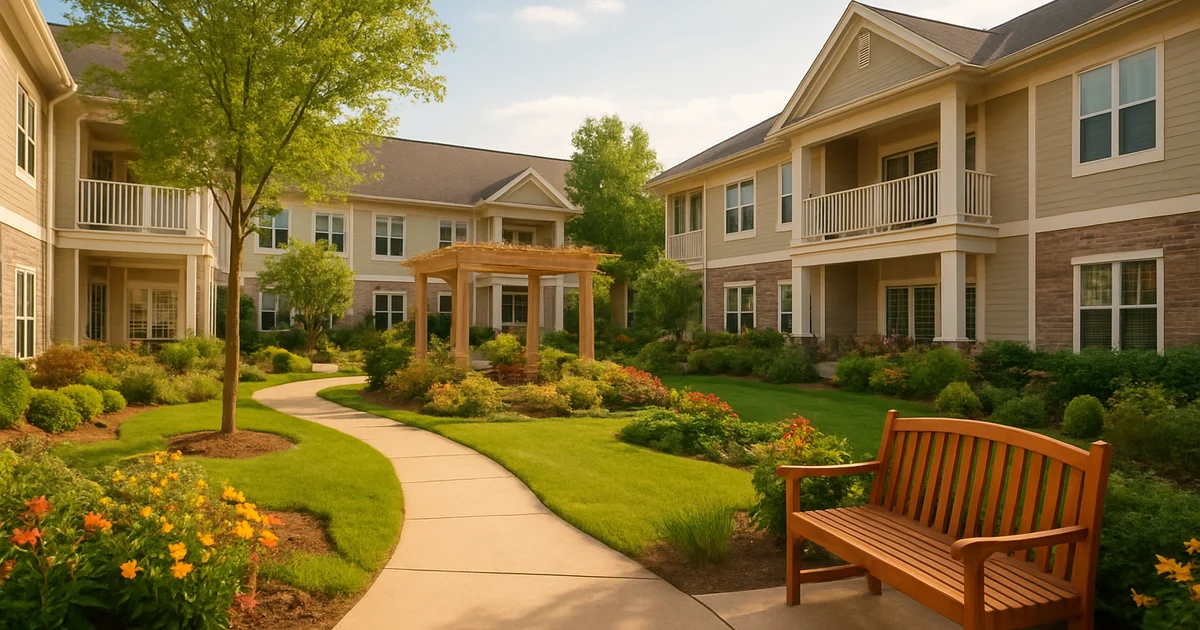
Choosing the right senior living option can feel overwhelming, especially when you’re trying to stay together as a couple. As health needs change or daily tasks become harder, the fear of separation often looms large. But there are options that let you maintain your independence, dignity, and connection with your partner.
This guide breaks down independent living communities and other housing choices designed for senior couples. You’ll learn about costs, services, and how to plan for future care needs - all while keeping your relationship and lifestyle at the heart of the decision-making process.
Let’s explore how you can find a living arrangement that supports both your independence and your togetherness.
What Are Independent Living Communities
Independent Living Basics
Independent living communities cater to adults aged 55 and older who value their independence but also enjoy the benefits of living in a supportive, social environment. These communities strike a balance between privacy and connection, offering services like housekeeping, meal preparation, and property maintenance to ease the responsibilities of homeownership.
Beyond convenience, they promote healthy aging with amenities such as transportation services, fitness centers, and organized social activities. Safety is also a priority, with features like secure entry systems and well-lit shared spaces, helping residents feel at ease and reducing the risks of social isolation.
The core philosophy of independent living is to honor residents' autonomy and freedom of choice. Couples, for example, can decide how much they want to engage in community events, stick to their own routines, and personalize their living spaces. This flexible, resident-centered approach sets independent living apart from the more structured environments of assisted living or nursing homes.
Understanding these fundamentals makes it clear how independent living stands out as a distinct option for those seeking a low-maintenance lifestyle without the need for medical care.
How Independent Living Differs from Other Care Options
When exploring senior living options, it’s important to understand how independent living compares to other care settings. Independent living communities are not designed to provide hands-on assistance with daily tasks. Instead, they function more like age-restricted neighborhoods, offering added conveniences and amenities.
Assisted living communities, on the other hand, are geared toward individuals who need help with activities of daily living (ADLs), such as bathing, dressing, and managing medications. These facilities typically provide personalized health care services and structured schedules, serving over 1 million Americans who require regular support. For those needing even more intensive care, nursing homes offer 24/7 access to licensed nursing staff and comprehensive medical services in a clinical environment.
| Care Option |
Monthly Cost (2024) |
Care Level |
Staffing |
Environment |
| Independent Living |
$3,145 |
No medical care |
Nurse on-site a few days/week |
Residential, apartment-style |
| Assisted Living |
$5,190 |
ADL assistance and health services |
24/7 caregivers and nursing team |
Structured residential |
| Nursing Home |
Varies widely |
24/7 medical care |
Licensed nursing staff around-the-clock |
Clinical setting |
Regulations also vary significantly. Independent living communities are generally regulated like standard apartment complexes, while assisted living and nursing homes must meet strict healthcare-related standards.
For couples, these differences can be especially meaningful. Independent living allows them to maintain their routines and share in decision-making without the constraints of structured care schedules. Some communities even offer multiple levels of care on the same campus, enabling couples to stay together as their needs evolve. Additionally, many independent living communities include an assisted living component, making it easier for residents to transition to higher levels of care without the stress of relocating.
Housing Options for Senior Couples
When senior couples transition from homeownership, they have several housing choices tailored to their needs. These options vary in community involvement, care flexibility, and financial arrangements, ensuring couples can find a solution that suits their lifestyle and budget. Importantly, these housing choices prioritize independence and togetherness as couples age.
Let’s explore housing options that help couples stay connected while aging comfortably.
Senior-Friendly Apartments and Homes
Senior-friendly apartments and homes are designed for adults aged 55 and older, offering private and accessible living spaces. These residences often include features like wider doorways for wheelchairs, hand-held showers, and emergency alert systems, all while allowing couples to maintain their independence.
One of the biggest benefits of these living arrangements is the reduced burden of homeownership. Services like home maintenance, landscaping, and light housekeeping are typically included, freeing up time for couples to enjoy their retirement years together.
For those on a budget, several nonprofit organizations focus on affordable senior housing:
- Volunteers of America: Operates 500 properties across 42 states.
- HumanGood: Serves residents in California, Delaware, Oregon, Pennsylvania, and Washington.
- Good Samaritan Society: Offers options for individuals aged 50 and older.
- Mercy Housing: Focuses on low- and moderate-income populations.
Downsizing to a smaller space requires thoughtful planning. Dr. Melissa Henston, a geriatric psychologist, underscores the importance of tailoring housing choices to each partner’s needs:
"Couples want companionship, and people are living longer, so they need adequate space and unique health care arrangements for spouses with different care needs."
Many couples find two-bedroom units beneficial, as they allow for separate sleeping areas or provide extra space for hobbies and work. However, these larger units often have waiting lists, so it’s wise to plan ahead.
For couples who enjoy a more collaborative lifestyle, co-housing offers a distinctive option.
Co-Housing Arrangements
Co-housing combines private living spaces with shared common areas, fostering an active and engaged community. These setups include private homes or apartments alongside communal spaces like kitchens, dining rooms, and recreational facilities.
In co-housing communities, residents either own or rent their units while sharing responsibilities for community maintenance and decisions. This approach allows couples to maintain privacy while building strong social connections and support networks. Many residents assist one another with daily tasks, creating a natural safety net that can be reassuring for aging couples.
The collaborative nature of co-housing gives couples a voice in shaping their environment. Regular community meetings allow residents to address concerns, plan activities, and make decisions about shared spaces and services. This level of involvement appeals to couples who want more control over their living arrangements compared to traditional senior communities.
Co-housing can also be more budget-friendly than full-service independent living communities, as residents share costs and contribute labor for maintenance. However, this model requires active participation, which may not suit couples who prefer a more hands-off lifestyle.
Continuing Care Retirement Communities (CCRCs)
Continuing Care Retirement Communities offer a comprehensive solution for couples uncertain about their future care needs. These communities house multiple levels of care - independent living, assisted living, and skilled nursing - all on the same property, allowing couples to transition seamlessly as their needs change.
CCRCs typically require a significant upfront payment, averaging $402,000, with monthly fees around $3,555. Independent living costs range from $3,000 to $6,000 per month. While the financial commitment is substantial, these communities provide long-term stability and eliminate the stress of future relocations.
One of the greatest advantages of CCRCs is their ability to accommodate differing care needs within the same community. For example, if one spouse develops dementia or requires assisted living, they can receive the necessary care while the other spouse continues to live independently. This setup allows couples to stay close while ensuring each partner receives appropriate support.
Additionally, many CCRCs offer resort-like amenities such as fitness centers, swimming pools, golf courses, and fine dining. However, demand for couples’ units often leads to waiting lists, so early application is essential.
While CCRCs may not be the right fit for every couple due to the financial commitment, they provide peace of mind for those who can afford them. The ability to age in place with increasing support makes them an appealing choice for couples planning for their later years together.
Services and Amenities for Couples
Independent living communities recognize that couples have their own set of needs and preferences, which often differ from those of single residents. These communities offer services and amenities designed to support shared experiences, while still respecting each partner's independence. Many also provide couple-friendly pricing, making it easier for partners to transition into this new chapter of life together.
Core Services
To simplify daily life, these communities provide essential services that allow couples to focus on what matters most. Housekeeping services take care of cleaning and maintenance, freeing up time for couples to enjoy hobbies or relax. Transportation options ensure that both partners can attend medical appointments, run errands, or participate in social outings - even if driving is no longer an option. Emergency response systems provide peace of mind by delivering immediate assistance when needed, and flexible dining plans make it easy for couples to share meals without the hassle of cooking or shopping.
Shared Amenities
In addition to practical services, shared amenities encourage social connection and active living, which are especially important for emotional well-being. Research shows that 24% of Americans aged 65 and older experience social isolation, so these offerings help couples stay engaged and connected.
Communities often include amenities such as group fitness classes, social gatherings like holiday celebrations and live performances, serene walking paths and gardens, creative workshops, scheduled outings to museums and concerts, book clubs and discussion groups, and communal kitchens with cooking classes. These activities give couples opportunities to stay active, meet neighbors, explore new interests, and enjoy both lively events and peaceful moments together.
Choosing the perfect independent living community involves weighing several factors that can influence both partners' daily lives and long-term well-being. For couples, the process can be even more intricate as you balance the needs of two individuals. Starting your search early allows ample time for both partners to contribute to the decision and secure a spot in a community that feels right.
Evaluating Facilities and Amenities
The first step in finding the right community is identifying what both partners
need versus what they
want. Start by
creating a list of essential needs - this might include medical care, assistance with daily activities, social opportunities, independence, and financial considerations. Having this list helps you focus on priorities and avoid feeling overwhelmed by the many options.
Location matters. Opt for a community within a 40-minute drive of family and essential services. This proximity makes it easier to stay connected and ensures access to emotional and social support. Additionally, being near hospitals, doctors' offices, and familiar surroundings can provide a sense of comfort and security.
Financial planning is key. Carefully review the fee structure to understand what’s included and what might come with extra costs. This step can help you avoid surprises and plan for long-term affordability.
Visit the community at different times of day to get a sense of its daily rhythm. Observing during varied hours lets you see how the staff operates, how clean and welcoming the spaces are, and whether the social environment feels inviting to both partners. Attending resident events is particularly helpful for assessing how couples interact and whether the community feels like a good fit.
Speaking with other couples already living in the community can provide valuable insights.
Ask about their experiences, what drew them to the community, and whether it has met their expectations. These candid conversations often reveal practical details that brochures and tours might not cover.
Planning for Future Care Needs
While current amenities are essential, it’s equally important to think about how the community can adapt as care needs evolve. For couples, one of the biggest concerns is how the community handles situations where each partner may require different levels of care over time.
Ask detailed questions about how these scenarios are managed and what support systems are in place.
Communities that offer a
continuum of care - including independent living, assisted living, skilled nursing, and memory care - provide more flexibility for couples. This arrangement ensures that even if one partner’s health changes significantly, you can remain close to each other without needing to relocate.
Professional assessments can guide your decision. Consulting with a geriatric care manager, doctor, or social worker can help identify potential future care needs. These evaluations provide an objective perspective on what type of support might be required down the road, helping you choose a community equipped to meet those needs.
Review contracts carefully, particularly clauses related to transitioning between care levels and financial adjustments. Knowing how costs will change if one partner requires additional care can help you plan effectively. Some communities allow third-party home care providers on-site, offering additional flexibility without requiring a move.
"Family members who help provide care and advice should listen carefully to what the couple needs and wants before making any placement decisions." - Dr. Melissa Henston, Geriatric Psychologist
Emergency preparedness and security measures are also crucial. Evaluate how the community handles medical emergencies, the availability of on-site medical support, and their overall safety protocols. Knowing these details can provide peace of mind and ensure that both partners will be cared for in critical moments.
Finally, consider how the community aligns with your relationship and lifestyle. Think about whether you prefer a more private environment or enjoy socializing, how much independence each partner values, and what activities or amenities would enhance your shared life. The ideal community should feel like a natural extension of your current lifestyle while offering the support and security you need for the years ahead.
sbb-itb-657e8c4
Comparing Independent Living Options
This section breaks down the differences in cost, services, and flexibility among housing options for senior couples. Each choice has its own set of strengths and challenges, so it’s important to align them with your priorities.
Side-by-Side Comparison
When it comes to housing options for senior couples, the three main choices -
senior-friendly apartments,
co-housing arrangements, and
Continuing Care Retirement Communities (CCRCs) - vary widely in terms of cost, lifestyle, and adaptability to changing needs.
- Senior-Friendly Apartments: These are often the most budget-friendly option, with monthly costs ranging from $1,500 to $6,000, depending on location and amenities. They are designed with accessibility in mind and may offer some social activities, but they typically lack care services or meal plans. If care becomes necessary, moving to a different facility is usually required.
- Co-Housing Arrangements: These communities sit between the other options in terms of cost and services. They focus on shared decision-making and active participation in community management, fostering close social connections. Costs vary by community, and while they provide some community-based support, the level of care and flexibility depends on the specific setup.
- Continuing Care Retirement Communities (CCRCs): CCRCs offer a comprehensive solution, combining independent living with assisted living, memory care, and skilled nursing - all within one community. The upfront buy-in cost averages $402,000, with monthly fees typically ranging from $3,000 to $6,000, increasing as care needs grow. This option ensures seamless transitions between care levels without requiring relocation, making it ideal for couples who prioritize stability and long-term planning.
Here’s a quick comparison of the key differences:
| Housing Option |
Monthly Cost Range |
Care Services |
Flexibility for Changing Needs |
| Senior-Friendly Apartments |
$1,500 - $6,000 |
Limited or none |
Requires relocation for care |
| Co-Housing Arrangements |
Varies by community |
Community-based support |
Moderate; depends on community |
| CCRCs |
$3,000 - $6,000+ |
Full continuum available |
Highest – seamless transitions |
Additional Considerations
Beyond monthly costs, think about how services and social opportunities are bundled. For instance, while CCRCs require a significant upfront investment, their all-inclusive approach can reduce long-term costs compared to senior-friendly apartments, where services like meals and care are typically charged separately. Independent living communities often include structured social programs, while co-housing relies on resident-driven engagement, and senior-friendly apartments may require more personal initiative to stay socially active.
The right choice ultimately depends on your health, financial situation, and how involved you want to be in a community. Couples seeking an affordable, independent lifestyle may lean toward senior-friendly apartments, while those prioritizing stability and comprehensive care often opt for CCRCs. Co-housing can be a great fit for those who enjoy hands-on involvement and a strong sense of community.
Navigating the search for independent living options as a couple can feel overwhelming, but Ultimate Senior Resource is here to simplify the process. By offering
personalized support and expert advice, the service makes it easier for couples to find the right solution that fits their needs and lifestyle.
Personalized Matching Process
Ultimate Senior Resource begins with a thoughtful, interactive questionnaire designed to uncover what truly matters to you as a couple. This approach goes beyond generic recommendations, focusing on your specific needs - whether it's care requirements, lifestyle preferences, budget considerations, or timeline goals.
The matching process carefully considers details like apartment layouts, social programs tailored for couples, and locations that keep you connected to loved ones. Representing a wide range of communities, from independent living to assisted living and memory care, Ultimate Senior Resource ensures you'll find options that meet your current needs while also planning for possible future changes.
Instead of spending countless hours researching and comparing facilities, this service streamlines the process, connecting you with communities that align with your unique preferences. Whether you're looking for a simple senior-friendly apartment or a Continuing Care Retirement Community (CCRC) offering multiple levels of care, Ultimate Senior Resource identifies the best matches for you.
Financial considerations are also a key part of the matching process. The service helps couples evaluate not just monthly costs but also entrance fees, included services, additional expenses, and how costs might adjust if one partner requires a higher level of care later on. This ensures you have a clear understanding of the financial landscape before making any decisions.
And it doesn’t stop there - Ultimate Senior Resource continues to support couples throughout the entire transition process.
Expert Guidance for Couples
Ultimate Senior Resource provides
pressure-free, complimentary guidance to help couples make decisions at their own pace. There’s no rush or obligation - just expert advice tailored to your situation.
The support goes beyond simply finding the right community. The service helps couples determine the best time to transition to senior living, which can be challenging when partners have different levels of comfort with the idea. They also offer resources for starting conversations about senior living, comparing communities and their costs, and preparing for a smooth move.
For those who prefer to explore options independently, Ultimate Senior Resource provides detailed information and resources without requiring immediate engagement with communities. This allows couples to research together, discuss their findings, and make informed decisions on their own timeline.
When you're ready to take the next step, Ultimate Senior Resource connects you with communities that meet strict quality and care standards. They only work with licensed communities that have a proven track record and positive feedback from families, giving you confidence in your choices.
The guidance process is sensitive to the fact that couples often have
different priorities and concerns. One partner may prioritize maintaining independence, while the other may focus on future care needs. The advisors at Ultimate Senior Resource understand these dynamics and work to find solutions that address both perspectives, ensuring that both partners feel heard and supported.
Throughout the entire journey, couples remain in full control of their decisions. Ultimate Senior Resource provides the expertise and tools to simplify the process, but the final choices are always yours. This approach helps reduce stress and allows couples to focus on what truly matters - finding a community where they can enjoy their lives together with the support and amenities they need to thrive.
Conclusion: Staying Together Through Senior Care
Finding the right independent living option as a couple doesn’t have to feel overwhelming. Starting the conversation early and working through the process together can make all the difference. As geriatric psychologist Dr. Melissa Henston points out,
"The strength of the marriage or partnership must be taken into consideration" when navigating these decisions.
One of the keys to a smooth transition is open communication. Couples can benefit from creating a shared list of priorities - covering medical needs, daily routines, social preferences, and financial considerations - and visiting potential communities together. This ensures that both partners feel heard and valued throughout the decision-making process.
Oasis Senior Advisors offers this reassurance:
"You'll feel empowered knowing you are in the driver's seat with your future plans, including where you might want to live should you feel lonely, unsupported, or unsafe at home." Taking the time to explore your options allows you to find a place that feels like home for both of you, with amenities that match your lifestyle and needs.
Independent living is about maintaining your freedom for as long as possible. Whether you opt for a senior-friendly apartment, co-housing arrangement, or a Continuing Care Retirement Community, the focus is on creating an environment where you can enjoy your time together without the stress of home maintenance or daily chores.
Professional guidance can also be invaluable during this process. Senior care advisors can help you navigate the wide range of options, clarify fee structures for couples, and identify communities that provide the flexibility to adapt as your needs evolve. Dr. Henston emphasizes the importance of family members listening carefully to the couple’s wishes:
"Family members who help provide care and advice should listen carefully to what the couple needs and wants before making any placement decisions."
FAQs
What should couples think about when deciding between senior-friendly apartments, co-housing, and Continuing Care Retirement Communities (CCRCs)?
When weighing options like senior-friendly apartments, co-housing, or
Continuing Care Retirement Communities (CCRCs), couples should take several important aspects into account:
- Location: How close is it to family, friends, and essential services like healthcare or shopping?
- Budget: Consider the monthly expenses, any upfront fees, and how manageable the costs will be over time.
- Amenities and services: Look into offerings such as meal plans, transportation, fitness programs, or social activities.
- Level of care: Assess current health needs and whether the option provides access to additional care if needed in the future.
- Lifestyle preferences: Think about whether you value independence, want to be part of a vibrant community, or prefer a mix of both.
CCRCs are a good choice for couples looking for a single location that can adapt to changing health needs, providing peace of mind as circumstances evolve. On the other hand, senior-friendly apartments and co-housing are better suited for those prioritizing independence and a sense of community, with varying levels of support available. By carefully considering these factors, couples can choose an option that aligns with their lifestyle and long-term plans.
What are the best senior living options for couples to stay together if one partner's care needs change over time?
Couples have the opportunity to stay together by exploring senior living options designed to meet diverse care needs. Communities like assisted living facilities with memory care or Continuing Care Retirement Communities (CCRCs) provide personalized solutions, ensuring one partner can receive the care they require while the other maintains their independence.
Home care services also present a wonderful alternative, allowing couples to remain in the comfort of their own home while adapting to changing care needs over time. When evaluating options, focus on services and amenities that emphasize flexibility, independence, and companionship for both partners.
How can senior couples balance their individual needs while transitioning to independent living communities?
Balancing the needs of both partners in a couple begins with
open and honest communication about what matters most to each person. Whether it’s preferences for daily routines, hobbies, or levels of care, taking time to understand each other’s priorities is key.
When exploring independent living communities, consider those that offer
flexible living arrangements, such as shared apartments for togetherness or private spaces for moments of solitude. These options can help create a balance that respects both shared and individual lifestyles.
Equally important is finding a community with
personalized services. Look for features like adaptable meal plans, tailored activities, and care options that address each partner’s unique needs. Revisiting these choices regularly and making adjustments as circumstances change ensures both partners can enjoy a sense of independence while maintaining their connection in a supportive environment.