What is the difference between memory care and assisted living?
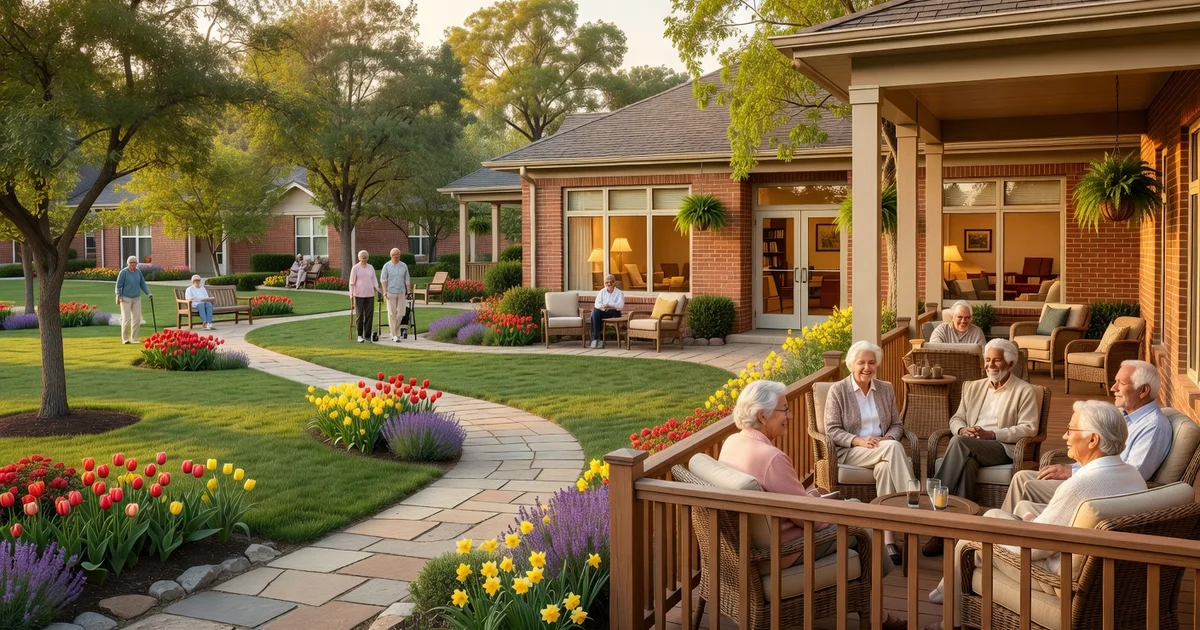
Memory care is a specialized form of long-term care designed specifically for individuals with Alzheimer's disease, dementia, and other cognitive impairments. Unlike standard assisted living, memory care communities feature secure, enclosed environments to prevent wandering, with staff trained in dementia care techniques and behavioral management. Memory care provides a higher staff-to-resident ratio—typically 1:6 compared to 1:10 in assisted living—and structured daily programming designed to reduce confusion and agitation. The physical environment includes visual cues, circular walking paths, and reduced stimulation to accommodate cognitive decline. Assisted living, by contrast, serves seniors who need help with daily activities but don't require the specialized supervision and therapeutic interventions that memory care provides. Most assisted living communities cannot legally accept or retain residents with moderate to advanced dementia due to staffing and safety limitations.
How much does memory care cost in the United States?
Memory care costs in the United States average $5,250 to $6,935 per month nationally, according to 2024 data, though prices vary significantly by region. In expensive markets like California, Massachusetts, and New York, monthly costs often exceed $8,500 to $10,000. More affordable states like Missouri, Oklahoma, and Mississippi average $4,200 to $5,500 monthly. Memory care typically costs 20-30% more than assisted living due to specialized staffing, secure environments, and enhanced programming. The national median is approximately $5,850 per month or $70,200 annually. Costs generally include 24-hour supervision, three meals daily, medication management, personal care assistance, and dementia-specific activities. Additional fees may apply for incontinence care (averaging $200-500/month), higher levels of care (tiered pricing adding $500-1,500/month), and specialized services. Most communities require a community fee or deposit of $1,000 to $5,000 upon move-in.
What stage of dementia requires memory care?
Memory care becomes appropriate when dementia progresses to moderate stages (typically Stage 4-5 on the seven-stage Global Deterioration Scale) where safety concerns and care needs exceed what family caregivers or standard assisted living can provide. Specific indicators include: wandering or getting lost in familiar places, significant confusion about time and place, requiring assistance with activities of daily living like bathing and dressing, behavioral changes including aggression or sundowning, forgetting family members or important life events, and inability to safely manage medications. Many families transition to memory care when a loved one can no longer be left alone safely, experiences repeated falls, or when caregiver burnout becomes critical. Early-stage dementia patients may thrive in assisted living with memory support programs, but as the disease progresses, the secure environment and specialized care of dedicated memory care becomes essential. Medical professionals recommend considering memory care when supervision needs exceed 12-16 hours daily or when behavioral symptoms create safety risks.
Does Medicare cover memory care costs?
Medicare does not cover the residential costs of memory care, as it classifies memory care as custodial care rather than skilled nursing. However, Medicare Part A may cover short-term stays (up to 100 days) in a skilled nursing facility following a qualifying hospital stay of at least three days, even if the facility has a memory care unit. Medicare Part B covers doctor visits, outpatient therapy, and medical equipment used within memory care communities. Some Medicare Advantage plans (Part C) offer limited additional benefits. For long-term memory care coverage, families typically rely on: long-term care insurance (covering 50-100% of costs if purchased before diagnosis), Medicaid (covering memory care in approved facilities after spending down assets to state limits, typically $2,000-2,500 in countable assets), Veterans Aid & Attendance benefits (providing up to $2,431/month for qualifying veterans or surviving spouses), or private pay through savings and asset liquidation. Approximately 70% of memory care residents initially private pay, with many transitioning to Medicaid as resources deplete.
How do I choose the right memory care community?
Selecting the right memory care community requires evaluating multiple factors beyond cost. First, verify state licensing and specialized memory care certification—32 states have specific regulations for memory care units. Tour at least 3-5 communities, visiting during different times including meals and activities. Assess the staff-to-resident ratio (ideal is 1:6 or better during day shifts, 1:8 overnight), staff tenure (turnover below 30% annually indicates stability), and dementia-specific training hours (minimum 12 hours annually per caregiver). Examine the physical environment for secure outdoor spaces, circular walking paths, visual cues for wayfinding, and appropriate lighting. Evaluate programming—effective memory care offers 6-8 structured activities daily based on residents' past interests and abilities. Ask about care level accommodations and whether residents must transfer out as dementia progresses. Review move-out policies, as some communities require transfer to skilled nursing for end-stage care. Request references from current families and check state inspection reports online for deficiencies or complaints.
What does a typical day look like in memory care?
A typical day in memory care follows a structured routine designed to reduce anxiety and provide meaningful engagement. Mornings begin with wake-up assistance between 7-9 AM, followed by help with bathing, dressing, and grooming. Breakfast is served in a dining room setting, often with staff providing cueing and assistance. Mid-morning activities (9:30-11 AM) might include reminiscence therapy, music programs, gentle exercise, or sensory stimulation. Lunch occurs around noon with socialization encouraged. Afternoon programming (1-3 PM) features cognitive games, art therapy, pet therapy, or outdoor walks in secured gardens. Many residents rest or have quiet time mid-afternoon. Dinner is served around 5-6 PM, followed by calming evening activities like movie viewings or small group gatherings. Staff assist with evening routines and medication administration. The schedule remains consistent to provide predictability, but activities are adapted to individual abilities and preferences. Staff conduct regular wellness checks, medication passes occur 2-4 times daily, and care plans are reviewed monthly to adjust support as needs change.
How long do people typically stay in memory care?
The average length of stay in memory care is 2.5 to 3 years, though this varies significantly based on the stage of dementia at admission and individual disease progression. Residents who enter memory care in early to moderate stages may reside there for 4-6 years, while those admitted in advanced stages may stay 1-2 years. Approximately 40% of memory care residents eventually require transfer to skilled nursing facilities for end-stage dementia care when medical needs exceed memory care capabilities, such as requiring tube feeding, extensive wound care, or 24-hour nursing supervision. About 35% of residents remain in memory care through end-of-life with hospice support brought into the community. The remaining 25% pass away from other health conditions or complications. Factors affecting length of stay include: age at admission (younger residents typically stay longer), type of dementia (Alzheimer's progression averages 8-10 years from diagnosis, while vascular dementia may progress faster), overall health status, and the community's ability to provide late-stage care.
What is the best way to transition a loved one to memory care?
Successful transitions to memory care require careful planning and often benefit from therapeutic fibbing to reduce resistance. Begin by involving your loved one in the process if they're in early stages, framing it as a temporary stay for rehabilitation or a trial period. For moderate to advanced dementia, many families find success with these strategies: Schedule the move for morning when cognition is typically clearest. Set up the room before arrival with familiar belongings, photos, and favorite items to create immediate recognition. Keep the goodbye brief and matter-of-fact—prolonged farewells often increase distress. Many communities recommend family members avoid visiting for 3-7 days to allow adjustment and bonding with staff. When you do visit, keep initial visits short (30-45 minutes) and time them around activities rather than transitions. Expect an adjustment period of 2-6 weeks where your loved one may express wanting to go home, anger, or sadness. Work closely with the community's care team, who can provide updates and guidance. Bring concerns to staff rather than attempting to solve them yourself, as consistency in approach is crucial for adaptation.
Can memory care residents have visitors, and are there restrictions?
Memory care communities welcome visitors, though they implement specific policies to protect resident wellbeing and safety. Most communities allow visiting during daytime and early evening hours (typically 8 AM to 8 PM), with some offering 24-hour access for family members. Visitors must check in at reception and may need to be buzzed through secured doors to prevent residents from wandering out. Communities typically restrict the number of visitors at once (usually 2-4 people) to prevent overstimulation. Children are generally welcome but should be supervised, as noise and unpredictable behavior can agitate some residents. Visitors cannot take residents off the premises without advance notification and staff approval, as routine disruption can cause confusion. During flu season (typically November-March), communities may implement health screenings or restrict visits during outbreaks. Post-COVID, most communities have returned to normal visiting but maintain protocols for infectious disease outbreaks. Some communities offer private dining rooms for family meals or special occasions. Best practice is to coordinate visits around your loved one's optimal times—typically mid-morning or after lunch when they're most alert and receptive.
What happens when dementia progresses beyond what memory care can handle?
When dementia advances to late stages requiring skilled nursing intervention, transition options depend on the community's capabilities and state regulations. Approximately 60% of memory care communities provide care through end-stage dementia with hospice partnerships, while 40% require transfer to skilled nursing facilities when residents need extensive medical management. Triggers for potential transfer include: inability to swallow requiring tube feeding, stage 3-4 pressure ulcers needing specialized wound care, aggressive behaviors requiring chemical or physical restraints, or medical conditions requiring 24-hour RN supervision. Before requiring transfer, many communities implement tiered care pricing, adding $500-2,000 monthly for higher acuity needs. Families should clarify discharge policies during initial tours—ask specifically about the community's capabilities for late-stage care, hospice partnerships, and under what circumstances transfer is required. When transfer becomes necessary, social workers help coordinate placement, typically to a skilled nursing facility with a dementia care unit. Medicare may cover the first 100 days if hospitalization occurred within 30 days. Many families prefer communities that provide continuum care to avoid disruptive late-stage moves.
Are there alternatives to memory care facilities?
Several alternatives to traditional memory care exist, each with distinct advantages and limitations. In-home care with dementia-trained caregivers costs $25-35/hour (averaging $6,000-9,000 monthly for 8-hour shifts), providing one-on-one attention but requiring family oversight and home safety modifications. Adult day programs specializing in dementia care ($75-150/day) offer daytime supervision and activities while allowing seniors to remain home nights and weekends—ideal for early to moderate stages. Memory care assisted living combines traditional assisted living with specialized dementia programming in smaller, integrated settings, costing 10-15% less than dedicated memory care. Continuing Care Retirement Communities (CCRCs) offer memory care as part of a continuum, allowing couples to remain on the same campus—entrance fees range from $200,000-$500,000 plus monthly fees of $3,500-6,000. Shared housing or dementia care homes (6-10 residents) provide intimate, residential settings for $4,500-7,000 monthly. The best alternative depends on dementia stage, budget, family involvement capacity, and whether the individual can safely remain in less secure environments. Most families eventually transition to traditional memory care as disease progression demands specialized security and 24-hour supervision.
How do I pay for memory care if savings run out?
When private funds deplete, several strategies can help cover memory care costs. Medicaid is the primary payer for long-term memory care after asset spend-down, covering approximately 15-20% of memory care residents nationally in Medicaid-certified communities. Eligibility requires reducing countable assets to state limits ($2,000-2,500 for individuals in most states) while protecting exempt assets like a primary residence (in most states), one vehicle, personal belongings, and prepaid funeral plans. The community spouse can retain approximately $148,620 in assets and $3,715 in monthly income (2024 figures). Medicaid planning strategies include: spending down on exempt items, establishing Medicaid-compliant annuities, or creating qualified income trusts in income cap states. Veterans benefits (Aid & Attendance) provide up to $2,431 monthly for wartime veterans or $1,318 for surviving spouses meeting asset and income limits. Long-term care insurance purchased before diagnosis typically covers 50-100% of costs for policy duration. Some families use reverse mortgages, life insurance policy loans, or life settlement options. Bridge loans or Medicaid-pending agreements allow continued residence while Medicaid applications process (typically 45-90 days). Consult an elder law attorney specializing in Medicaid planning to maximize asset protection while qualifying for benefits.
What staff qualifications should I look for in memory care?
Quality memory care requires staff with specialized dementia training beyond basic caregiver certification. Look for communities where direct care staff complete minimum 12-16 hours of dementia-specific training annually, covering topics like communication techniques, behavioral management, person-centered care, and understanding disease progression. Certified Dementia Practitioners (CDP) or Certified Alzheimer's Disease and Dementia Care Trainers (CADDCT) indicate advanced expertise. The executive director should have healthcare administration experience and dementia care specialization. Licensed nurses (RN or LPN) should be on-site during day shifts with 24-hour on-call availability. Medication technicians must hold state certification for medication administration. Staff-to-resident ratios are critical: optimal is 1:6 during day shifts, 1:8 evenings, and 1:10 overnight. Equally important is staff retention—annual turnover below 30% indicates good working conditions and consistent care. Ask about background checks, ongoing training programs, and whether staff receive dementia-specific certifications. Observe staff interactions during tours: they should make eye contact with residents, speak calmly and clearly, and demonstrate patience. Staff should know residents by name and show genuine engagement rather than task-focused rushing.
Can couples stay together if only one spouse has dementia?
Many memory care communities accommodate couples where only one spouse has dementia, though arrangements vary by facility. Options include: companion suites in memory care where the cognitively healthy spouse shares the secured unit (offered by approximately 40% of communities), allowing couples to remain together while the spouse with dementia receives specialized care. Some communities provide separate apartments in assisted living or independent living for the healthy spouse with visiting privileges and meal access in memory care. Continuing Care Retirement Communities (CCRCs) offer the most flexibility, with different care levels on one campus allowing spouses to live separately but nearby. Financial considerations are significant—double occupancy in memory care adds $1,500-3,000 monthly, while maintaining two separate residences can cost $7,000-12,000 monthly combined. The healthy spouse often serves as a care partner, participating in activities and meals while staff provides hands-on care. Evaluate whether the healthy spouse can manage the emotional demands of living in memory care and whether the community supports this arrangement with appropriate programming and privacy. Some couples thrive with this proximity, while others find the constant exposure to dementia progression overwhelming.
What questions should I ask during a memory care tour?
Essential questions during memory care tours include: What is your staff-to-resident ratio during each shift, and what is your annual staff turnover rate? What dementia-specific training do caregivers receive, and how many hours annually? How do you handle behavioral symptoms like aggression, wandering, or sundowning? What is your medication management protocol, and who administers medications? Do you offer different levels of care, and how much do they cost? Under what circumstances would my loved one need to transfer out? Is the community Medicaid-certified, and do you accept Medicaid after private pay? What is included in the base rate versus additional fees? How do you create individualized care plans, and how often are they reviewed? What security measures prevent wandering, and have you had elopement incidents? How do you communicate with families about changes in condition? What activities are offered daily, and how do you adapt them to different cognitive levels? Can you provide references from current families? May I see the most recent state inspection report? What is your COVID-19 or infectious disease protocol? Understanding these answers helps identify communities that match your loved one's needs and your family's expectations while revealing potential red flags like high turnover, vague answers about care protocols, or unwillingness to share inspection reports.