
When one partner faces memory challenges like Alzheimer’s or dementia, the thought of separation can be heartbreaking. Many couples worry about how to find care that supports their unique needs while allowing them to stay together.
This guide explores how modern memory care communities are helping couples remain connected while addressing individual care needs. From shared living spaces to personalized care plans, you’ll discover practical options to navigate this journey with confidence and compassion.
Let’s explore how memory care can help couples maintain their bond, even as care needs change.
 When couples face memory-related challenges, finding the right memory care community involves more than just addressing individual needs - it’s about ensuring both partners receive care that’s personalized and interconnected. At Ultimate Senior Resource, the focus is on providing expert guidance tailored to each couple’s unique circumstances, including their care needs, financial situation, and emotional well-being.
Shared Living Spaces in Memory Care Communities
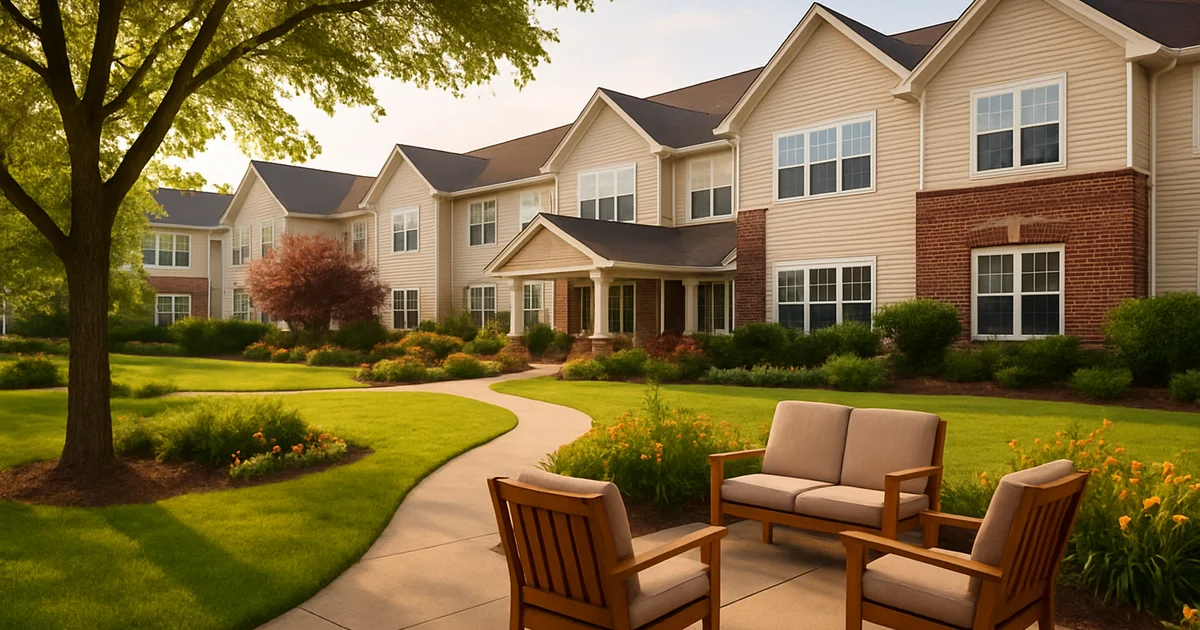
Memory care communities are increasingly embracing the importance of keeping couples together, recognizing that this can greatly enhance their quality of life. Many now offer shared living arrangements tailored to meet the needs of both partners, even if they require different levels of care or are at varying stages of memory loss. These shared spaces are thoughtfully designed to feel like home while providing the necessary security and medical support. The aim is to preserve the couple's connection while ensuring that each individual receives the care they need.Shared Suites or Apartments
Modern memory care facilities often feature couples' suites or compact apartments specifically designed for two. These spaces typically include separate sleeping areas that can be adjusted to suit each partner's needs, along with a shared living area where they can spend time together comfortably. The layouts vary, offering options like larger shared rooms or adjoining spaces, all equipped with safety features such as grab bars, non-slip floors, and accessible emergency systems. Emergency call buttons are strategically placed within reach of both sleeping areas to ensure quick assistance when necessary. Bathroom designs in these units often include walk-in showers with built-in seating and grab bars for added safety. Some facilities go a step further by installing dual vanities or creating extra room for mobility aids like wheelchairs or walkers, acknowledging that each partner may have unique physical requirements.Key Features of Shared Living Spaces
These shared spaces are designed to balance privacy, safety, and accessibility while allowing couples to maintain their independence. Many come with kitchenettes, secure entry systems with alarms, and close proximity to care staff for added peace of mind. Couples can also personalize their living areas with familiar belongings to create a comforting environment. Having care staff nearby means help is always just moments away. Many facilities use wireless monitoring systems that discreetly track movement, detect falls, or monitor sleep patterns, ensuring safety without intruding on privacy. Flexible features in these living spaces allow them to adapt as care needs change. For example, furniture can be rearranged to accommodate mobility devices, lighting can be adjusted for vision changes, and bathroom fixtures can be upgraded as physical capabilities evolve. This adaptability helps couples stay in the same space even as their needs shift over time. Additionally, shared living spaces are often designed for easy access to common areas, making it simple for couples to participate in communal activities, meals, or social events. These seamless transitions between private and shared spaces encourage engagement and connection within the community.Custom Care Plans for Couples with Different Needs
Custom care plans make it possible for couples to stay together while receiving the specific support each partner requires. This is especially important in memory care settings, where one spouse might need help with daily tasks like bathing or managing medications, while the other may only need occasional assistance with memory-related challenges. Memory care communities address these differences by creating individualized care plans that ensure both partners receive the right level of care without being separated. This approach acknowledges that memory loss and physical health can affect people in vastly different ways, even within a long-term partnership. Couples who have spent decades together may find themselves at different stages of cognitive decline or with varying physical needs. The goal is to strike a balance that supports both partners, prioritizing their well-being while allowing them to remain together. These tailored plans help bridge the gap between individual care requirements and the shared desire to stay as a couple.Individual Care Services
Memory care facilities develop personalized care protocols for each person, focusing on their unique medical, physical, and cognitive needs. For example, one spouse might need significant help with activities like dressing, grooming, and eating, while the other remains largely independent and only requires occasional reminders for taking medication or navigating the facility. These care protocols are designed to address specific needs without unnecessary overlap. For instance, staff may administer medications directly to one partner with advanced memory loss, while the other might only need a gentle reminder. This ensures that both individuals receive the right level of support. Activities are also tailored to match each partner’s cognitive abilities. One spouse might enjoy participating in complex cognitive exercises such as puzzles or book discussions, while the other might benefit more from sensory-focused activities or music therapy. This approach keeps both partners mentally engaged without causing frustration or feelings of inadequacy.Adjusting Care as Needs Change
Since memory care needs and physical health can change over time, these individualized plans are designed to evolve. Memory care communities understand that what works today may need to be adjusted in the future, so flexibility is built into the care approach from the start. Regular assessments, typically conducted every 30 to 90 days, allow care plans to adapt as necessary. During these reviews, staff, family members, and healthcare providers work together to make any needed changes, ensuring that the care remains effective and appropriate. If one partner’s needs increase significantly, the care team takes steps to minimize disruptions. For example, they may bring in specialized equipment, increase staff support, or make adjustments to the living space to accommodate new safety requirements. The goal is to maintain the couple’s shared living arrangement whenever possible. In cases where different levels of care are eventually required, facilities often prioritize keeping the couple close. This might mean moving them to adjacent rooms or ensuring they can spend ample time together daily, even if they can no longer share the same living space. Regular family meetings help keep everyone informed about changes and ensure both partners feel supported throughout the process.Emotional and Social Support Methods
Memory care communities provide more than just medical assistance - they prioritize emotional connections and meaningful interactions. Their approach respects each couple's unique bond, recognizing that while some adjustments may be necessary, the core of their relationship can still thrive. This focus ensures couples continue to see themselves as partners rather than just two individuals sharing the same space. These communities create spaces where couples can engage with others while still enjoying private moments together. This balance helps maintain their relationship and fosters a sense of belonging within the larger community. By reducing isolation, these emotional supports also help combat cognitive decline and emotional challenges, complementing the personalized living and care arrangements discussed earlier.Activities Designed for Couples
Memory care facilities offer programs that encourage couples to spend quality time together, even if their cognitive abilities differ. These activities are designed to spark joy, evoke cherished memories, and create new moments of connection.- Music therapy sessions: Music has a unique way of reaching across memory gaps. Couples can listen to songs from their era, participate in gentle dancing, or engage in simple movement exercises. These sessions, typically lasting 30 to 45 minutes and held several times a week, often evoke emotions and memories that words alone cannot.
- Reminiscence activities: Revisiting shared history through photo albums, memory books, or storytelling sessions helps couples reconnect. Staff often collaborate with families to gather mementos that hold special meaning. Even if one partner struggles with specific details, familiar faces and settings can bring comfort and joy.
- Sensory-based activities: When traditional conversations become challenging, sensory experiences offer another way to connect. Gardening in raised beds, cooking familiar recipes, or participating in simple art projects allow couples to engage at their own pace. These activities are chosen to be enjoyable for both partners, avoiding frustration or discomfort.
- Pet therapy programs: Interacting with therapy animals, like dogs or cats, provides a calming and shared experience for couples. These sessions often help reduce anxiety, spark smiles, and encourage natural conversations, all while requiring minimal cognitive effort.
Family Education and Resources
Family members play a vital role in supporting couples in memory care, but they often need guidance to adapt to changing dynamics. Memory care communities offer resources to help families maintain meaningful relationships and navigate the challenges of cognitive decline.- Communication workshops: Families learn practical strategies for interacting with loved ones. Techniques like using clear language, maintaining eye contact, and focusing on emotions rather than facts help create positive and meaningful visits, even when memories fade.
- Regular family meetings: These gatherings keep everyone informed about care updates and allow for open discussions about concerns or adjustments. Input from nursing staff, social workers, and activity coordinators ensures that care plans continue to reflect the couple's values and preferences.
- Support groups: Spouses and adult children of memory care residents can find solace and advice in support groups. These provide a safe space to share experiences, learn coping strategies, and process feelings like grief or guilt. Many facilities offer both in-person and virtual options to accommodate different needs.
- Educational resources: Understanding memory conditions can make a world of difference for families. Workshops and materials explain medication effects, behavioral changes, and disease progression, helping loved ones respond with patience and empathy.
- Guidance on preserving traditions: Families receive help adapting cherished traditions to fit changing abilities. Whether it’s reimagining holiday celebrations, finding new ways to honor anniversaries, or modifying favorite activities, the goal is to keep the emotional meaning intact, ensuring couples continue to feel connected and valued.
sbb-itb-657e8c4
Memory Care Communities and Programs for Couples
Specialized memory care communities are increasingly recognizing the importance of keeping couples together, even as one or both partners face memory-related challenges. These communities now offer programs designed to maintain the connection between partners while addressing their unique care needs. These initiatives build on shared living arrangements and personalized care plans, creating an environment where couples can thrive together.Examples of Leading Programs
Some memory care providers have developed innovative approaches to support couples, such as:- Private or semi-private living spaces: These arrangements allow couples to stay together while also ensuring each partner has their own space when needed.
- Daily routines and shared activities: Programs are designed to help couples maintain their emotional connection and a sense of normalcy by preserving familiar routines and offering opportunities for shared experiences.
- Customized care plans: Care strategies are adjusted to meet the evolving needs of each partner while ensuring they remain integrated into a shared plan.
Comparison of Features and Benefits
Memory care communities vary in how they support couples, offering different features to meet individual and shared needs. Some focus on flexible housing options that can change as circumstances evolve, while others emphasize wellness programs that include physical therapy, social activities, and medical care. Common features include:- Flexible living arrangements: These are tailored to accommodate both partners' shared and individual care requirements, ensuring comfort and safety.
- Couple-centered activities: Programs are designed to allow couples to participate in activities together, beyond just meal times or social gatherings.
- Trial or respite care options: These short-term stays give families the opportunity to experience the community and its offerings before committing to a long-term arrangement.
How Ultimate Senior Resource Supports Couples
When couples face memory-related challenges, finding the right memory care community involves more than just addressing individual needs - it’s about ensuring both partners receive care that’s personalized and interconnected. At Ultimate Senior Resource, the focus is on providing expert guidance tailored to each couple’s unique circumstances, including their care needs, financial situation, and emotional well-being.