
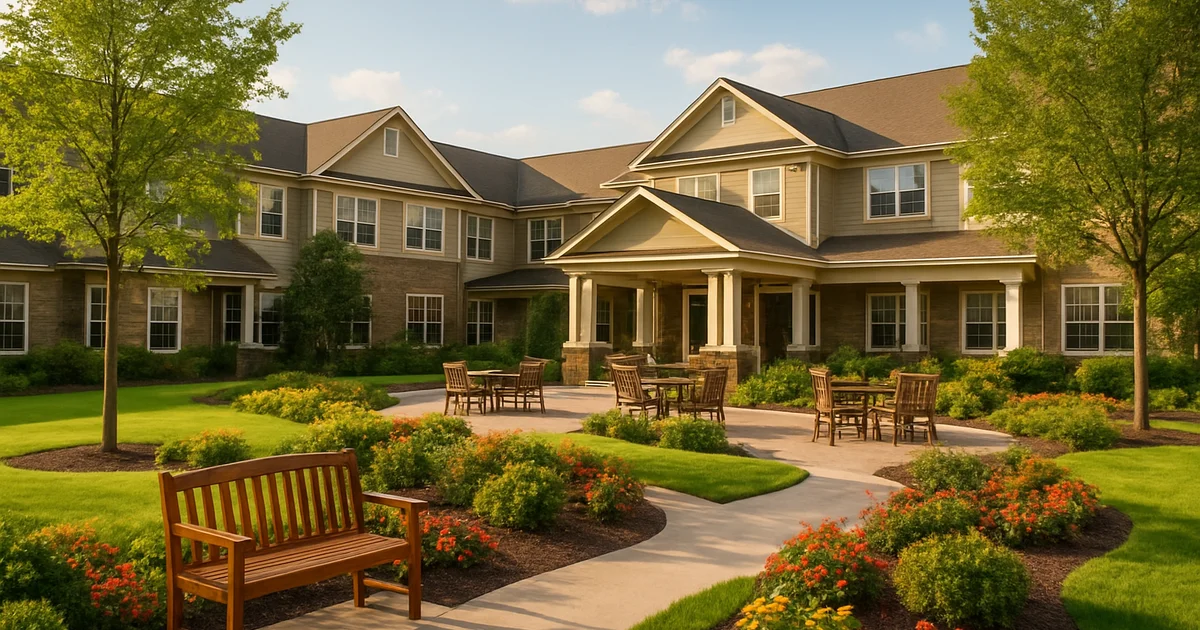
Choosing a memory care facility for a loved one can feel overwhelming. With so many factors to consider - like staff qualifications, safety measures, and daily programs - it’s hard to know where to start.
This guide walks you through the key questions to ask, helping you better understand care options, costs, and what to expect. From staff training to family involvement, we’ll cover everything you need to make an informed, confident decision.
Let’s dive into the details so you can find the best care for your loved one.
Staff Training and Qualifications
The care your loved one receives is closely tied to the skills and knowledge of the staff who support them daily. Taking the time to understand their qualifications can help you determine whether they’re equipped to meet the unique needs of memory care residents.Training and Experience Requirements
Start by asking about the certifications staff hold for dementia and Alzheimer’s care. Reputable facilities often require caregivers to complete specialized training in dementia care before they begin working with residents. Many also encourage ongoing education to ensure staff stay informed about current best practices. It’s also helpful to inquire about the team’s experience. Is there a balance between seasoned caregivers and newer staff members? Some facilities may have specialized roles, such as dementia-trained activity directors or geriatric nurses, which can indicate a deeper commitment to providing well-rounded memory care. Additionally, ask how staff use their training to handle challenging behaviors. This can offer insight into how effectively they apply their skills in everyday situations.Staff-to-Resident Ratios
Understanding staff-to-resident ratios is crucial. A lower ratio often means more personalized attention and better care for each resident. Facilities should be able to explain how they ensure there are enough trained caregivers to meet the needs of their residents at all times.Managing Difficult Behaviors
Certifications are important, but so are the practical ways staff address challenging behaviors like agitation, wandering, or confusion. These behaviors are often a way for residents to communicate their feelings when words fail. As Alzheimer’s Orange County explains:"Complex behaviors such as agitation, refusal to bathe or eat, aggression, or restlessness are often a form of communication. When words fail, actions become the only way a person with dementia can express how they feel." - Alzheimer's Orange CountyAsk how the staff interprets these behaviors and what de-escalation techniques they use. Does the facility track behavior patterns through journals to identify effective interventions? Keep in mind that, as Alzheimer’s Orange County notes:
"Remember every person is different. What may work for one, may not work for others." - Alzheimer's Orange CountyYou’ll also want to know if staff are trained to remain calm in stressful situations and how they practice patience when residents are distressed. The facility should have clear protocols for when additional support or intervention is required, ensuring every resident’s needs are met with care and understanding.
Care Planning and Individual Needs
Caring for someone with memory-related conditions requires understanding their unique needs, preferences, and life experiences. The top memory care facilities make this individuality a priority, crafting personalized care plans that adapt as the resident's condition evolves.Assessment Process and Updates
Start by learning about the facility's assessment process. A thorough evaluation should cover areas like cognitive abilities, physical health, medications, personal preferences, and behavior patterns. It's also important to know who performs these assessments. Look for professionals experienced in working with memory care residents and knowledgeable about dementia-related challenges. Their expertise ensures an accurate understanding of your loved one's needs. Ask how often these evaluations are updated. Are they conducted on a regular schedule - monthly or quarterly - or only when significant changes occur? Ideally, the facility should combine scheduled reviews with additional assessments triggered by noticeable shifts in behavior, appetite, mobility, or cognitive function. This proactive approach, paired with input from families, helps keep care plans relevant and responsive.Family Input in Care Decisions
Your role in care planning can greatly influence your loved one's comfort and your own peace of mind. It's worth asking how the facility incorporates family involvement. Do they schedule regular meetings to discuss care plans? How do they communicate with you about daily updates or changes? Your insights into your loved one’s personality, habits, and preferences can be a valuable resource for caregivers. For instance, knowing what soothes or unsettles your family member can guide care strategies. Additionally, clarify your role in major care decisions. If your loved one experiences a significant health change, how involved will you be in revising their care plan? Establishing clear expectations about decision-making responsibilities ensures everyone is on the same page and working collaboratively.Complete Care Approach
A well-rounded care plan goes beyond basic needs, addressing all aspects of a resident's well-being. Check if the facility takes a comprehensive approach that includes physical health, emotional support, and social interaction. Ask how they handle medication management, coordinate with specialists, and design activities that align with individual interests. It's also important to confirm that staff are attentive to changes in mood or behavior. Family involvement can also play a role in day-to-day care. Can you bring personal items from home to make the environment more familiar? Are you invited to join meals or participate in activities? Staying involved in these small ways can help you maintain a connection with your loved one while easing their transition into the new setting.Safety and Security Features
Being prepared for emergencies is not just important - it’s essential. Memory care facilities must have plans in place to handle medical emergencies, natural disasters, power outages, and even situations like a resident going missing. It’s crucial to evaluate how well a facility is equipped to manage these scenarios and how prepared their staff is to respond effectively.Emergency Response Plans
Memory care facilities are required to follow the CMS Emergency Preparedness Rule, which means they must assess potential risks and create detailed response plans. When visiting a facility, ask to see their emergency procedures. Pay attention to how these plans address the specific needs of residents who may struggle to follow or remember instructions during a crisis. Staff training is a cornerstone of emergency preparedness. Facilities should conduct regular drills, including multiple fire drills each quarter and at least one nighttime drill annually (when applicable), to ensure staff can act quickly and efficiently. It’s also important to understand how the facility communicates during emergencies. Look for communication plans that use multiple methods - such as phone calls, text messages, and online updates - and have backup systems in place to ensure no one is left in the dark. The importance of these measures is backed by research. A study published in JAMA Network revealed that older adults with dementia faced higher mortality rates after hurricanes, highlighting the critical need for thorough emergency planning. Be sure to confirm that the facility works closely with local emergency services, like fire departments, paramedics, and law enforcement, to ensure quick and effective responses when every second counts.Activities and Daily Programs
A thoughtfully designed program can make a world of difference for residents in memory care. When exploring facilities, it’s important to look beyond simple entertainment and understand how their activities are tailored to support cognitive health, emotional stability, and overall quality of life for individuals with dementia or Alzheimer’s. The best programs focus on evidence-based approaches that emphasize each resident’s strengths. Person-centered programming is key - it takes into account a resident’s personal history, interests, and current abilities to create meaningful activities that can help slow cognitive decline and boost mood. Below, we’ll explore therapeutic, social, and nutritional programs that are essential to daily life.Therapy-Based Activities
Therapeutic activities are at the core of effective memory care. For example, music therapy can be incredibly beneficial, especially for residents who struggle with verbal communication. Music often taps into memories and emotions, providing a way for individuals to connect and express themselves. Be sure to ask if certified music therapists are involved in these programs. Art therapy offers another creative outlet, encouraging self-expression while stimulating the brain. Programs may include painting, drawing, or simple crafts tailored to different ability levels. Some facilities use reminiscence therapy through art, helping residents create pieces that reflect their personal stories and experiences. Physical activity is also crucial. Programs like chair exercises, gentle yoga, and walking groups are designed to maintain mobility and reduce restlessness. When visiting a facility, ask how often these activities are offered and whether they’re led by trained professionals or physical therapists. For residents in later stages of dementia, sensory stimulation activities can provide comfort and engagement. These might include aromatherapy, texture boards, or pet therapy sessions. It’s worth asking how often these activities are available and whether they’re personalized to suit individual preferences and needs.Social Activities
Social engagement plays a vital role in helping residents stay connected and combat feelings of isolation. Facilities that prioritize social interaction often see happier, more engaged residents. Programs that involve intergenerational activities - such as visits from children or teenagers - can be particularly uplifting. These might include reading together, playing games, or sharing stories. Such interactions often bring joy to residents while offering young visitors a chance to learn and grow. Be sure to ask how often these events are held and what measures are in place to ensure everyone’s safety. Community outings are another valuable way to keep residents connected to the world around them. Trips to nearby parks, museums with dementia-friendly programs, or familiar community spots can be both stimulating and comforting. When evaluating a facility, inquire about the frequency of outings and the staff-to-resident ratio during these trips. Facilities that encourage family involvement often create a stronger support system for residents. Look for places that host family events, holiday celebrations, or workshops to help loved ones better understand dementia care. These gatherings not only strengthen family bonds but also provide additional social interaction for residents.Meals and Nutrition Services
Nutrition and dining routines are just as important as activities when it comes to supporting memory care residents. Mealtime isn’t just about eating - it’s also a chance for socializing and maintaining comforting daily habits. Ask about how the facility addresses the unique challenges that memory loss can create around eating. For instance, some residents may forget to eat, struggle with utensils, or experience changes in taste preferences. Facilities that offer finger foods or adaptive dining tools can help residents maintain a sense of independence during meals. Nutritional monitoring is essential, especially for residents who may have trouble communicating their hunger or food preferences. Quality facilities track each resident’s intake and collaborate with dietitians to ensure their nutritional needs are met. It’s also helpful to ask whether the facility works with speech therapists for residents who have swallowing difficulties. The dining environment matters, too. A calm, supportive setting with adequate staff can make meals more enjoyable and less stressful. Some facilities use family-style dining to create a cozy, homelike atmosphere, while others may offer smaller, more frequent meals to accommodate residents who feel overwhelmed in larger groups. If your loved one has specific dietary needs, such as a diabetic diet, texture-modified meals, or preferences based on religion or culture, ask how the facility accommodates these requirements. Kitchen staff should be trained to understand how memory loss affects eating habits and provide gentle encouragement and assistance as needed.sbb-itb-657e8c4
Living Spaces and Services
When choosing a memory care facility, it's important to look into the types of rooms available and whether residents can make their spaces feel like home. These details can play a big role in creating a comfortable and secure environment. Take time to explore the room options and any personalization policies to ensure the space feels welcoming and familiar.Room Options and Personal Belongings
Memory care facilities usually provide a choice between private and shared rooms."Are private and shared rooms offered?" - Cascade Living GroupFind out if residents can bring personal items, like family photos, furniture, or keepsakes, to make their space feel more like home. It’s also worth asking if the facility provides furnished apartments or allows residents to use their own furniture.
"Can residents personalize their space with familiar belongings?" - Cascade Living GroupThis can make a big difference, as one expert explains:
"A homelike setting fosters a sense of familiarity and security for individuals with dementia." - Cascade Living GroupIf your loved one has a pet, check the facility’s pet policy to see if they can keep their companion animal. Pets can be a source of comfort and emotional support, so it’s worth exploring if this is an option.