
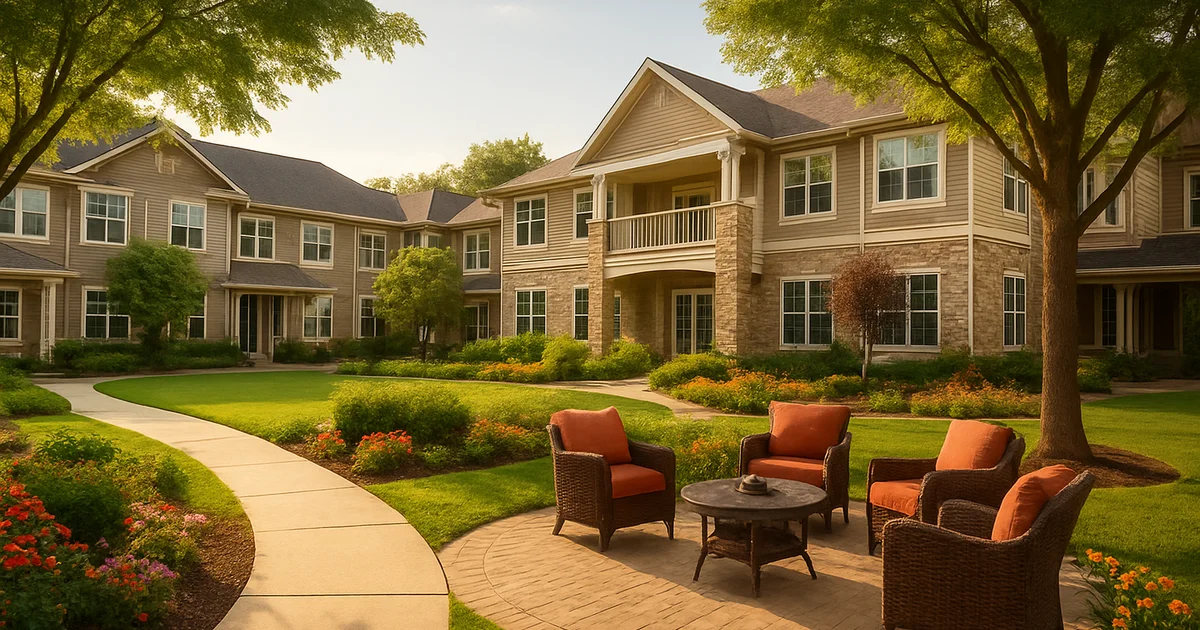
Choosing memory care for a loved one is a deeply personal decision, often surrounded by uncertainty and emotion. If you're noticing changes in their behavior, safety, or ability to manage daily tasks, you might be wondering if it's time to explore specialized care. You're not alone in this journey.
This guide will help you understand the signs that memory care may be necessary, how to evaluate options, and ways to make the transition smoother. From recognizing early warning signs to asking the right questions when touring facilities, you'll find practical advice to navigate this important decision with confidence and care.
Let’s walk through how to identify the need for memory care and take the next steps - together.
Signs That Memory Care May Be Needed
Gradual changes in a loved one’s behavior or abilities can make it hard to recognize when memory care is necessary. However, certain signs can indicate the need for specialized care to ensure both safety and well-being. Recognizing these signs early allows families to make thoughtful decisions before a crisis arises.Changes in Behavior
Behavioral changes are often the first noticeable signs that someone may need memory care. Studies show that up to 90% of dementia patients experience behavioral or psychological symptoms during their illness, with about half showing at least four neuropsychiatric symptoms at once[1]. Some common changes include repetitive behaviors like asking the same questions or performing the same routines repeatedly. Families may also notice wandering or impulsive actions. Delusions and hallucinations are particularly common in conditions like Lewy body dementia or Parkinson’s disease dementia. For instance, a person might believe someone is stealing from them or see things that aren’t there. Other changes might include agitation or restlessness, which could appear as verbal outbursts, unusual vocalizations, or excessive movement. Some individuals may suddenly become aggressive, while others withdraw from social activities or lose interest in hobbies. Sundowning - marked by increased confusion and agitation in the late afternoon or evening - along with sleep disturbances, can further disrupt daily life. It’s important to understand that these behaviors are caused by neurological changes. If new behaviors emerge suddenly, healthcare providers often recommend evaluations to rule out other factors like infections, pain, or medication side effects. Behavioral changes often point to growing safety concerns that should not be ignored.Safety Issues
Safety risks frequently prompt families to consider memory care. Wandering is one of the most serious concerns, as individuals with dementia may become disoriented even in familiar environments and struggle to find their way home. Kitchen safety is another area of concern. Forgetting to turn off appliances or misusing household devices can lead to dangerous accidents, such as fires. Declining balance also increases the risk of falls. Bathrooms, with their wet surfaces and fixed fixtures, pose additional hazards. Driving can also become unsafe, as individuals may get lost on familiar routes or struggle with slower reflexes and impaired judgment. Some may even continue driving despite these challenges, putting themselves and others at risk."The brain is like any other part of the body, and over time, it may not function as well." – Ana Trueba Yepez, Psychologist, McLean HospitalMemory care facilities are designed to address these safety concerns. Features like secured doors, clear visual cues, and 24/7 supervision help prevent potentially dangerous situations.
Problems with Daily Activities
Difficulties with everyday tasks - both basic self-care and household responsibilities - can signal the need for specialized care. Activities of daily living (ADLs) and instrumental activities of daily living (IADLs) often become overwhelming. Personal hygiene might decline, with individuals forgetting to bathe, struggling to dress for the weather, or avoiding grooming altogether. Fear of falling in the bathroom can lead to skipping baths, raising concerns about health and cleanliness. Cognitive and mobility challenges can make tasks like bathing, dressing, and managing medications more difficult, increasing the risk of falls or missed doses. This is particularly concerning, as two-thirds of older adults live with two or more chronic conditions, making proper medication management essential[2]. Nutrition and eating habits may also be affected. Preparing meals might become too complicated, leading to skipped meals, eating multiple times without realizing it, or preparing unbalanced dishes. In some cases, individuals may lose their appetite entirely. Household tasks like cleaning, laundry, and grocery shopping can become overwhelming, resulting in unpaid bills, cluttered or unsanitary living spaces, and neglected home maintenance. As these challenges grow, caregivers often find themselves taking on more responsibilities, which can lead to burnout.Caregiver Stress and Burnout
Caring for someone with memory challenges can take a significant toll on family caregivers. The increasing demands of managing daily activities and addressing safety concerns often lead to physical and emotional exhaustion. Caregivers may feel overwhelmed, socially isolated, and neglect their own health needs. Signs of burnout include constant worry about the loved one’s safety, disrupted sleep from nighttime monitoring, difficulty leaving the person alone for errands, and strained family relationships. Financial stress from reduced work hours or the costs of care can add to the burden. Feelings of resentment, anger, or depression are common, as is physical exhaustion. Recognizing these signs isn’t a failure - it’s a reminder that memory-related conditions often require professional care that goes beyond what family members can provide while maintaining their own well-being.How to Choose a Memory Care Facility
Choosing the right memory care facility is a critical decision that requires careful consideration of factors that affect your loved one's safety, comfort, and overall quality of life.Key Features to Look For
When evaluating memory care facilities, prioritize safety and personalized care. Look for robust safety measures like secured entrances, keypad access, gates, and alarm systems. These features help prevent wandering and reduce fall risks. The physical environment should also be thoughtfully designed, with non-slip flooring, clear pathways, and handrails to promote stability and independence. The staff's training and availability play a major role in the quality of care. Facilities where caregivers receive regular dementia-specific training and hold relevant certifications are more likely to meet your loved one's needs. While a common caregiver-to-resident ratio is one to five or six, smaller ratios often allow for more personalized attention. High staff turnover can disrupt continuity, so inquire about their retention rates."Look at the longevity of staff working there, and assess whether they're willing to learn about your loved one. Find caregivers who see your loved one as a person, not their disease. You want someone to help them thrive, not just survive." - Jill Lorentz, Certified Dementia Trainer and Owner of Summit Resilience TrainingPerson-centered care is essential. High-quality facilities tailor care plans to each resident's unique needs, preferences, and abilities. These plans should be regularly updated to reflect changes in their condition, ensuring your loved one receives care that evolves with them. Specialized programs are another hallmark of memory care. Look for activities and therapies designed for residents with memory loss, such as music therapy, art therapy, occupational therapy, or aromatherapy. These programs should be adaptable to residents with varying levels of cognitive function.
"The memory care programming makes all the difference in the world... The quality of programming (and therapies) is critical. It can impact how well a resident sleeps, it helps with their orientation with day versus night, and so much more." - Maureen Bradley, Former Memory Care Executive DirectorThe physical layout should be both safe and supportive. Simple, easy-to-navigate designs with calming décor can help reduce confusion. Features like interactive life skills stations encourage residents to maintain familiar routines. Common areas should feel inviting and homelike rather than sterile or institutional. Family involvement is another key factor. Facilities that encourage family visits, participation in activities, and input on care plans help maintain vital connections and ensure loved ones feel involved in the care process. Once you've identified these key features, focus on asking the right questions during facility visits to confirm these standards are being met.
Questions to Ask During Visits
When touring memory care facilities, ask targeted questions to evaluate their suitability for your loved one's needs. About staff and care:- What training and certifications do caregivers receive?
- What is the caregiver-to-resident ratio?
- What is the staff turnover rate?
- How are dementia-related behaviors managed?
- How often are care plans reviewed and updated?
"Patience, understanding, and creative thinking are essential to being a dementia caregiver." - Maureen Bradley, Former Memory Care Director at A Place for MomAbout medical care:
- Is there on-site nursing care?
- What role does the medical director play?
- How are emergencies handled?
- How is medication managed, and how do they coordinate with external healthcare providers?
- Can I see the activities schedule?
- How do they ensure activities match residents' abilities and interests?
- What meal options and dietary accommodations are available?
- How do they maintain cleanliness and sanitation?
"Make sure the community has activities that fit your loved one's specific interests or needs. Don't be distracted by aesthetics or bells and whistles. Make sure the staff's priority is getting to know your loved one." - Jill Lorentz, Dementia Education Services Company OwnerAbout safety measures:
- What 24-hour supervision protocols are in place?
- What secured building features are available?
- How do they handle fall prevention and mobility assistance?
- What is their policy for residents who wander or exhibit challenging behaviors?
- How often will I receive updates about my loved one's health?
- Are there regular family meetings?
- How are families involved in care decisions and activities?
- What are the visitation policies?
- What is the monthly fee, and what does it include?
- Are there additional charges for specific services?
- What is the policy for rate increases?
- What happens if care needs change over time?
"Behavioral expressions are responses to dementia symptoms, not symptoms themselves. There's often an unmet need or a need for a better approach by a care partner. With appropriate dementia care, you'll see a reduction in these responses." - Juliet Holt Klinger, Gerontologist and Brookdale's Senior Director of Dementia CareAsk for a sample care plan to understand how the facility addresses individual needs. Additionally, request to review state surveys or Department of Health reports to confirm compliance with regulations. Be aware that licensing and oversight vary by state, typically managed by the Department of Health.
sbb-itb-657e8c4
Resources and Support for Families
When navigating the challenging decisions surrounding memory care, having access to reliable resources and support can make all the difference. These tools and services are designed to offer families practical help and peace of mind.Professional Guidance
A variety of professionals can provide expert advice and emotional support:- Geriatric care managers: These specialists assess your loved one’s needs and help coordinate care plans. They can also connect you with local resources tailored to your situation.
- Healthcare providers: Your loved one’s doctors and medical team can offer recommendations based on their specific condition, helping you determine the appropriate level of care.
- Mental health and social work professionals: Transitioning to memory care can bring up complex emotions like guilt, sadness, or relief. These professionals are trained to provide emotional support and help caregivers manage stress.
Support Tools and Financial Resources
In addition to expert advice, practical tools and financial planning can help families feel more prepared.- Assessment tools: These evaluate your loved one’s needs, focusing on safety, daily living abilities, and behavioral changes, to determine the right level of care.
- Professional directories: Resources like the Alzheimer’s Foundation of America can help you find specialized dementia care services. Their Dementia Care Professionals of America division has trained over 16,000 individuals in best practices.
- Support groups and educational resources: These provide opportunities to share experiences, learn coping strategies, and connect with others facing similar challenges.
"Families most often combine payment sources like the senior’s income, savings, sale of a home, and any stocks or retirement portfolios"National nonprofit organizations like the Alzheimer’s Foundation of America and the Lewy Body Dementia Association offer extensive resources tailored to different types of memory loss. Finally, technology tools can help families stay connected and informed. Many memory care facilities now provide family portals for updates and communication, as well as virtual visit options when in-person visits aren’t possible. These tools ensure families can remain involved, even from a distance.
- Beth Wilkison, learning and development manager at A Place for Mom
Next Steps for Making Your Decision
Choosing memory care can feel overwhelming, but starting early, listening to your instincts, and seeking support can make the process more manageable.Recognizing the Need
If you notice changes in behavior, safety, or your loved one's ability to manage daily tasks, it's time to act. Begin conversations and research as soon as possible - waiting until a crisis happens can limit your options. Trust your instincts when evaluating whether memory care is necessary. Repeated safety issues, increasing confusion, or signs of caregiver burnout are clear indicators that specialized care might be the right step. Start by identifying your loved one's specific needs. Think about their current abilities, safety concerns, and personal preferences. Their personality and interests should also play a role in your decision-making process."Your family member still has interests, likes and dislikes. That's why it's so important to make sure they're catered to and cared for in the best way possible." - Olivia Thomas, education program coordinator at the Alzheimer's Foundation of AmericaOnce you've recognized these needs, the next step is finding guidance that’s tailored to your family’s situation.
Getting Personalized Help
After clarifying your concerns, seek support to navigate the options available. Every family’s situation is unique - factors like care needs, budget, and location require advice that fits your specific circumstances. Ultimate Senior Resource provides free, personalized help to connect families with memory care communities that align with their priorities. When working with professionals, focus on those who take the time to understand your loved one’s individuality. Certified dementia trainer Jill Lorentz emphasizes the importance of this:"Make sure the staff's priority is getting to know your loved one."Take practical steps to evaluate your options thoroughly. Visit communities in person or take virtual tours to observe the environment and staff interactions. Ask about staff training in dementia care, safety measures, and how activities are tailored to residents’ interests and cognitive needs. Consider your loved one’s lifestyle and preferences when comparing facilities. Look for communities that offer memory-focused therapies and activities that reflect their background and interests. Understanding how each facility customizes care plans can help you find the best match. Lastly, discuss payment options early on to ensure the community fits your budget. Many families use a combination of funding sources, so explore options like veterans benefits, insurance, and Medicaid to see what’s available. Don’t assume cost is a barrier before fully researching your choices.