
Senior Living in Washington, DC
Explore top senior living choices in the nation's capital, where history, culture, and accessible healthcare enhance golden years.
20 Senior Living Communities in Washington
20 communities
Assisted Living, Memory Care & Independent Living in Washington
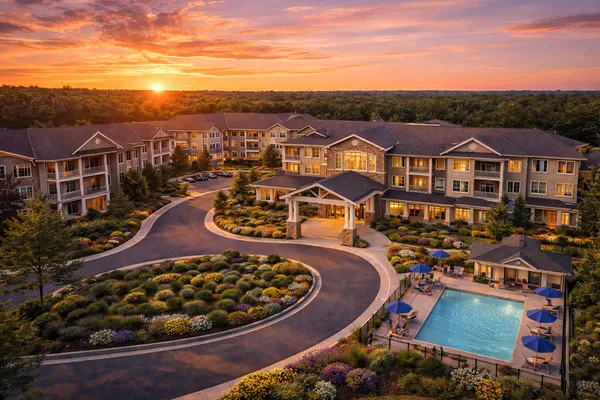
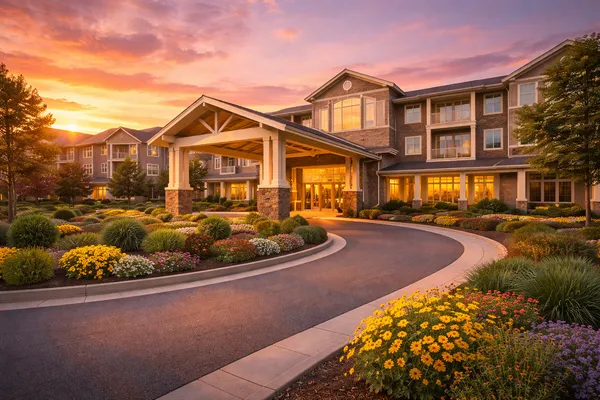
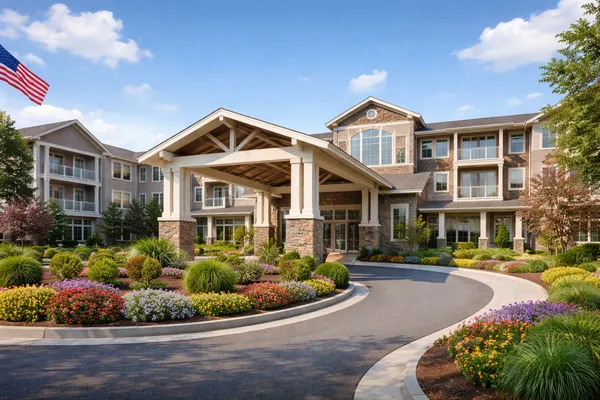
3 communities offering assisted living, memory care, independent living, and other residential senior care options in Washington.
Skilled Nursing Facilities in Washington
17 skilled nursing facilities providing 24-hour medical care, rehabilitation services, and long-term care in Washington.
Ascension Living Carroll Manor
725 Buchanan St., Ne
Bridgepoint Subacute and Rehab Capitol Hill
223 7th Street Ne
Bridgepoint Sub-acute & Rehab National Harborside
4601 Martin Luther King Jr Avenue Sw
Capitol City Rehab and Healthcare Center
2425 25th Street Se
Deanwood Rehabilitation and Wellness Center
5000 Nannie Helen Burroughs Ave. Ne
Forest Hills of Dc
4901 Connecticut Avenue, Nw
Ingleside at Rock Creek
3050 Military Road Nw
Inspire Rehabilitation and Health Center
2131 O Street Nw
Jeanne Jugan Residence
4200 Harewood Road Ne
Knollwood Hsc
6200 Oregon Ave Nw
Lisner Louise Dickson Hurthome
5425 Western Ave Nw
Serenity Rehabilitation and Health Center
1380 Southern Ave Se
Sibley Mem Hosp Renaissance
5255 Loughboro Road Nw
Stoddard Baptist Nursing Home
1818 Newton St. Nw
The Hsc Pediatric Skilled Nursing Facility
1731 Bunker Hill Road Ne
Unique Rehabilitation and Health Center
901 First Street Nw
Washington Ctr for Aging Svcs
2601 18th Street Ne
Washington, D.C., the bustling capital of the United States, is home to a population of 670,587 as per the 2022 American Community Survey. Situated along the Potomac River, this city is renowned for its monumental architecture, including the National Mall and the White House, which attract visitors worldwide. Seniors often choose Washington for its rich cultural offerings, such as the Smithsonian museums and the Kennedy Center, which provide intellectual stimulation and social engagement. With a median age of 34.8, the city still boasts a senior population of 84,451 (12.6% of the total), drawn by proximity to federal services, excellent healthcare, and a walkable urban environment that supports independent living.
The senior living landscape in Washington, D.C., features 22 diverse communities, including Ascension Living Carroll Manor and Grand Oaks Assisted Living Community, offering care types like assisted living and skilled nursing. These facilities cater to various needs, with options for rehabilitation at places like Bridgepoint Sub-acute & Rehab National Harborside. The city's healthcare infrastructure is robust, highlighted by institutions such as MedStar Georgetown University Hospital and the Veterans Affairs Medical Center, ensuring accessible medical services for residents. This setup allows seniors to age in place with peace of mind, supported by a network that addresses both daily assistance and specialized care.
Quality of life in Washington, D.C., is enhanced by its temperate climate, though with humid summers and cold winters that require senior-friendly adaptations like heated walkways. The cost of living is high, with a median household income of $101,722, but seniors benefit from cultural scenes like theater at the Arena Stage and natural surroundings in Rock Creek Park, ideal for leisurely walks. The city's walkability and public transit, including the Metro system, make it easier for older adults to access amenities, fostering a sense of community and well-being.
Cost of Senior Living in Washington
Senior living costs in Washington, D.C., align closely with national averages, making it a competitive option despite the city's high cost of living. For assisted living, the monthly cost is $5,900, exactly matching the national average of $5,900, while nursing home semi-private rooms average $9,277 per month, also on par with the national figure, and private rooms reach $10,646, again matching nationwide data. Home health aide services cost $6,292 monthly, equivalent to the national average, and adult day care is $2,100 per month, aligning with broader trends. Factors influencing these prices include location within D.C., such as proximity to upscale neighborhoods like Georgetown, which can increase costs due to higher real estate values and premium amenities like on-site dining and fitness centers. Care level plays a significant role; assisted living is generally less expensive than skilled nursing because it offers less intensive medical support, while room type—semi-private versus private—affects pricing by providing more privacy and space. Amenities such as transportation services or specialized memory care programs can add to the overall expense, and seniors in Washington might find that urban conveniences, like easy access to the Metro, justify the costs for those with a median household income of $101,722, allowing many to budget effectively for these essential services.
Neighborhoods in Washington for Seniors
Georgetown
Georgetown, a historic and affluent neighborhood in Washington, D.C., is beloved by seniors for its charming cobblestone streets and proximity to the Georgetown Waterfront Park, where they can enjoy scenic walks along the Potomac River. This area features nearby medical facilities like MedStar Georgetown University Hospital, specializing in oncology and cardiology, providing quick access to specialized care for age-related health issues. Seniors appreciate eateries such as Martin's Tavern, a cozy spot for classic American comfort food with outdoor seating that's perfect for a relaxed brunch, and it's wheelchair-accessible to accommodate mobility challenges. The neighborhood scores high on walkability, with a Walk Score of 85, making it easy to stroll to shops on Wisconsin Avenue or catch the Georgetown Circulator bus for seamless transit. Safety is a plus, as Georgetown has lower crime rates than the city average, allowing seniors to feel secure during evening outings, and its tree-lined paths and benches offer restful spots that promote mental health and social interaction, making it an ideal retreat for those over 70 seeking a blend of elegance and accessibility.
Capitol Hill
Capitol Hill, the heart of Washington's political scene, appeals to seniors due to its historic rowhouses and access to Lincoln Park, a green oasis with walking paths and picnic areas that encourage light exercise and outdoor socializing. The neighborhood is near top medical facilities like the Washington Hospital Center, known for its expertise in heart and stroke care, ensuring prompt treatment for common senior health concerns. Dining options include the renowned Eastern Market, where seniors can savor fresh, senior-friendly meals at cafes like Market Lunch, offering simple, nutritious dishes in a community atmosphere. With a Walk Score of 88, Capitol Hill is highly walkable, featuring wide sidewalks and crosswalks that accommodate walkers with canes or mobility aids, and it's well-served by the Metro's Blue and Orange lines for easy access to other parts of the city. Seniors particularly like this area for its safety, with community watch programs and well-lit streets, plus the intellectual stimulation from nearby Capitol Building tours and lectures, fostering a sense of purpose and engagement for those in their golden years.
Dupont Circle
Dupont Circle, a vibrant and inclusive neighborhood in Washington, D.C., attracts seniors with its lush Dupont Circle fountain and gardens, providing peaceful spots for bench-sitting and people-watching amidst colorful flower beds. It's conveniently located near medical centers like the George Washington University Hospital, which excels in geriatrics and emergency services, offering specialized care for older adults. Restaurants such as Kramerbooks & Afterwords Cafe serve as senior-friendly haunts with cozy indoor seating and a menu of light, healthy options like salads and soups, perfect for those managing dietary restrictions. The area boasts excellent walkability, with a score of 95, thanks to flat terrain, bike lanes, and nearby Metro stations, making it simple for seniors to navigate without a car. Safety is enhanced by active community policing and well-maintained parks, and seniors favor Dupont Circle for its cultural events, like free concerts at the circle, which promote social connections and mental stimulation, ideal for 70-year-olds looking for an active yet relaxed lifestyle.
Foggy Bottom
Foggy Bottom, a sophisticated neighborhood near the Potomac River, draws seniors for its access to the scenic Potomac Heritage Trail, offering gentle walking paths and river views that support physical activity and relaxation. It's adjacent to key medical facilities like the Sibley Memorial Hospital, part of Johns Hopkins, with strengths in orthopedics and senior wellness programs. Eateries such as the Foggy Bottom Farmers Market provide fresh, easy-to-eat options at stands like those offering grab-and-go salads, catering to seniors with mobility needs. The neighborhood's Walk Score of 90 highlights its pedestrian-friendly design, with smooth sidewalks and proximity to the Foggy Bottom-GWU Metro station for reliable public transit. Safety is bolstered by university presence from George Washington University, reducing incidents and providing a watchful community eye, and seniors appreciate the area's quiet residential streets and cultural proximity to the Kennedy Center, offering discounted shows that encourage artistic engagement and combat isolation for those over 70.
Senior Care Options in Washington
In Washington, D.C., senior living options encompass a range of care types designed to meet the diverse needs of older adults, with 22 communities like Ascension Living Carroll Manor and Ingleside at Rock Creek providing specialized services. Assisted living is ideal for seniors who need help with daily activities such as bathing and medication management but wish to maintain independence; typical residents are in their mid-80s, active yet requiring oversight, as seen in facilities like Grand Oaks Assisted Living Community. Skilled nursing, offered at places like Bridgepoint Sub-acute & Rehab National Harborside, caters to those recovering from illnesses or surgeries, with residents often over 75 who need round-the-clock medical care, including wound care and physical therapy. Independent living suits healthier seniors in their 70s who want a maintenance-free lifestyle, though it's less represented in the listed communities; memory care, while not explicitly detailed, is implied in facilities handling dementia, targeting those with Alzheimer's who benefit from secure environments and cognitive activities. Overall, these care types in Washington reflect the city's senior population of 84,451, with profiles varying by health status— for instance, assisted living residents might enjoy social outings to local parks, while skilled nursing patients focus on rehabilitation programs linked to nearby hospitals, ensuring a continuum of care that promotes dignity and quality of life.
Healthcare & Transportation
Washington, D.C., offers extensive healthcare options for seniors, with key hospitals including MedStar Georgetown University Hospital, specializing in cancer and heart care, and Sibley Memorial Hospital, known for its orthopedic and geriatric services, both located in accessible areas near senior living communities. The city also features a VA Medical Center in the nation's capital, providing comprehensive services for veterans, including mental health support and rehabilitation for those over 65. Senior transportation is robust, with the Washington Metropolitan Area Transit Authority (WMATA) offering paratransit services like MetroAccess, a door-to-door option for individuals with disabilities, and senior shuttles from organizations such as the D.C. Office of Aging, which provide free or low-cost rides to medical appointments and community centers. Ride-sharing apps like Uber and Lyft often offer senior discounts, and the city's extensive bus and Metro network, with stations in neighborhoods like Dupont Circle, ensures easy access without driving. Additionally, the District of Columbia has specific Medicaid waiver programs for senior care, including the Elderly and Individuals with Physical Disabilities (EPD) Waiver and the Intellectual and Developmental Disabilities (IDD) Waiver, which help cover costs for home- and community-based services, allowing seniors to receive assistance with daily living while staying in their homes, supported by a network that integrates with local healthcare providers for seamless care coordination.
Activities & Recreation Near Washington
Washington, D.C., offers a wealth of senior-friendly activities, starting with parks like Rock Creek Park, where seniors can explore walking trails and picnic areas for gentle exercise, or the U.S. National Arboretum with its botanical gardens featuring themed collections that promote relaxation and mental stimulation. Recreation centers such as the Takoma Recreation Center provide fitness classes and social events tailored for older adults, while museums like the Smithsonian's National Museum of American History offer free admission and senior discounts for educational tours. Restaurants like the Old Ebbitt Grill serve as gathering spots with accessible seating and menus of nutritious options, and theaters like the Kennedy Center host matinee performances with reduced prices, encouraging cultural participation. Libraries, including the Martin Luther King Jr. Memorial Library, host book clubs and lectures for intellectual engagement, and senior centers like the D.C. Office of Aging's locations offer volunteer opportunities and faith community events at places like the Washington National Cathedral, fostering a sense of purpose and community for those over 70.
Weather & Climate in Washington
Washington, D.C., experiences a humid subtropical climate with average annual temperatures ranging from 27°F in winter to 87°F in summer, and about 39 inches of precipitation, which can affect seniors through seasonal challenges. Winters bring snow and ice, increasing fall risks on slippery sidewalks, so months like December to February require caution with indoor activities, while spring's high pollen counts from March to May may exacerbate allergies, making it advisable for seniors to carry medications. Summer humidity often triggers heat advisories, with the National Weather Service issuing warnings when temperatures exceed 90°F, posing dehydration risks for those over 70, thus the best months for outdoor pursuits are April, May, September, and October, when averages hover around 70°F, ideal for walks in shaded parks without the strain of extreme weather.
Frequently Asked Questions About Senior Living in Washington
What is the average cost of senior living in Washington, DC?
How many senior living communities are in Washington, DC?
What hospitals are near senior living in Washington, DC?
Does District of Columbia offer Medicaid waivers for senior living?
What is the climate like in Washington, DC, for seniors?
What are the best neighborhoods in Washington, DC, for seniors?
What VA benefits are available for seniors in Washington, DC?
What are key demographic stats for seniors in Washington, DC?
Find Senior Living in Washington, DC
Need help choosing the right community? Contact us for personalized guidance.
Get Help Today