
Senior Living in Saint Paul, MN
Explore 62 senior living communities in Minnesota's capital city, where history, healthcare, and culture meet.
Saint Paul has 20 senior living communities listed on Ultimate Senior Resource run by 11 operators, offering skilled nursing, assisted living, memory care and independent living.
20 Senior Living Communities in Saint Paul
20 communities
Assisted Living, Memory Care & Independent Living in Saint Paul
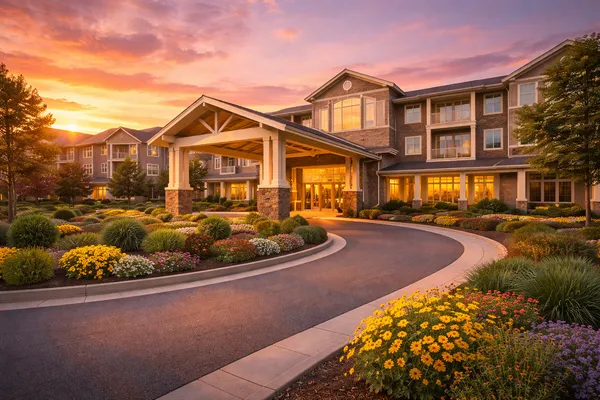
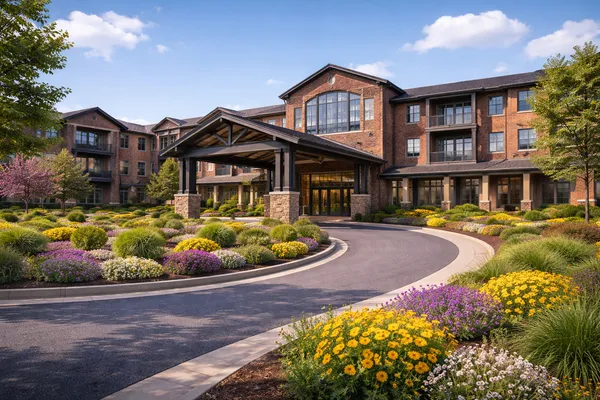
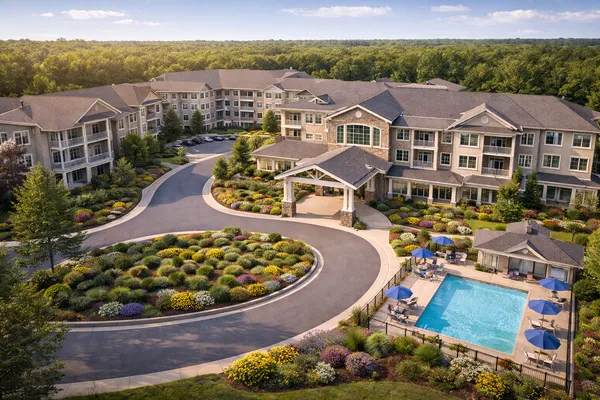
3 communities offering assisted living, memory care, independent living, and other residential senior care options in Saint Paul.
Who Operates Senior Living in Saint Paul
11 operators run 19 of Saint Paul's 20 senior living communities listed on Ultimate Senior Resource. 1 is independently operated or list no operator.
Non profit - Corporation (6)
Monarch Healthcare Management (3)
For profit - Corporation (2)
Ebenezer Senior Living (1)
Encore Senior Living (1)
Ephram Lahasky (1)
Good Samaritan Society (1)
Non profit - Church related (1)
Non profit - Other (1)
Presbyterian Homes & Services (1)
StoryPoint Group (1)
Independently operated or operator not listed (1)
Skilled Nursing Facilities in Saint Paul
17 skilled nursing facilities providing 24-hour medical care, rehabilitation services, and long-term care in Saint Paul.
Capitol View Transitional Care Center
640 Jackson Street
Carondelet Village Care Center
525 Fairview Avenue South
Cerenity Care Center on Humboldt
512 Humboldt Avenue
Cerenity Marian of St Paul
200 Earl Street
Ebenezer Integrated Care & Rehab
45 West 10th Street
Episcopal Church Home of Minnesota
1879 Feronia Avenue
Episcopal Church Home the Gardens
1860 University Avenue West
Good Samaritan Society - Maplewood
550 Roselawn Avenue East
Hayes Residence
1620 Randolph Avenue
Highland Chateau Health And Rehabilitation Center
2319 West Seventh Street
Little Sisters Of The Poor
330 Exchange Street South
Lyngblomsten Care Center
1415 Almond Avenue
Shirley Chapman Sholom Home East
740 Kay Avenue
St Anthony Park Home
2237 Commonwealth Avenue
The Emeralds at St Paul LLC
420 Marshall Avenue
The Estates at Lynnhurst LLC
471 Lynnhurst Avenue West
The Villas at St Paul
445 Galtier Avenue
Saint Paul, Minnesota — the state capital and the older of the Twin Cities — is home to approximately 311,000 residents and offers seniors a distinctive blend of historic charm, cultural vibrancy, and robust healthcare infrastructure. Nestled along the banks of the Mississippi River, Saint Paul is renowned for its well-preserved Victorian architecture, grand boulevards lined with century-old elms, and a strong sense of neighborhood identity. The city consistently ranks among the most livable mid-sized metros in the country, attracting retirees who want urban amenities without the relentless pace of a major metropolis. With easy access to world-class medical facilities, a four-season climate that keeps residents engaged year-round, and a deeply rooted community spirit, Saint Paul draws seniors from across the Upper Midwest.
Saint Paul's senior living landscape is extensive and diverse. The city and its immediate surroundings support 62 senior living communities offering a full continuum of care — from independent living for active adults seeking a maintenance-free lifestyle to assisted living, memory care, and skilled nursing for those who need more structured support. Long-established communities such as Ebenezer Integrated Care & Rehab, Carondelet Village Care Center, and Cerenity Senior Care have served Twin Cities families for decades, while purpose-built communities like Aurora Assisted Living and Episcopal Homes' Cornelia House bring modern amenities and person-centered programming to the market. Whether a senior is looking for a small, family-style residential care home or a large continuing care retirement community, Saint Paul has options across every care level and price point.
Quality of life in Saint Paul is genuinely exceptional for older adults. The city maintains over 170 parks and recreation areas, including the beloved Como Regional Park with its free zoo and conservatory, Phalen Regional Park with its scenic lake trail, and the expansive Battle Creek Regional Park on the southeast side. Grand Avenue — often called one of America's great main streets — offers boutique shopping, farm-to-table dining, and cultural programming steps from many senior communities. The Ordway Center for the Performing Arts, the Science Museum of Minnesota, and the Minnesota Museum of American Art provide year-round cultural enrichment. Metro Transit's Green Line light rail and extensive bus network connect seniors to healthcare, entertainment, and the broader Twin Cities region, making car-free living entirely practical for many older residents.
Cost of Senior Living in Saint Paul
Senior living costs in Saint Paul generally align with Minnesota state averages, which run meaningfully higher than national benchmarks due to the state's rigorous licensing standards, robust caregiver labor market, and comprehensive care requirements. Factors that influence pricing within Saint Paul include the community's neighborhood, unit size, amenities package (dining, fitness, transportation, concierge services), nonprofit versus for-profit ownership, and the individual resident's assessed care needs. Most communities use a tiered pricing structure that rises as care needs increase, so families should request a detailed care assessment and written fee disclosure before comparing quotes across communities.
Source: Genworth/CareScout Cost of Care Survey, 2024 (state median). These are statewide medians; no Saint Paul-specific survey figure is published. Each community quotes its own rates.
Neighborhoods in Saint Paul for Seniors
Highland Park
Highland Park is one of Saint Paul's most desirable neighborhoods for seniors, occupying the elevated bluffs above the Mississippi River on the city's southwest side. The area is known for its tree-lined streets, well-maintained parks, and a walkable commercial corridor along Ford Parkway and Cleveland Avenue. Proximity to United Hospital — just a few miles north on Smith Avenue — and a dense cluster of specialty clinics makes it attractive for residents who require regular medical visits. Highland Village shopping center provides groceries, pharmacies, and everyday services within walking distance or a short drive. Shadow Falls Park and the Mississippi River Regional Trail offer scenic, accessible outdoor spaces for walking and birdwatching along the bluffs. The neighborhood's strong homeownership culture and active community council foster a safe, tight-knit environment, and several assisted living and memory care communities are located within or immediately adjacent to Highland Park, giving residents access to professional care while remaining embedded in one of Saint Paul's most livable areas.
Macalester-Groveland
Macalester-Groveland is a quiet, tree-canopied neighborhood on Saint Paul's west side, bordered by Grand Avenue to the north and Randolph Avenue to the south. The area's walkability is among the highest in the city — seniors can stroll Grand Avenue's mile of independent restaurants, coffee shops, and specialty retailers with ease. Macalester College's presence brings free or low-cost lectures, concerts, and continuing education programs that many older residents enjoy throughout the year. The neighborhood sits adjacent to the Mississippi River gorge, with direct access to the Summit Avenue walking trail, one of the longest continuous residential boulevards in the United States at nearly five miles. Multiple Metro Transit bus routes along Grand Avenue and Summit Avenue connect residents directly to downtown Saint Paul and Minneapolis. Several senior living communities and home care agencies operate in and around Macalester-Groveland, making it a natural choice for seniors who want a vibrant but unhurried lifestyle within easy reach of medical and cultural amenities.
Como Park
Como Park, located on Saint Paul's north side near the Minneapolis border, is anchored by Como Regional Park — the city's most-visited park destination and one of the few fully free municipal zoos in the United States. The Como Zoo & Conservatory, Como Lake, the Lakeside Pavilion, and accessible paved walking paths around the lake make this neighborhood particularly appealing to active seniors who prioritize green space and outdoor recreation. The neighborhood's predominantly flat terrain makes it physically easy to navigate on foot or by mobility aid, a significant advantage for older adults with limited mobility. The Midway area's commercial district along University Avenue provides grocery stores, pharmacies, and everyday services, and multiple Metro Transit bus routes along Como Avenue and Hamline Avenue connect residents to Regions Hospital, United Hospital, and other healthcare destinations across the metro. Several licensed assisted living and memory care facilities are clustered near Como Avenue, giving residents supported care environments within easy reach of the park's year-round programming.
Cathedral Hill
Cathedral Hill is Saint Paul's historic inner-city neighborhood, dominated by the stunning Cathedral of Saint Paul and a dense concentration of Victorian-era homes and apartment buildings along Summit Avenue and Selby Avenue. Its central location gives it unmatched proximity to downtown healthcare: Regions Hospital — the region's only Level I Adult and Pediatric Trauma Center — is less than a mile away, and multiple specialty clinics, urgent care centers, and dental offices line the surrounding streets. The Metro Transit Green Line light rail's Western Avenue station connects Cathedral Hill residents to downtown Minneapolis, the University of Minnesota Medical Center, and Saint Paul's central business district in under 20 minutes. Selby Avenue's restaurant corridor, Nina's Coffee Café, and a nearby Lunds & Byerlys grocery store give seniors a genuinely walkable urban experience. The neighborhood's topography is hilly and can be challenging for some mobility-limited residents, but its dense concentration of senior housing options — from independent apartments to licensed care homes — means that professional support is rarely far away.
Senior Care Options in Saint Paul
Saint Paul's 20 senior living communities span the full spectrum of care, ensuring that older adults can find the right level of support at every stage of aging. Independent living communities cater to active seniors aged 55 and older who want a maintenance-free lifestyle with access to social programming, fitness facilities, and dining services without needing hands-on care. Assisted living communities provide personalized daily support with activities such as bathing, dressing, medication management, and mobility assistance while allowing residents to maintain as much independence as possible. Memory care units — many housed within larger assisted living campuses — offer secure, structured environments specifically designed for individuals living with Alzheimer's disease, dementia, or other cognitive conditions, with specialized programming, enhanced safety features, and specially trained staff. Skilled nursing facilities, including Carondelet Village Care Center, Capitol View Transitional Care Center, and Ebenezer Integrated Care & Rehab, provide 24-hour medically supervised care for seniors recovering from surgery, managing chronic illness, or requiring long-term nursing support. Many communities in Saint Paul offer a continuing care or life plan model, allowing residents to transition between levels of care as their needs evolve without the disruption of relocating to an entirely new community.
Healthcare & Transportation
Saint Paul is exceptionally well-served by major healthcare systems, making it one of the strongest cities in the Upper Midwest for seniors with complex or chronic medical needs. Regions Hospital, located at 640 Jackson Street in downtown Saint Paul, is the region's only Level I Adult and Pediatric Trauma Center and serves as a major academic medical center affiliated with HealthPartners. It operates nationally recognized programs in heart and vascular care, comprehensive stroke response, and oncology, and is the primary destination for the most serious medical emergencies in the eastern Twin Cities metro. United Hospital, at 333 North Smith Avenue in the West Seventh neighborhood, is part of the Allina Health system and provides cardiac care, orthopedic surgery, neuroscience services, and dedicated post-acute care, making it a frequent referral destination from Saint Paul's senior living communities. The University of Minnesota Medical Center in Minneapolis — accessible via the Green Line light rail in under 20 minutes from downtown Saint Paul — offers nationally ranked specialty care including transplant medicine, complex surgery, and geriatric assessment programs. Veterans living in Saint Paul are served by the Minneapolis VA Medical Center approximately eight miles to the west, as well as VA community clinics in the Fort Snelling and Maplewood areas. For transportation, Metro Transit's Green Line light rail runs from Saint Paul's Union Depot through Midway and across the river into Minneapolis, with accessible low-floor vehicles and real-time arrival information. The city's bus network and the A Line and D Line arterial Bus Rapid Transit routes serve senior living corridors throughout Saint Paul with frequent, affordable service. Metro Mobility provides ADA paratransit service for seniors and people with disabilities who cannot use fixed-route transit, and seniors aged 65 and older with a GoTo card ride Metro Transit buses and trains at no charge. Minnesota's Elderly Waiver (EW) program provides Medicaid-funded home and community-based services to eligible seniors aged 65 and older, covering personal care assistance, homemaker services, adult day care, transportation, and in some cases assisted living costs — a critical resource that helps many lower-income Saint Paul seniors access care in a community setting rather than a nursing facility.
Activities & Recreation Near Saint Paul
Saint Paul offers seniors an outstanding range of activities rooted in the city's parks, cultural institutions, and neighborhood life. Como Regional Park — free to enter year-round — features the Como Zoo & Conservatory, a Japanese garden, paddleboating on Como Lake, and accessible paved paths for walking. Phalen Regional Park on the East Side offers a scenic lake beach, a golf course, and walking trails through mature woodlands. The Ordway Center for the Performing Arts presents Broadway touring productions, the Minnesota Opera, and the Saint Paul Chamber Orchestra throughout the year. The Science Museum of Minnesota on Wabasha Street offers a senior membership program with IMAX films and rotating exhibits. The Saint Paul Farmers Market in Lowertown, open spring through fall, is one of the most popular weekend destinations for older residents seeking fresh produce and local artisan goods. Grand Avenue's acclaimed dining scene — including long-established favorites like W.A. Frost & Company and Café Latte — gives seniors exceptional culinary options steps from many senior communities. The Minnesota Museum of American Art and the historic Fitzgerald Theater add to the city's deep cultural programming calendar. Many senior living communities also partner with the Ramsey County Library system for in-community book clubs, digital literacy classes, and author talks.
Weather & Climate in Saint Paul
Saint Paul experiences a classic Upper Midwest continental climate defined by cold winters, warm summers, and dramatic seasonal transitions that shape daily life for older residents. January is the coldest month, with average highs of approximately 23°F and average lows near 7°F; wind chill values can drive apparent temperatures to minus 20°F or below during Arctic cold snaps, which poses meaningful health risks for seniors with heart disease, asthma, or limited mobility. Annual snowfall averages 54 inches, with significant accumulation possible from late November through March and occasionally into April. Spring arrives gradually — April brings highs in the low 50s°F and May climbs into the 60s and 70s, with the city's parks and river trails coming alive with walkers and cyclists. Summer is genuinely pleasant, with July averaging a high of 83°F and relatively modest humidity compared to more southerly cities, making outdoor time at Como Park, Phalen Lake, and along the Grand Rounds Scenic Byway very enjoyable for active seniors. Fall is widely considered Saint Paul's most scenic season, with peak foliage typically arriving in early to mid-October and daytime highs in the comfortable 50s–60s°F. When evaluating a senior living community in Saint Paul, families should ask specifically about the facility's winter accommodations: covered parking, heated entryways, indoor fitness facilities, and robust social programming that keeps residents engaged and active throughout the five-month cold season.
Frequently Asked Questions About Senior Living in Saint Paul
How many senior living communities are in Saint Paul?
What hospitals are near senior living communities in Saint Paul?
Does Minnesota offer Medicaid waivers for senior living?
What is the climate like in Saint Paul for seniors?
What makes Saint Paul unique for seniors compared to other Minnesota cities?
Find Senior Living in Saint Paul, MN
Need help choosing the right community? Contact us for personalized guidance.
Get Help Today