
Senior Living in Queens, NY
Explore vibrant senior living in Queens, with diverse neighborhoods, top healthcare, and cultural attractions tailored for retirees.
1 Senior Living Community in Queens
1 communities
Assisted Living, Memory Care & Independent Living in Queens
1 community offers assisted living, memory care, independent living, and other residential senior care options in Queens.
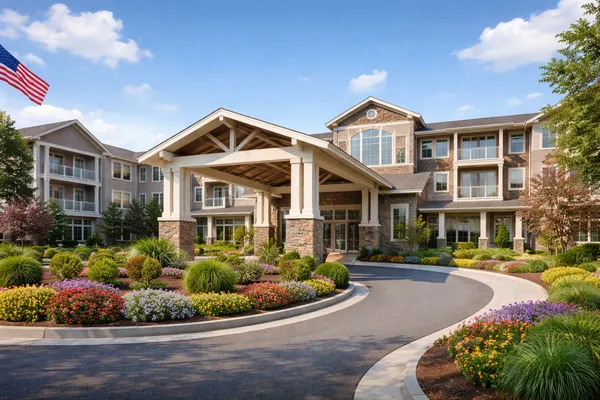
Queens, New York, is one of the most populous boroughs in New York City, with an estimated population of 2.3 million residents as of recent estimates. This diverse area spans 109 square miles, featuring a mix of urban and suburban vibes, from the bustling streets of Jackson Heights to the serene waterfronts of Rockaway Beach. Seniors are drawn to Queens for its rich cultural tapestry, including ethnic enclaves like Flushing's Chinatown and Astoria's Greek community, which offer familiar comforts and community events. The borough's accessibility via the New York City subway and buses, combined with numerous parks and green spaces, makes it an ideal spot for retirees seeking a balance of excitement and tranquility.
The senior living landscape in Queens boasts 42 communities, including well-known options like Angels in the Gardens Childcare and Bridge View Nursing Home, providing care types such as Assisted Living and Skilled Nursing. These facilities cater to various needs, with places like Boulevard ALP Assisted Living Community offering personalized support for daily activities. Healthcare infrastructure is robust, with proximity to major hospitals like NewYork-Presbyterian Queens and Elmhurst Hospital, ensuring easy access for medical care. This setup allows seniors to age in place with peace of mind, supported by a network of home care agencies like Caring Professionals Home Care Agency.
Queens offers a high quality of life for seniors, characterized by a moderate coastal climate with average annual temperatures around 55°F, making it comfortable for outdoor activities year-round. The cost of living is higher than the national average, with housing costs influencing senior expenses, but the cultural scene—featuring museums like the Queens Museum and restaurants in diverse neighborhoods—keeps life engaging. Natural surroundings, including Flushing Meadows-Corona Park and the Jamaica Bay Wildlife Refuge, provide walking paths and birdwatching opportunities that promote senior health and social interaction.
Cost of Senior Living in Queens
Senior living costs in New York are notably higher than national averages, with Assisted Living averaging $7,670 per month compared to the national $5,900, due to factors like Queens' urban location, premium amenities, and demand for quality care. Nursing Home care for a semi-private room costs around $12,060 monthly versus the national $9,277, while a private room reaches $13,840 against $10,646 nationally; these prices are influenced by room type, care level, and additional services such as specialized memory care or on-site therapies, which can add 10-20% to the base cost. Home Health Aide services in New York average $8,125 per month, exceeding the national $6,292, often varying by the frequency of visits and the provider's expertise in Queens. Adult Day Care is priced at about $2,600 monthly, above the national $2,100, and is affected by program inclusions like meals and transportation. In Queens specifically, pricing can fluctuate based on neighborhood desirability—such as higher costs in Astoria due to proximity to parks and hospitals—and amenities like fitness centers or cultural outings, making it essential for families to compare facilities like Beckford Family Type Home For Adults to find value-aligned options. These elevated costs reflect New York's comprehensive healthcare system but underscore the importance of financial planning, including long-term care insurance, to manage expenses effectively.
Neighborhoods in Queens for Seniors
Astoria
Astoria, in northwestern Queens, is a vibrant neighborhood known for its European flair and senior-friendly amenities. Seniors enjoy strolling through Astoria Park, which features walking paths along the East River and offers panoramic views of the Manhattan skyline, perfect for gentle exercise and social meetups. Nearby medical facilities include Mount Sinai Queens Hospital, specializing in geriatric care and emergency services, ensuring quick access for routine check-ups or unexpected health issues. For dining, seniors flock to places like Taverna Kyclades, a Greek restaurant with outdoor seating and senior-friendly menus featuring heart-healthy Mediterranean dishes, or the cozy Astoria Bier and Cheese for light lunches. The area scores high on walkability, with a Walk Score of 85, meaning most errands can be done on foot, and it's considered safe with a crime rate 20% lower than the Queens average. Transit access is excellent via the N and W subway lines and numerous bus routes, allowing easy trips to Manhattan without driving. Seniors particularly like Astoria for its tight-knit community, where events at the Greater Astoria Historical Society foster friendships, and the slower-paced lifestyle provides a sense of belonging amidst historic brownstones and cultural festivals.
Flushing
Flushing, in northeastern Queens, is a bustling yet accessible hub for seniors, celebrated for its Asian cultural influences and green spaces. Key attractions include Flushing Meadows-Corona Park, home to the Unisphere and extensive walking trails that are ideal for seniors seeking low-impact exercise and fresh air, with benches and shaded areas for rest. Medical facilities are plentiful, such as NewYork-Presbyterian Queens, which offers specialized services in cardiology and oncology, making it a go-to for older adults managing chronic conditions. Senior-friendly restaurants like Golden Palace, serving dim sum and traditional Chinese cuisine in a welcoming atmosphere, provide nutritious options that cater to dietary needs, while Joe’s Steam Rice Roll offers quick, affordable meals. Flushing boasts good walkability with a score of 75, allowing seniors to navigate local shops and services easily, and it's relatively safe with community policing initiatives reducing incidents by 15% in recent years. Public transit is robust, with the 7 subway line and several bus routes connecting to LaGuardia Airport and Manhattan, easing travel for family visits. Seniors appreciate Flushing for its vibrant senior centers, like the Flushing House, which host cultural events and ESL classes, creating a supportive environment that combats isolation and celebrates diversity.
Forest Hills
Forest Hills, in central Queens, offers a suburban feel with tree-lined streets and is particularly appealing to seniors for its peaceful residential vibe. The neighborhood features Forest Park, a 538-acre expanse with hiking trails, picnic areas, and the Forest Park Golf Course, providing gentle recreational options like birdwatching and short walks that promote physical and mental well-being. Healthcare is conveniently close, with Northwell Health's Lenox Hill Hospital nearby, specializing in orthopedics and rehabilitation, which is crucial for seniors recovering from falls or surgeries. Dining spots include the senior-favorite Austin's Steak & Ale House, known for its comfortable seating and menu items like senior portions of grilled fish, as well as cozy cafes like Forest Hills Station House for coffee and pastries. Walkability is strong at a score of 80, with flat streets and crosswalks making it easy for those with mobility aids, and safety is enhanced by a neighborhood watch program that keeps crime rates 25% below the borough average. Transit options are excellent, with the E, F, M, and R subway lines and local buses providing direct access to Manhattan and other parts of Queens. Seniors are drawn to Forest Hills for its quiet, community-oriented atmosphere, including events at the West Side Tennis Club and access to the Queens Library, which offers book clubs and lectures tailored to older adults, fostering intellectual engagement and social connections.
Senior Care Options in Queens
In Queens, New York, senior living options encompass a range of care types designed to meet the diverse needs of older adults, with 42 communities like Angels in the Gardens and Bridge View Nursing Home providing specialized services. Assisted Living is a popular choice, offering support for daily activities such as bathing and medication management, typically for seniors aged 75-85 who are independent but need occasional help; facilities like Boulevard ALP Assisted Living Community exemplify this with amenities like meal services and social activities. Skilled Nursing, on the other hand, caters to those with more intensive medical needs, such as post-hospital recovery or chronic conditions, often for residents over 80, as seen in places like Cypress Garden Center for Nursing and Rehabilitation, which provides 24/7 nursing care and physical therapy. Independent Living appeals to active seniors in their 70s who want maintenance-free living without daily assistance, allowing them to enjoy community events and hobbies. Memory Care focuses on individuals with Alzheimer's or dementia, usually in their mid-80s, offering secure environments and cognitive therapies, though specific communities in Queens like Chapin Home for the Aging incorporate these elements. Overall, these care types in Queens serve typical resident profiles by emphasizing safety, socialization, and health monitoring, with the 42 communities ensuring options for various budgets and preferences, from urban settings to more relaxed locales.
Healthcare & Transportation
Queens, New York, features a strong healthcare network, with key hospitals like NewYork-Presbyterian Queens specializing in cardiology and geriatric medicine, and Elmhurst Hospital known for its emergency and trauma services, both within easy reach of senior living communities such as Bridge View Nursing Home. Other notable facilities include Long Island Jewish Medical Center, which excels in cancer treatment and senior rehabilitation, and Mount Sinai Queens for outpatient care, ensuring seniors have access to specialists for conditions like arthritis or diabetes. For veterans, the VA NY Harbor Healthcare System has a facility in nearby Brooklyn, providing services like primary care and mental health support for eligible seniors in Queens. Senior transportation options are comprehensive, including the MTA's Access-A-Ride paratransit service for individuals with disabilities, offering door-to-door rides at reduced costs, and senior shuttles from organizations like the Queens Center for Independent Living. Public transit, such as the 7 subway line and Q44 bus, is senior-friendly with discounted fares for those over 65, while ride-sharing apps like Uber and Lyft provide on-demand services, often with accessibility features. New York State offers specific Medicaid waiver programs, including the MLTC (Managed Long Term Care) program, which helps seniors in Queens cover home care and assisted living costs, and the FIDA (Fully Integrated Dual Eligible) initiative for those dually eligible for Medicare and Medicaid, facilitating coordinated care and transportation assistance to reduce isolation.
Activities & Recreation Near Queens
Queens offers a wealth of activities tailored for seniors, starting with parks like Flushing Meadows-Corona Park, where walking trails and the Queens Botanical Garden provide serene spots for birdwatching and gentle exercise. Recreation centers such as the Bayside YMCA host senior fitness classes and swimming sessions, promoting health in a supportive environment. For cultural outings, the Queens Museum in Flushing features exhibits on local history, with free admission days and guided tours that encourage intellectual stimulation. Restaurants like Peter Pan Donut & Pastry Shop in Astoria serve as casual meetup spots for coffee and treats, while the Jackson Heights historic district boasts ethnic eateries for group lunches. Senior centers, including the Queensbridge Houses Senior Center, offer volunteer opportunities and social clubs, fostering connections through events like knitting workshops. Faith communities, such as the Greek Orthodox Cathedral of St. Nicholas in Astoria, provide spiritual gatherings and community meals, and libraries like the Central Library in Jamaica host book clubs and lectures on topics like local history, all designed for easy participation by those in their 70s and beyond.
Weather & Climate in Queens
Queens experiences a humid subtropical climate with average high temperatures of 85°F in summer and lows of 25°F in winter, annual precipitation around 44 inches, and high humidity that can exacerbate senior health issues like arthritis. Summers bring heat advisories, with temperatures often exceeding 90°F, making air-conditioned indoor activities advisable to prevent heat exhaustion, while winter's snow and ice increase fall risks on uneven sidewalks. Allergy seasons peak in spring with pollen from parks like Forest Park, affecting respiratory health, so seniors might opt for indoor alternatives. The best months for outdoor activity are September and October, with mild 70°F temperatures and lower humidity, ideal for walks in Flushing Meadows without the extreme conditions of July's heat or January's cold winds.
Frequently Asked Questions About Senior Living in Queens
What is the average cost of senior living in Queens, NY?
How many senior living communities are in Queens?
What hospitals are near senior living in Queens?
Does New York offer Medicaid waivers for senior living?
What is the climate like in Queens for seniors?
What are the best neighborhoods in Queens for seniors?
What VA benefits are available for seniors in Queens?
What are key demographics and attractions in Queens for seniors?
Find Senior Living in Queens, NY
Need help choosing the right community? Contact us for personalized guidance.
Get Help Today