
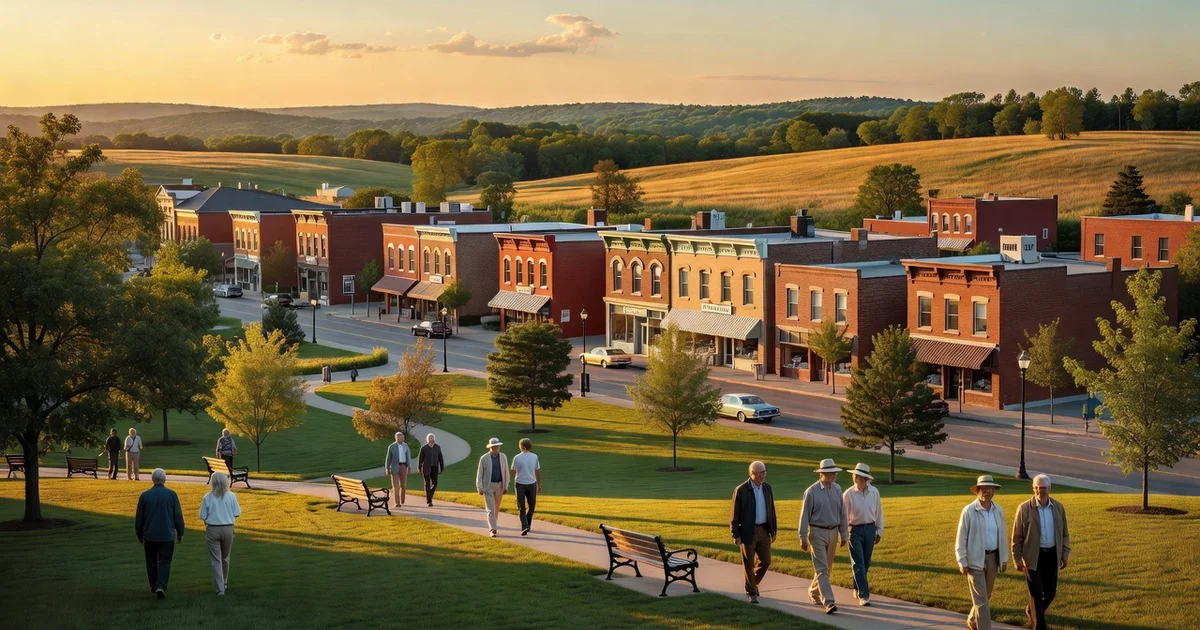
Finding the best senior living in Olney, IL requires careful consideration of care quality, costs, and community fit. This southeastern Illinois city of 8,864 residents has a senior population of 1,821 adults aged 65 and older—representing 20.5% of the total population—creating a mature, welcoming environment for older adults. With assisted living averaging $5,900 monthly in Olney compared to the national average of $4,995, families benefit from understanding their options before making this important decision.
Olney offers a small-town atmosphere with access to essential healthcare services, including Carle Richland Memorial Hospital just minutes from most residential areas. The city's tree-lined streets, historic downtown district, and proximity to the Olney City Park and Lake provide peaceful settings for senior communities. Whether you're seeking assisted living in Olney, IL, specialized memory care, or comprehensive nursing home services, this guide examines the key factors families should consider when choosing senior care in Richland County.
This comprehensive guide provides insights into senior living costs, care type comparisons, and practical advice for families navigating the decision-making process in the Olney area.
Carle Richland Memorial Hospital Skilled Nursing
Hospital-affiliated skilled nursing with direct access to medical specialists and rehabilitation services.
Located adjacent to Carle Richland Memorial Hospital on East Main Street, this skilled nursing facility offers the advantage of immediate access to hospital-level medical care. The community provides 24-hour nursing supervision, post-acute rehabilitation services, and long-term care options for residents requiring comprehensive medical support. Physical, occupational, and speech therapy services are available on-site, making this an excellent choice for seniors transitioning from hospital care or those with complex medical needs.
The facility's connection to Carle Health System ensures coordinated care with physicians, specialists, and diagnostic services. Residents benefit from the hospital's medical expertise while receiving personalized attention in a skilled nursing environment. The location on Olney's east side provides convenient access for family visitors from throughout Richland County and neighboring communities.
Residential Options Through Area Churches
Faith-based senior housing options providing independent living with community support.
Several churches in Olney have historically provided senior housing options that offer independent living arrangements with built-in community connections. These residential settings typically feature apartment-style living for seniors who remain largely independent but appreciate the security and social opportunities of a faith-connected community. While not providing medical care or assistance with daily living activities, these options serve active seniors seeking affordable housing with peer connections.
Located near downtown Olney and within walking distance of shops, restaurants, and services, church-affiliated housing often includes community meals, transportation assistance for medical appointments, and organized social activities. These settings work well for seniors transitioning from family homes who want to maintain independence while building new social networks. Pricing varies by specific program, with many offering income-based arrangements.
Home Health and Personal Care Services
In-home care allowing seniors to age in place with professional support.
For families preferring to keep loved ones in their own homes, Olney offers several home health agencies providing personal care, medication management, and companionship services. These services range from a few hours weekly to 24-hour live-in care, depending on individual needs. Home health aides can assist with bathing, dressing, meal preparation, light housekeeping, and transportation to medical appointments throughout Richland County.
In-home care in Olney typically costs less than facility-based assisted living for seniors requiring limited support, though costs increase with more intensive care needs. This option works particularly well for couples where one spouse needs care while the other remains independent, or for seniors with strong ties to their neighborhoods near areas like Bird Haven or the Olney City Park. Agencies serving the area coordinate with local physicians and Carle Richland Memorial Hospital for comprehensive care management.
Regional Memory Care Programs
Specialized dementia care in nearby communities with secured environments and trained staff.
While Olney itself has limited dedicated memory care facilities, families seeking memory care in Olney, IL often consider specialized programs in nearby regional centers within 30-45 minutes. These communities feature secured units designed specifically for residents with Alzheimer's disease and other forms of dementia, with staff trained in memory care techniques and behavioral management. Structured daily routines, memory-enhancing activities, and secure outdoor spaces help residents maintain dignity and quality of life.
Memory care communities typically include higher staffing ratios than standard assisted living, with care partners trained to redirect behaviors, assist with all activities of daily living, and provide 24-hour supervision. The secured environments prevent wandering while allowing freedom of movement within safe boundaries. Families from Olney benefit from touring multiple options to find the best fit for their loved one's specific stage of dementia and personality.
Assisted Living in Surrounding Communities
Full-service assisted living with dining, activities, and personal care support within regional driving distance.
Families researching assisted living in Olney, IL frequently expand their search to include communities in Effingham, Flora, and Mt. Vernon, located 30-50 minutes away. These larger towns offer multiple assisted living communities with comprehensive amenities including restaurant-style dining, housekeeping, medication management, and assistance with bathing, dressing, and mobility. Most communities offer both private apartments and semi-private options to accommodate different budgets.
Regional assisted living communities typically feature beauty salons, fitness centers, libraries, and organized activities ranging from exercise classes to arts and crafts. Transportation services help residents maintain medical appointments in Olney or at larger medical centers. While requiring more travel time for family visits, these communities often provide more extensive amenities and specialized care options than what's available directly in Olney. Monthly costs align with the area average of approximately $5,900 for assisted living services.
How to Choose
How to Choose the Best Senior Living in Olney, IL
Selecting senior care in Olney begins with an honest assessment of your loved one's current and anticipated needs. Consider whether they require help with activities of daily living like bathing, dressing, and medication management (assisted living), have memory impairment requiring specialized care (memory care), need skilled nursing for complex medical conditions, or remain largely independent but want community and security (independent living). Meeting with a physician or geriatric care manager can provide objective assessment of care needs.
Budget Planning for Senior Care Olney
Understanding costs is essential when exploring senior living options. In Olney, assisted living averages $5,900 monthly—about $905 more than the national average—while nursing home care in semi-private rooms averages $9,277 monthly. Review all income sources including Social Security, pensions, retirement savings, and potential long-term care insurance benefits. Veterans may qualify for Aid and Attendance benefits, and Medicaid covers nursing home care for eligible individuals. Create a realistic budget that accounts for care level increases over time, as needs typically increase with age.
Location and Accessibility Considerations
In a community the size of Olney, proximity to family, healthcare providers, and familiar places matters significantly. Consider distance from family members who'll visit regularly, access to Carle Richland Memorial Hospital and local physicians, and whether the location allows your loved one to maintain connections with their church, favorite restaurants, or longtime friends. For families considering communities outside Olney proper, factor in travel time and winter driving conditions when visiting. The best senior living in Olney, IL balances quality care with practical accessibility for both residents and their families.
Questions to Ask During Community Tours
When touring senior living options, ask about staff-to-resident ratios, staff training and turnover rates, and how the community handles medical emergencies. Request information about monthly costs and what services are included versus charged separately. Ask to see the activities calendar, sample menus, and resident rooms. Most importantly, observe how staff interact with current residents—respectful, patient interactions indicate quality care culture. Request references from current families and check licensing records through the Illinois Department of Public Health.
Cost Comparison
Senior Living Costs in Olney, IL: What to Expect in 2026
Understanding the financial commitment of senior care helps families plan effectively. Olney's senior living costs reflect its small-town setting with limited local options, resulting in prices slightly above national averages for some care types:
- Assisted Living in Olney: Approximately $5,900/month compared to the national average of $4,995/month. This $905 monthly premium reflects limited local supply and the costs of operating smaller facilities in rural areas.
- Nursing Home Care (Semi-Private): Approximately $9,277/month in the Olney area. Private rooms typically cost 20-30% more. These rates are comparable to state averages for rural Illinois communities.
- Home Care Services: Typically $20-$35/hour depending on care level and agency. For seniors needing limited assistance, home care may cost less than facility-based care, though 24-hour home care exceeds assisted living costs.
- Memory Care: Specialized dementia care in regional communities typically ranges from $6,500-$8,500/month, reflecting the higher staffing ratios and specialized programming required.
These costs represent estimates for 2026 and vary based on specific care needs, room type, and community amenities. Most communities offer several payment options, and financial assistance may be available through veterans benefits, long-term care insurance, or Medicaid for eligible individuals. When comparing costs, ensure you understand what services are included in base rates versus charged separately—medication management, incontinence care, and specialized therapies often carry additional fees.
Frequently Asked Questions
What is the average cost of assisted living in Olney, IL in 2026?
Are there memory care facilities in Olney, IL?
How do I know when my parent needs assisted living versus independent living?
What should I look for when touring senior living communities near Olney?
Does Medicare or Medicaid cover senior living costs in Olney?
Choosing the best senior living in Olney, IL requires balancing care quality, costs, location, and family priorities. While Olney's smaller size means fewer facilities directly within city limits, families benefit from the community's close-knit atmosphere, proximity to Carle Richland Memorial Hospital, and the option to explore quality regional communities nearby. Whether you're seeking assisted living, memory care, skilled nursing, or in-home support, starting your research early and touring multiple options helps ensure the best fit for your loved one's needs and preferences.
Ultimate Senior Resource provides comprehensive listings and guidance to help families navigate these important decisions. Take time to assess care needs honestly, understand financial options, and involve your loved one in the decision-making process whenever possible. The right senior living choice supports not just safety and care, but continued engagement, dignity, and quality of life for your family member.